







Introduction:When you walk into a coffee shop and face similarly dark liquids, can you tell which cup is an espresso, which is an Americano, and under what circumstances they are categorized as black coffee? This article will start with the principles of extraction to help you understand the definitions and differences among these three common types of coffee. Using the actual “Warm Sun” espresso blend as an example, we’ll provide detailed extraction parameters and dilution suggestions to help you find your perfect cup whether you’re brewing at home or ordering in a café.
Stepping into a coffee shop, you watch the barista skillfully fill a portafilter with freshly ground coffee, securely lock it into the machine, and press the extraction button. Soon, a stream of deep brown liquid slowly drips down. Though they all come from the same machine and appear as black coffee, they go by different names—some are called espresso, others Americano, and sometimes they’re all referred to as black coffee. Behind these names lie different extraction methods, concentration settings, and flavor adjustment logics. This article will begin with the origins of espresso, step-by-step analyzing how it evolved into the foundation of modern cafés, then explore the historical background of the Americano, and in the context of contemporary specialty coffee, discuss how the ratio of espresso to water ultimately shapes the final presentation of a black coffee.
In addition, we’ll use a real in-store espresso blend—“Warm Sun”—as an example. This blend combines the fruity notes of Ethiopia’s Natural Red Cherry with the rich profile of Honduras’ Sherry Cask. We’ll detail its extraction parameters and Americano preparation method so that whether you’re ordering in-store or brewing at home, you can more precisely capture the coffee flavors you love.

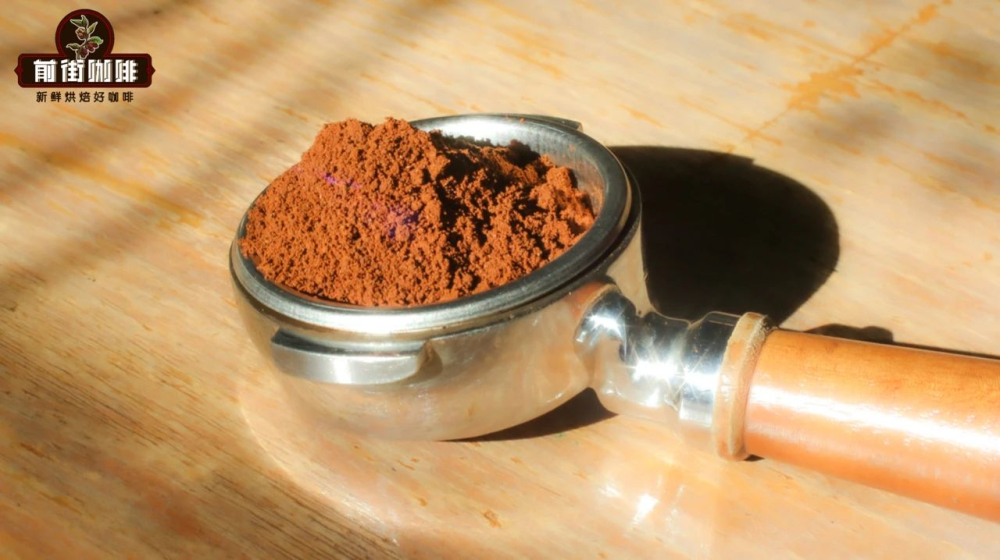
Customers often ask in cafés: “I want to try espresso coffee, but what’s the difference between espresso and Americano?” In fact, the difference between the two isn’t just in the name—it spans the entire experience including extraction pressure, time, amount of coffee grounds, and the overall presentation of the final liquid. Let’s first talk about what espresso is. The origin of this beverage can be traced back to Italy’s industrial era. At that time, life was speeding up, and many busy office workers wanted a quick energy boost during short breaks. Traditional brewing methods took too long, so cafés began using pressurized extraction—forcing hot water through a tightly packed bed of coffee grounds under high pressure to produce a small cup of highly concentrated coffee. Typically, this espresso shot is around 30 milliliters, extracted using about 9 bars of pressure and 92°C water temperature, with 20 grams of coffee grounds yielding approximately 40 grams of espresso in 25 to 30 seconds.
In the early days, since the roasting and flavor profiles of coffee beans weren’t as refined as they are today, darker roasts with intense flavors were commonly used. This high-concentration, high-caffeine drink could effectively invigorate in a short time, becoming an “energy station” for laborers and office workers. But with the rise of specialty coffee, today’s espresso is no longer just about stimulation—it emphasizes flavor complexity and balance. A good espresso should be rich yet not bitter, with a wealth of aromas and a lingering finish, rather than being merely harshly strong.
Take the “Warm Sun” espresso blend as an example. This blend combines the fruity brightness of Ethiopia’s Natural Red Cherry with the round richness of Honduras’ Sherry Cask. Extracted at 9 bars and 92°C using 20 grams of coffee grounds within 25 to 30 seconds to yield 40 grams of espresso, it showcases whiskey-like alcohol notes, the sweet-tartness of strawberries, the smooth texture of vanilla cream, and the lingering finish of hazelnuts and chocolate. However, such intense flavors might feel a bit overwhelming for first-timers or those unaccustomed to strong tastes, which is why many choose to dilute it with hot water—giving rise to another common coffee form: the Americano.
Speaking of the origin of the Americano, there’s an interesting story. Legend has it that when American soldiers were stationed in Italy, most found the local espresso too intense for their taste and asked baristas to add water to dilute it. Unexpectedly, this not only reduced the strength but also preserved the coffee’s richness and aroma while significantly cutting down wait time. When the soldiers returned to the U.S., they brought this brewing method and the machines back home, referring to this water-diluted espresso as “Americano,” which gradually became the most common form of black coffee in everyday American life.
With the spread of specialty coffee concepts, today’s Americano is no longer just “diluted espresso.” It places greater emphasis on showcasing flavor layers. Generally, the traditional espresso-to-water ratio for an Americano is 1:8, suitable for most espresso blends. However, if you’re using an espresso with brighter fruitiness or more pronounced acidity, it’s recommended to adjust the ratio according to the actual flavor profile to better highlight its delicate characteristics.
Taking the “Warm Sun” espresso blend as an example, to fully express its whiskey-like aroma and gentle berry acidity, a dilution ratio of 1:4 to 1:5 is recommended. However, in practice, directly extracting 20 grams of coffee to 40 grams of espresso and then diluting it may cause some flavors to become overly prominent or even result in unpleasant bitterness. Therefore, some professionals adjust the extraction strategy slightly—controlling the output of 20 grams of coffee to 35 grams to avoid over-extracting undesirable compounds in the later stages, then diluting it at a 1:4.5 ratio with water. This results in an Americano that expresses the whiskey aroma, berry acidity, and the rounded finish of vanilla and hazelnut-chocolate, achieving a more balanced and smooth overall taste.
In summary, from espresso to Americano, and then to the broader definition of black coffee, these names reflect not just what you’re drinking, but different extraction logics, flavor orientations, and consumer needs. Whether you’re a beginner in the coffee world or a seasoned home brewer familiar with various extraction parameters, understanding these basic differences can help you make choices that better suit your taste—whether you’re ordering at a café or brewing at home.
The above content is compiled by CoffeeHunters, a coffee news website.


