







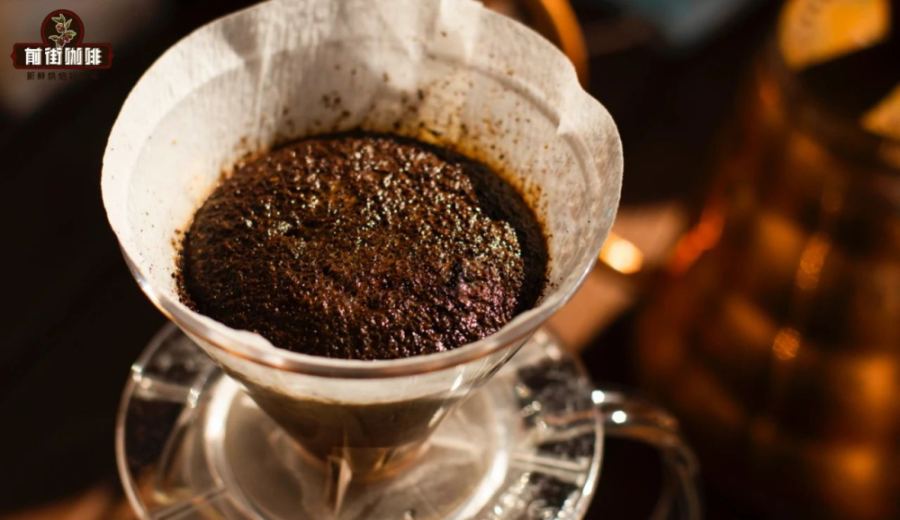
Introduction:Mandheling coffee is renowned for its low acidity, full body, and richly layered flavors, making it one of the representative dark roast coffees beloved by coffee enthusiasts worldwide. This article provides an in-depth analysis of the characteristics of Mandheling from Indonesia’s Sumatra region, introduces its classic flavor profiles, and offers precise brewing parameters and detailed step-by-step guides for four common brewing methods—pour over, French press, AeroPress, and siphon—to help you consistently brew sweet, clean, and distinctly flavorful Mandheling at home.
With its bold, rich flavors and low, solid acidity, Mandheling holds a prominent place among dark roast coffees. Compared to the high-acid, bright styles popular in recent years, Mandheling presents a steady, layered mouthfeel, ideal for those who enjoy a robust coffee texture. These coffees are mostly grown in Indonesia’s Sumatra region, particularly around Lake Toba in the districts of Lintong and Gayo Mountains in Aceh. The unique microclimates and volcanic soils of these regions endow Mandheling with distinctive notes of spices, nuts, and dark chocolate.
Among them, two Mandheling coffees from premium Sumatran growing regions showcase different aromatic characteristics: one carries natural notes of toasted bread, nuts, caramel, pine, and herbs, while the other exudes a complex interplay of spices, dark chocolate, nuts, and botanicals. To balance its rich body with overall harmony, such Mandhelings are typically roasted just before the start of the second crack, maintaining a “medium-dark” roast level to achieve the optimal flavor equilibrium.
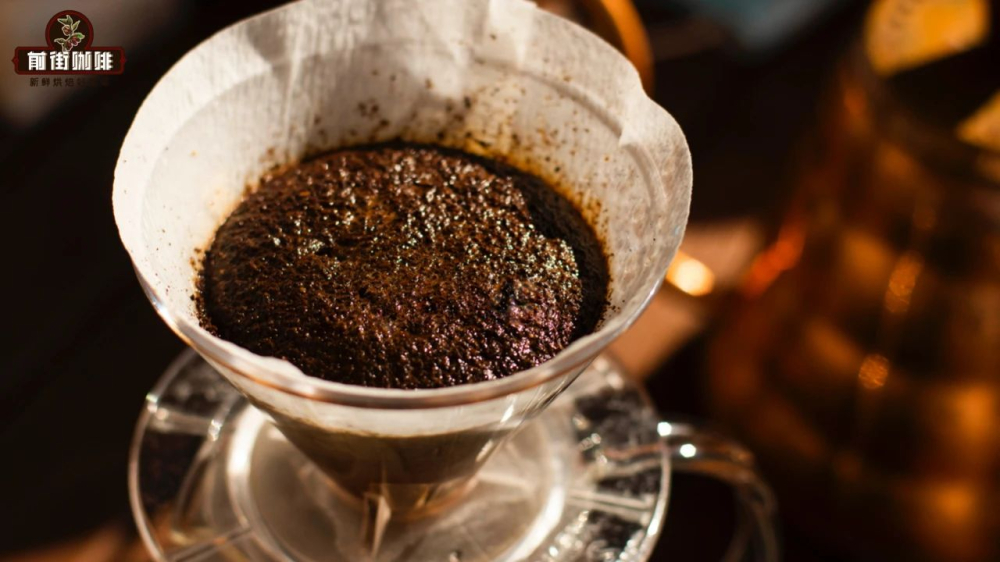
Medium-dark roasted Mandheling beans have a relatively loose structure, which facilitates the release of abundant internal substances. Regardless of the brewing method chosen, it is recommended to use a coarser grind to avoid over-extraction that can lead to bitterness, while preserving a clean and refreshing finish. Additionally, for the best flavor performance, it is advised to use freshly roasted beans within five days of roasting to capture the most vibrant aromas and layers.
Next, we will provide specific brewing parameters and operation tips tailored for Mandheling coffee using four common home brewing devices—pour over kettle, French press, AeroPress, and siphon—to help you easily master the essence of each method.
Pour Over Mandheling Coffee Parameter Recommendations
It is recommended to use a KONO short-ribbed filter cone, with the following settings: water temperature at 88°C, grind size at medium-coarse (approximately 70% extraction through a standard #20 sieve), coffee dosage at 15 grams, and coffee-to-water ratio at 1:15. For the brewing process, you can adopt the classic “pulse pouring method”: first pour hot water equal to twice the weight of the coffee grounds (about 30 grams) to bloom for 30 seconds, allowing the coffee grounds to fully expand; then pour water in a thin stream in small circles from the center outward up to 125 grams, pausing briefly; continue circling to reach 225 grams total, with the entire extraction time controlled around 2 minutes to achieve a balanced and sweet flavor profile.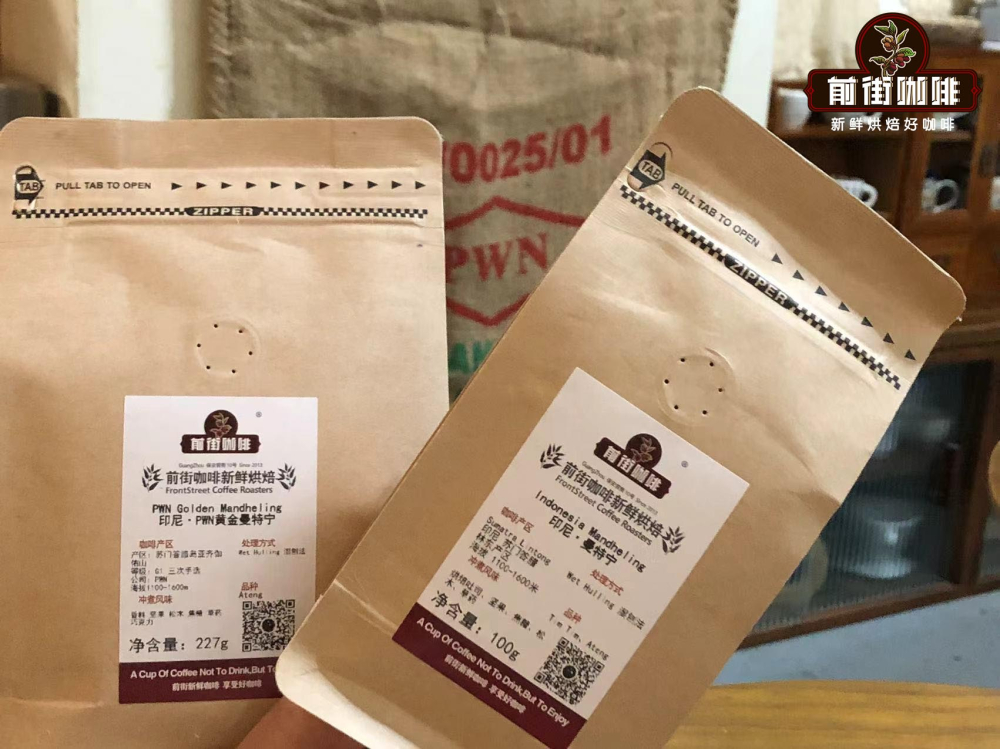
French Press Mandheling Brewing Parameters
When using a French press, it is recommended to use a coarse grind (approximately 60% extraction through a standard #20 sieve), with water temperature maintained at 88°C, coffee dosage at 15 grams, and coffee-to-water ratio at 1:15. Place the coffee grounds into the press, add 225 milliliters of hot water, and it is suggested to pour quickly with a relatively high water flow to encourage even agitation of the grounds and improve extraction efficiency. After pouring, gently place the lid on without pressing down, and let it steep for about 4 minutes. Then slowly and steadily press down the filter, avoiding excessive pressure that may cause fine particles to mix in and affect the mouthfeel.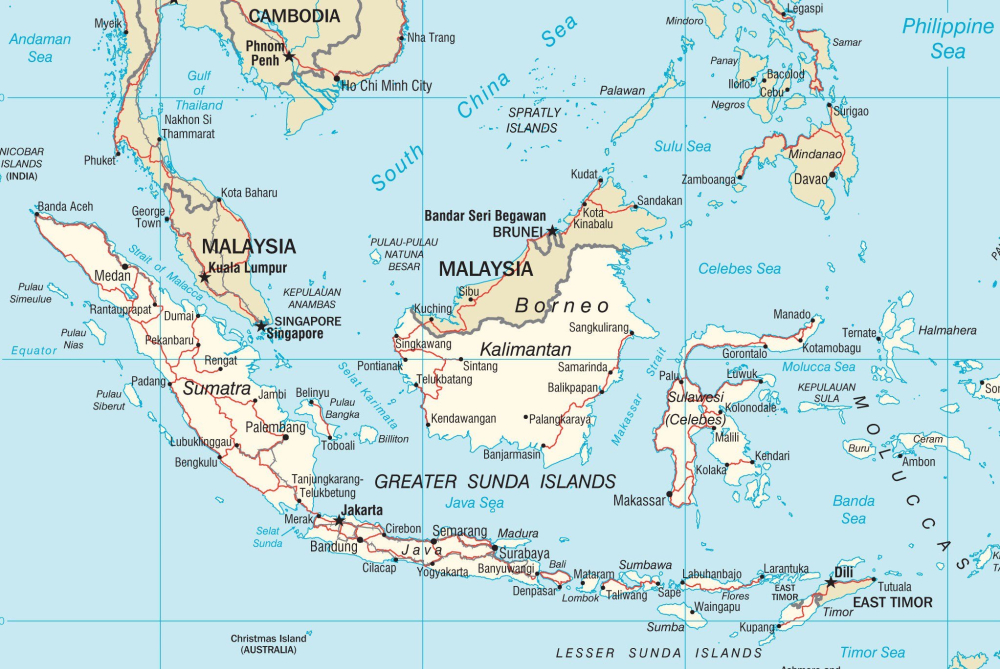
AeroPress Operation Settings and Techniques
The AeroPress is suitable for users who prefer a stronger, bolder flavor profile. It is recommended to use a medium grind (approximately 75% extraction through a standard #20 sieve), with water temperature at 85°C, coffee dosage at 20 grams, and coffee-to-water ratio at 1:17. First pour 100 grams of hot water, gently stir 3 to 5 times to evenly wet the coffee grounds, and let it sit for 20 seconds; then add the remaining water up to 240 grams, let it sit for 40 seconds and gently stir for 5 seconds. When the total time reaches 1 minute and 50 seconds, insert the filter cap and slowly press down, with the total extraction time approximately 2 minutes and 5 seconds, to achieve a balanced Mandheling with layered complexity.
Siphon Brewing Recommendations for Mandheling
The siphon can highlight the rich aroma and full body of Mandheling. It is recommended to use a medium-coarse grind (approximately 60% extraction through a standard #20 sieve), with coffee dosage at 18 grams, and coffee-to-water ratio at 1:10. Heat the lower chamber until the water temperature reaches about 90°C, then assemble the upper chamber and wait for the water to fully rise. When the upper chamber water temperature hits 90°C, quickly pour in the coffee grounds and stir in a crisscross pattern about 4 times to ensure the coffee grounds and water are thoroughly mixed. Let it sit for about 1 minute, then remove the heat source and wipe the outer wall of the lower chamber with a dry cloth to accelerate cooling, prompting the coffee liquid to draw back down. The whole process takes about 1 minute and 20 seconds, extracting a focused and clean Mandheling coffee.
The above content is compiled by CoffeeHunters, a coffee news website.


