







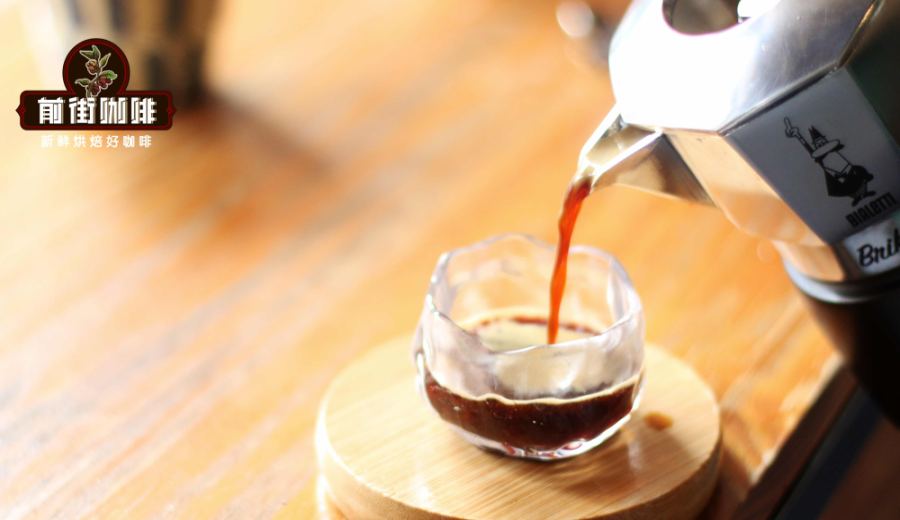
Introduction:The moka pot is the go-to choice for many coffee enthusiasts making their first foray into espresso-style flavors, but its operational learning curve and common issues often deter beginners. This article delves into the workings of the moka pot—from its historical background to the impact of its dual-valve design—and provides practical steps for stable extraction, addressing common challenges such as no flow, over-extraction bitterness, and splattering, helping you unlock the full flavor potential of the moka pot.
The moka pot, a classic in design and intuitive in use, has become a favorite among many home coffee lovers for its rich and bold extraction. However, many users encounter issues such as sluggish extraction, no flow, or even splattering and over-extracted bitterness during their first tries. This article not only explores the origins and design principles of the moka pot but also breaks down how its dual-valve structure enhances pressure and extraction efficiency. With practical examples, it guides you from basic setup to flavor adjustment, giving you a comprehensive grasp of the secrets to stable extraction.
In the global coffee culture, the espresso and pour-over schools each have their strengths—the former known for its bold and heavy profile, the latter emphasizing flavor layering and clarity. Though the moka pot is an espresso-style brewing tool, its lower barrier to entry and affordability allow you to replicate a near-espresso experience at home, making it an excellent choice for exploring coffee diversity. Its classic design not only offers practical value but often becomes part of home décor.

When it comes to the history of the moka pot, one must mention Italian designer Alfonso Bialetti. He invented this revolutionary coffee maker in 1933, originally to enable everyday households to easily brew a strong coffee flavor similar to espresso. Despite the word "mocha" in its name, the moka pot has no direct connection to Yemen’s Mocha port or Mocha coffee beans—a common misconception. The moka pot is widely loved in Europe, Central and South America, not just as a household tool but also as a gift, carrying deep emotional ties to coffee culture.
Structurally, the moka pot mainly consists of three parts: the bottom chamber, the filter basket, and the top chamber. To use it, start by pouring hot water into the bottom chamber, keeping the water level below the pressure relief valve—generally recommended to be 50 to 60 milliliters—then add finely ground coffee (about 10 to 20 grams), resembling table salt in coarseness, into the middle filter basket and level it gently. After assembling the filter basket with the top and bottom chambers, heat it using a gas flame or induction stove. The water in the bottom chamber heats up, generating steam pressure that pushes the water through the coffee grounds, extracting a coffee liquid rich in crema and aroma.
Later dual-valve designs, such as the well-known Brikka model, further increase internal pressure through an additional weighted valve, reportedly enhancing extraction yield and aroma expression. However, this pressurized method, when used with overly dark-roasted beans, can easily lead to over-extraction, resulting in excessively bitter and harsh flavors—an important consideration during use.

For moka pot brewing, it’s recommended to use medium to dark roasted coffee beans, such as blends with chocolate and nutty notes, which not only highlight bold flavors but are also less prone to unpleasant tastes under high-pressure extraction. If you want to try single-origin beans, opt for those with distinct yet balanced profiles, such as those with creamy peanut or spicy notes. It’s worth noting that moka pot extraction results are significantly influenced by grind size, coffee bed tamping, and heat control.
Common issues include "no flow," often caused by a clogged spout due to over-tamping or overly fine grind; in such cases, immediately turn off the heat to prevent excessive internal pressure buildup. Another frequent problem is splattering from the top chamber, usually related to uneven coffee distribution, insufficient coffee amount, or too coarse a grind. When water cannot evenly pass through the coffee bed under pressure, it tends to surge directly into the top chamber, compromising extraction quality and safety.
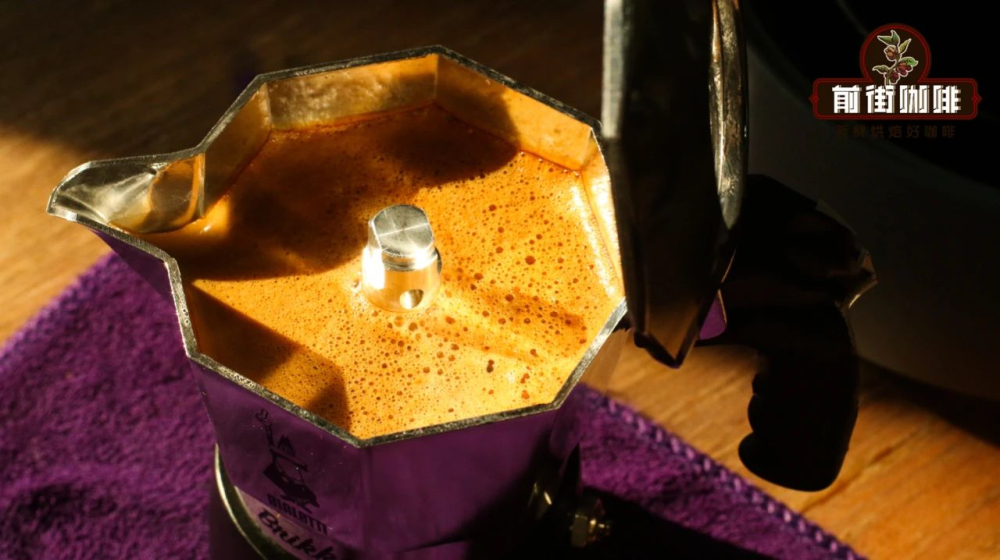
In practice, when you see the coffee liquid flowing steadily and hear a slight hissing sound, it’s usually a sign that extraction is nearing completion. It’s advised to remove the heat source immediately at this point to avoid over-extraction. The total extraction time is generally kept within 25 to 30 seconds ; going too long or too short will noticeably affect flavor.
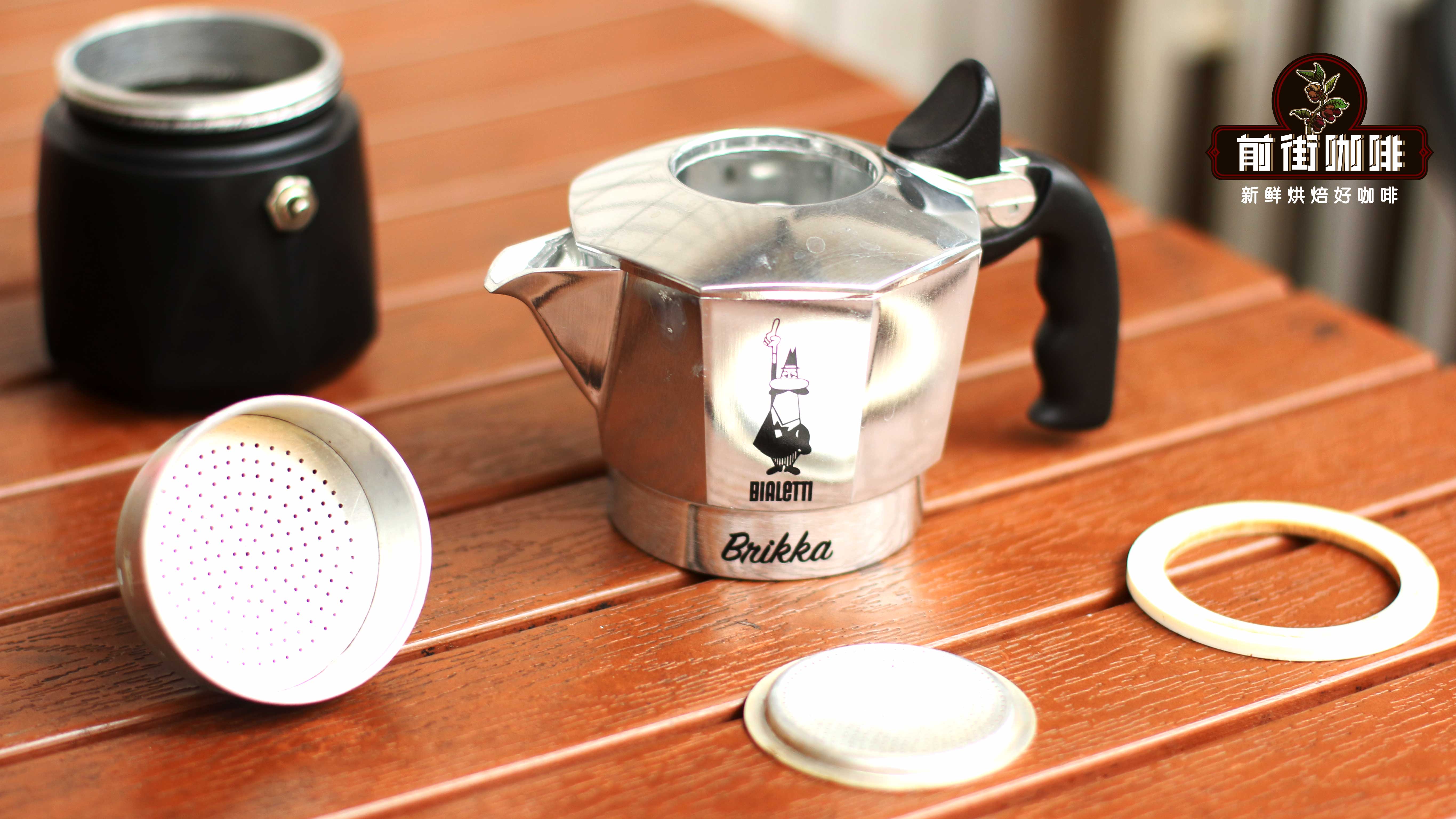
Maintenance and cleaning are also key to stable extraction. After each use, it’s recommended to immediately clean all parts of the moka pot, especially the filter basket, filter plate, and gasket, to prevent coffee residue buildup that can cause odors or blockages. Pay special attention to the area around the filter plate and the spout channel—accumulated old coffee oils in these spots can not only slow down the next use’s flow rate but also alter extraction flavor.
Additionally, be cautious of high temperatures when operating the moka pot. The pot body gets extremely hot during heating, so it’s advisable to use a damp cloth to assist in moving it to avoid burns. If you’re using a gas flame, remember not to use overly high heat—steady medium heat typically provides the ideal extraction pressure and temperature control.
In summary, the moka pot is a classic and practical coffee brewing tool. By mastering the right grind size, coffee-to-water ratio, and heating techniques, you can easily enjoy a rich, textured coffee experience at home. Whether you’re a beginner just starting out or a seasoned enthusiast looking for new thrills, the moka pot can open a door to the bold flavors of espresso for you.
The above content is compiled by CoffeeHunters, a coffee news website.


