







Introduction:From pour over to espresso, different home brewing devices can bring out vastly different flavor profiles. This article explains the operating logic, optimal extraction parameters, and best-use scenarios for 8 common devices, helping you choose the right tool based on your taste preferences and budget. It also includes practical details such as the blooming technique for moka pots and the difference between forward and reverse pressing with the AeroPress, and explains why light-roast beans are not suitable for high-pressure extraction—helping you brew professional-level coffee with ease.
Brewing coffee at home is far less daunting than it seems—the key lies in choosing the right tools and understanding the basic principles. Common household devices like pour over kettles, AeroPresses, and moka pots each follow unique extraction logics and deliver distinct flavor profiles, ranging from bright citrus notes to the chocolatey finish of dark-roast pour overs. Mastering the core techniques allows you to consistently recreate your favorite brews.
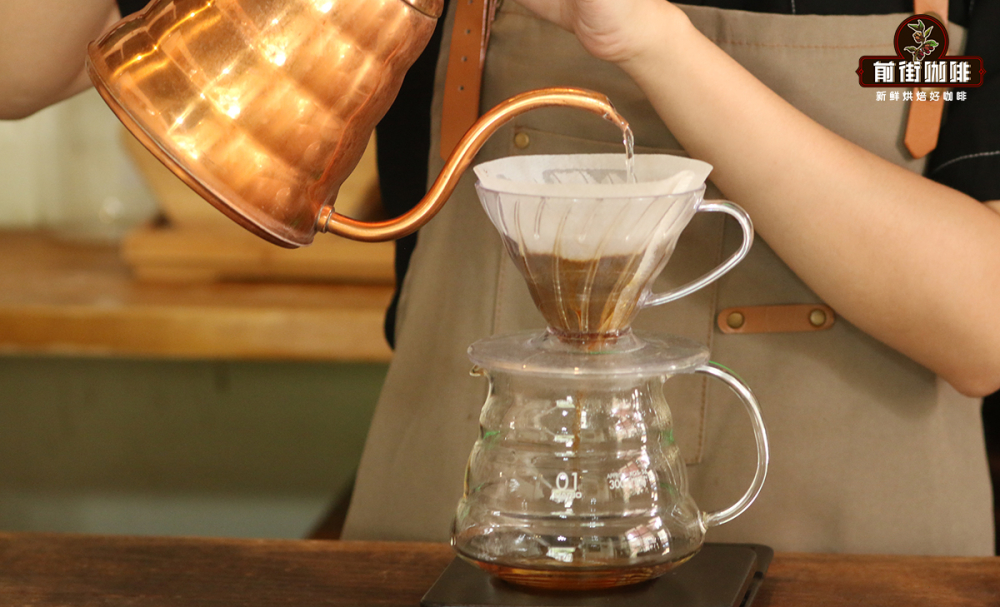
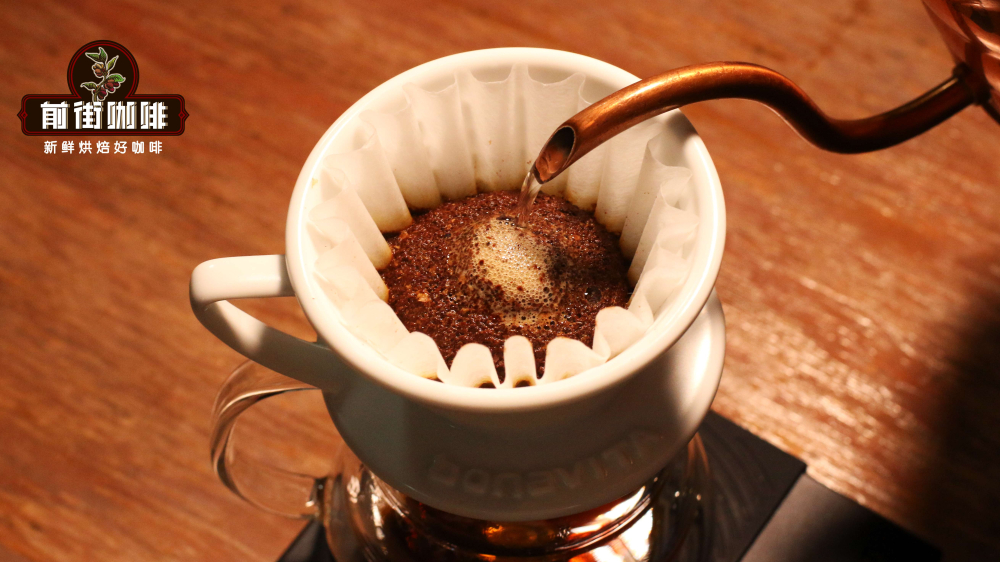
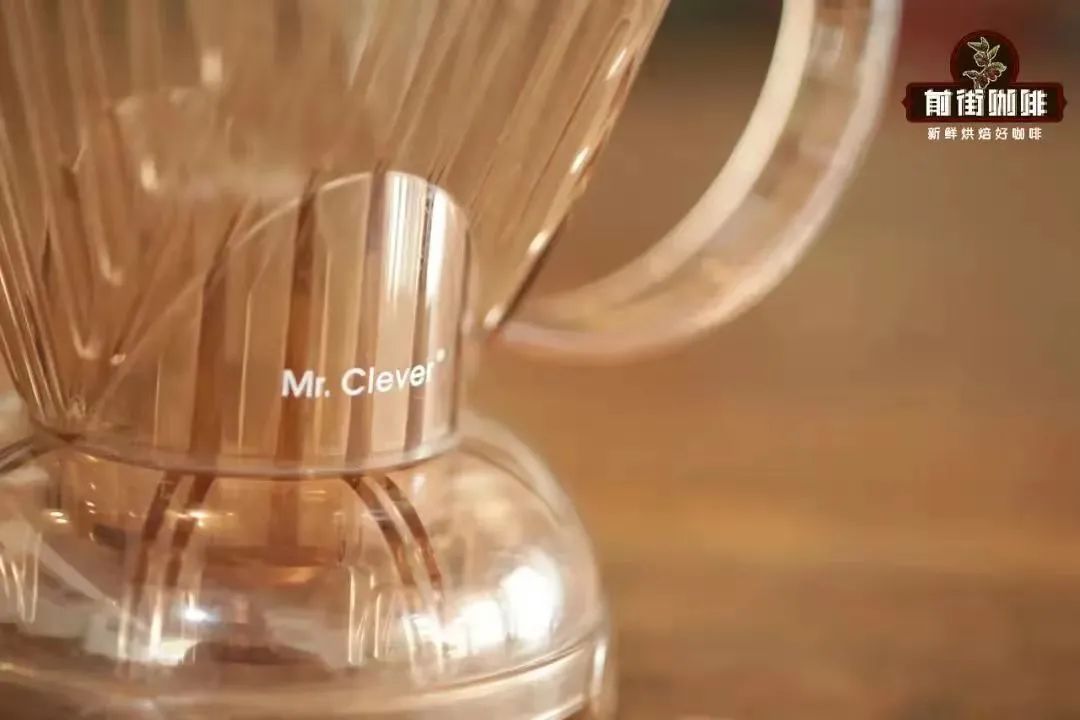
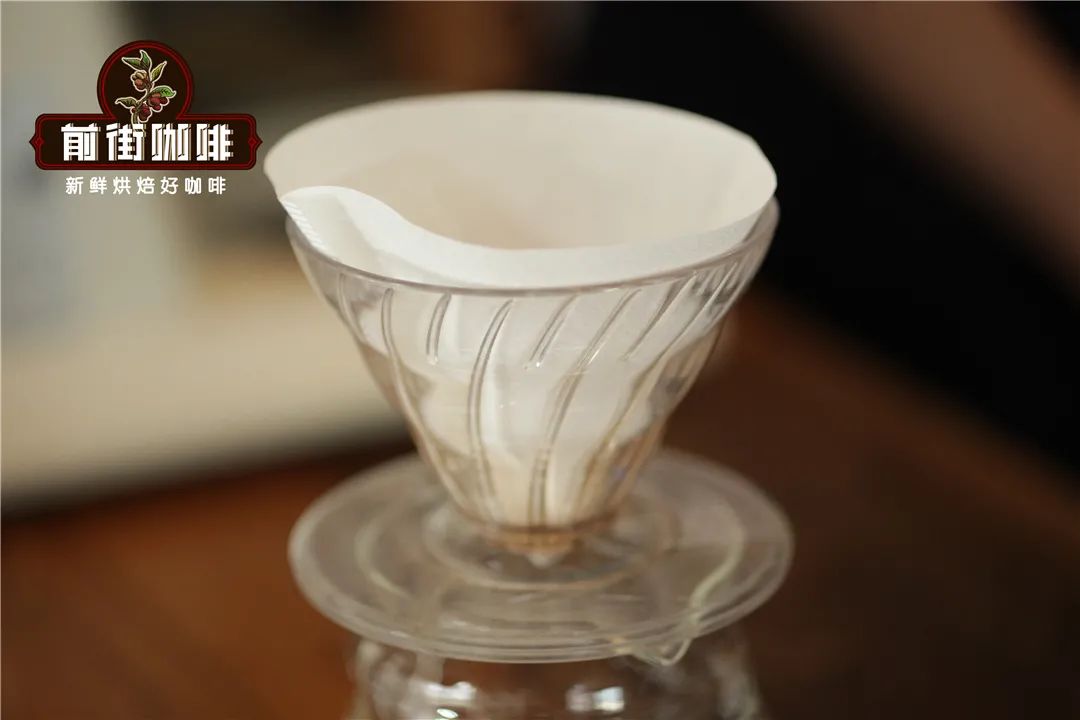
Pour OverIdeal for coffee enthusiasts who pursue refined flavors. Whether to pre-wet the filter paper depends on personal preference. During the pouring phase, it’s recommended to start by pouring a small amount of hot water to bloom for 30 seconds—this step activates the coffee grounds and releases aroma. Subsequent pouring doesn’t strictly need to follow a circular pattern, but the water flow should remain steady. Some users gently stir the coffee grounds at the bottom during the later stages of immersion to improve overall extraction evenness. The final extraction is controlled by adjusting the flow rate through the filter’s valve.
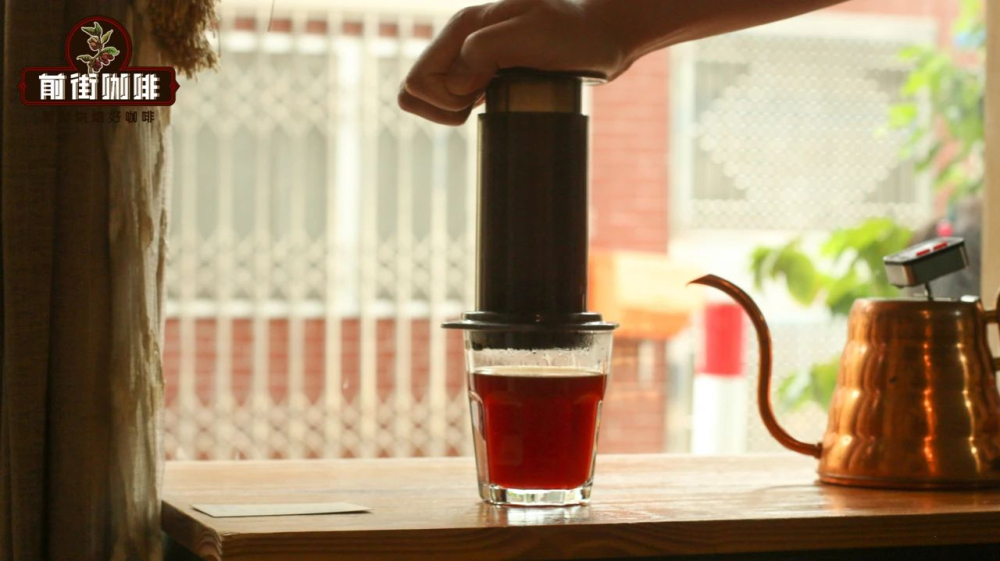
AeroPressIs an efficient and versatile choice, with its unique design allowing you to alter flavor profiles through forward or reverse pressure modes.Note that reverse pressing helps prevent coffee from dripping prematurely,preserving more delicate flavors. Temperature control is crucial—use82-86°Cmedium to low water temperatures. Too high can cause excessive tannin release, leading to bitterness, while too low may result in under-extraction. This device has no fixed standard parameters; it’s recommended to start with a 1:15 coffee-to-water ratio and a total brewing time of around 2 minutes.
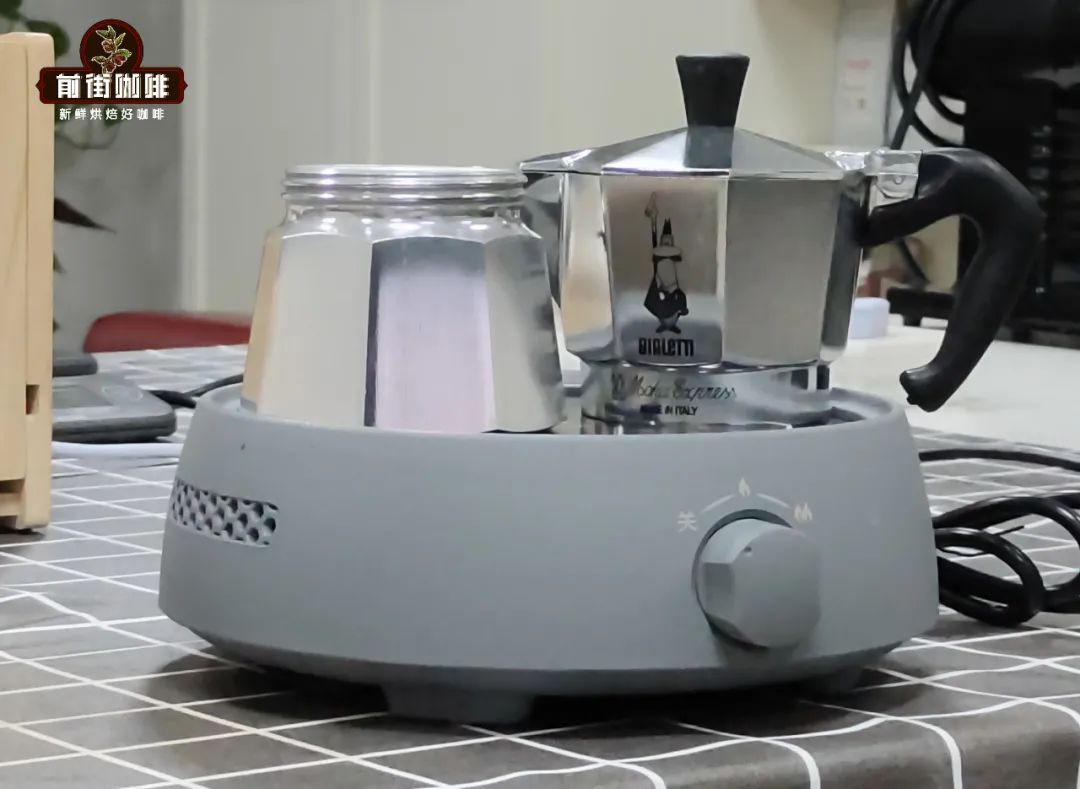
Moka PotIs designed for lovers of concentrated flavors. The finely ground coffee in the metal filter needs to be tightly packed. Use a medium-low heat source during heating—when you hear a distinct gurgling sound, it means the pressure has built up, so remove it from the heat immediately to avoid over-extraction. It’s recommended to use medium-dark to dark roast beans.Be sure the water level in the lower chamber of the moka pot does not exceed the safety valve,to avoid the risk of high-pressure steam leakage.
French PressIs the simplest method for full-immersion brewing. Coarse-ground coffee is in direct contact with hot water for 4 minutes, after which the plunger is slowly pressed down to separate the grounds. This method fully retains coffee oils, resulting in a rich and bold taste, making it ideal for quickly preparing large quantities in the morning. If you prefer a cleaner acidity, reduce the steeping time to 3 minutes.
ChemexWith its distinctive hourglass shape and thick filter paper, it produces exceptionally clean coffee, especially suitable for brewing African beans with bright fruity acidity. It’s recommended to use medium grind and a 1:16 coffee-to-water ratio, and to pre-wet the filter paper with hot water to eliminate any paper taste.
Fully automatic espresso machines integrate grinding, tamping, and extraction processes, making them ideal for users who prioritize convenience. However, their complex structures require regular cleaning to remove coffee residue buildup in the brew head.Semi-automatic machines require manual operation for dosing and tamping,but allow for more precise control over extraction variables—professional baristas generally recommend this type of machine. Regardless of the machine type, always use professional-grade espresso blends, as light-roast beans tend to release excessive acidity and off-flavors under high pressure.
Drip filter Americano machines operate using constant pressure heating and can complete brewing in 5–8 minutes. While they don’t extract coffee oils, they’re suitable for daily high-volume consumption. It’s recommended to choose models with a keep-warm function and clean the filter weekly to prevent residue from affecting flavor.
Capsule Coffee MachinesOffer the most convenient solution for espresso, but system compatibility can be an issue. Patented capsules from different brands are not interchangeable, and the cost per capsule is around 3–9 yuan, leading to higher long-term expenses. When purchasing, consider the variety of available capsules and the machine’s maintenance convenience.
No matter which device you choose, stable water quality and appropriate grind size are key to success. Use filtered water and grind beans fresh with a grinder, adjusting the grind coarseness based on the device—pour over works best with medium-fine grind (like white sugar granules), while espresso requires an extremely fine grind (close to flour texture). Once you’ve mastered these basics, you can brew your own unique specialty coffee using the tools you already have at home.
The above content is compiled by CoffeeHunters, a coffee news website.


