







Introduction:Golden Mandheling is one of the most representative specialty coffees from the Sumatra region, renowned for its rich spicy notes, pronounced caramel sweetness, and low acidity. This article delves into the differences between Golden Mandheling and regular Mandheling, explains the critical impact of the wet-hulled processing method on its flavor profile, and details the G1-grade selection criteria ideal for pour over brewing. It also provides practical brewing parameter recommendations—including water temperature, grind size, brew ratio, filter choice, and a three-stage pouring method—to help readers consistently produce a clean, balanced, and layered Golden Mandheling cup.
Golden Mandheling comes from Sumatra, Indonesia, and is a highly esteemed specialty-grade Arabica coffee in the region, known for its unique herbal aroma, intense caramel sweetness, and smooth spicy layers. This coffee not only features low acidity but also showcases a complex, full-bodied flavor with wild, earthy notes—making it a classic choice for many coffee enthusiasts trying pour over for the first time.
To fully appreciate the aroma and taste of Golden Mandheling, understanding how it differs from regular Mandheling is essential. The term “Mandheling” generally refers to Arabica coffee grown in northern Sumatra, particularly around Lake Toba and Lake Towuti, mainly from the two major producing regions of Lintong and Aceh. These beans belong to a relatively rare and high-quality variety in the area.
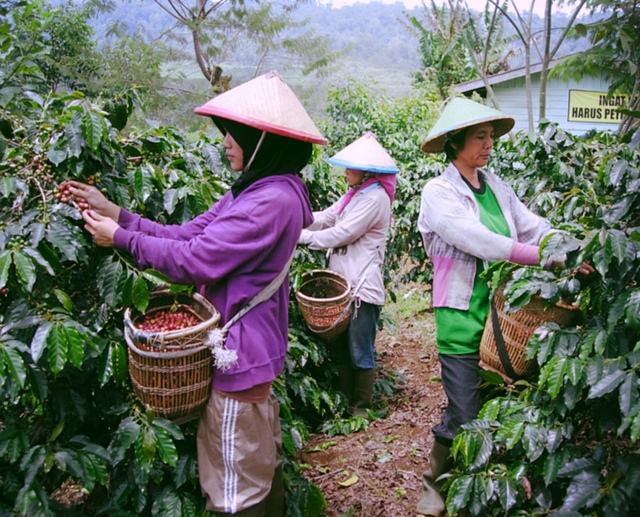
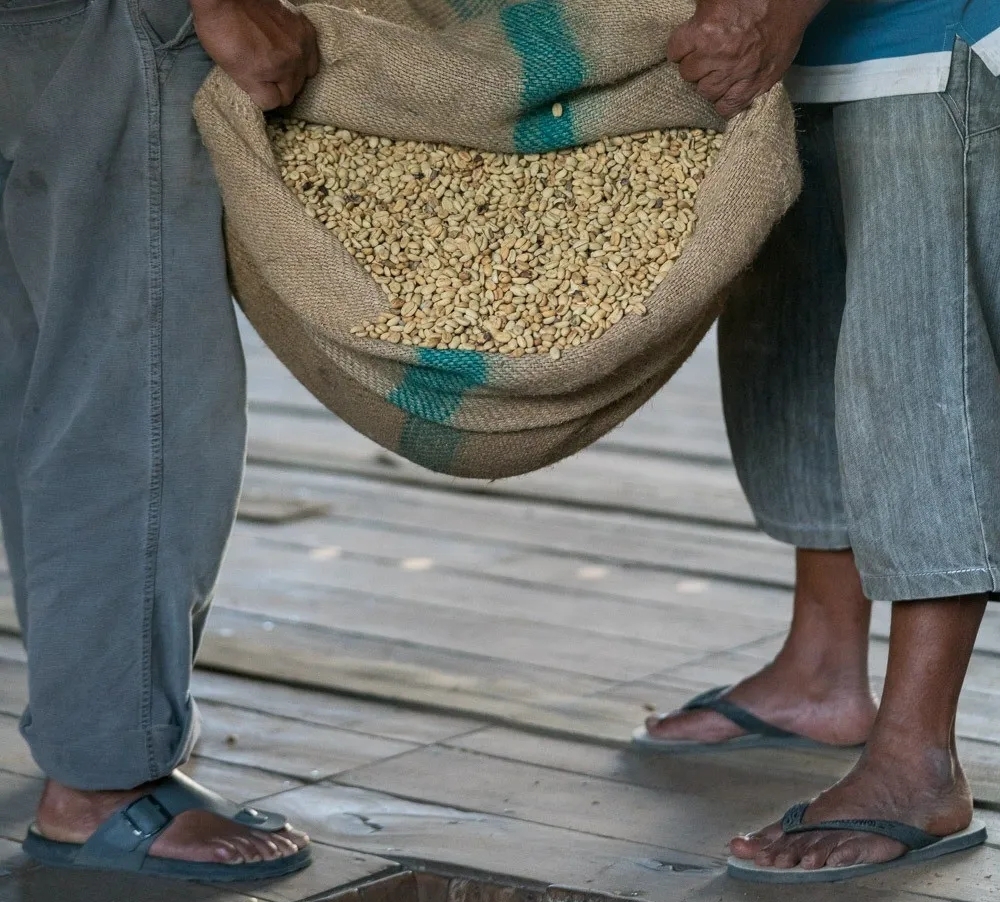
However, Sumatra’s unique tropical rainforest climate—with high humidity and frequent rainfall throughout the year—makes traditional washed or natural processing methods difficult to implement. To overcome these environmental constraints, local coffee farmers developed the “wet-hulled” method. This technique allows for processing to be completed in just four days, significantly shortening fermentation and drying times. Not only does this improve efficiency, but it also imparts the coffee beans with intense herbal and earthy characteristics, which have become the signature flavor profile of Sumatran Mandheling.
Golden Mandheling takes this a step further by undergoing strict quality control by PWN, selecting only the top-tier G1-grade green beans. This grade requires that the beans be 18 mesh or larger, with no more than three defective beans per 300-gram sample. Through mechanical screening and three rounds of manual handpicking, each bean is ensured to be uniformly shaped and intact, greatly reducing the defect rate and resulting in a cleaner flavor and more pronounced sweetness.
To brew an outstanding cup of Golden Mandheling, the freshness of the beans is the foremost priority. It is recommended to use coffee beans roasted 4 to 7 days prior—this period represents the optimal flavor window when aromatic compounds are at their peak. If left too long, the aroma can dissipate, and undesirable woody or musty off-notes may emerge. The Golden Mandheling offered by this brand is freshly delivered within five days of roasting to ensure consumers receive it at the height of its flavor.
For actual pour over brewing, it is recommended to use 15 grams of coffee grounds with a 1:15 brew ratio, which equates to a total of 225 milliliters of water. This ratio balances flavor complexity and body, allowing the coffee to showcase a rich foundation along with delicate aromas—neither too thin nor overly intense.
In terms of grind size, because Golden Mandheling is a dark roast, its internal structure is already relatively loose and prone to releasing compounds. A medium grind is advised, with about 70% of the grounds passing through a #20 sieve. Too fine a grind may lead to over-extraction, bringing out excessive bitterness and impurities; too coarse may result in under-extraction, making the flavors appear dull and unremarkable.
The water temperature is recommended to be controlled between 87–88°C. Excessively high temperatures can release too many bitter compounds, affecting overall balance; slightly lower temperatures help stabilize extraction, concentrating the aroma and sweetness while avoiding any sharp or astringent notes.
The choice of filter also affects the final flavor expression. It is recommended to use a KONO filter, whose smooth curved surface and minimal straight ribs (covering only a quarter of the filter) result in weaker ventilation. This makes it easier for the coffee bed to form an immersion-style extraction environment, helping to bring out a rich, rounded mouthfeel—especially suitable for bold, flavorful beans like Golden Mandheling. In contrast, although V60 is widely used, its strong ventilation and fast extraction may not fully highlight the delicate nuances of this particular coffee.
For brewing technique, it is suggested to use the classic three-stage pouring method, which helps to gradually draw out the coffee’s multi-layered flavors and enhances overall sweetness and balance. First, pour 30 grams of hot water steadily into the center and let it bloom for 30 seconds—this allows the coffee grounds to fully expand and release aroma. The second stage involves pouring 100 grams of hot water in a circular motion, slightly raising the water level to involve the edges of the coffee bed and further extract aromatic compounds. Finally, pour another 95 grams of hot water in a smaller circle, focusing on the later stage of extraction to intensify sweetness and aftertaste.
Combining all the above parameters and techniques, Golden Mandheling typically presents a rich yet clean mouthfeel with notable layering after pour over brewing. Its flavor profile centers around nuts, caramel, and chocolate, with a long-lasting aftertaste and persistent aroma. It is not only ideal for coffee beginners practicing pour over skills but also offers advanced enthusiasts room to fine-tune parameters based on personal taste preferences and explore even more possibilities.
The above content is compiled by CoffeeHunters, a coffee news website.


