







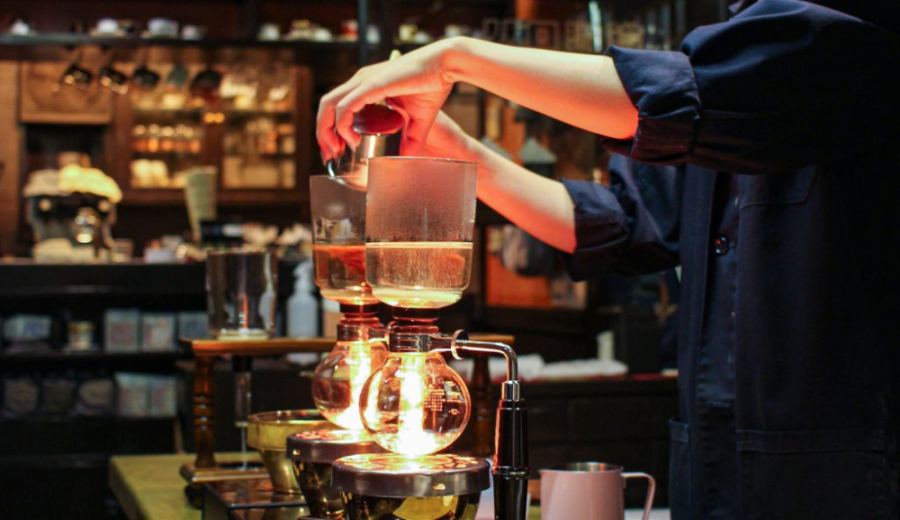
Introduction:The siphon coffee maker, with its unique vacuum extraction method and highly scientific operation process, has become a classic brewing device in the hearts of many coffee enthusiasts. This article will delve into the structural design, heating principle, grind size and brew ratio settings of the siphon, and provide a detailed explanation of key steps such as the timing of coffee grounds addition, stirring techniques, and when to turn off the heat. It also offers a complete eight-step operation process to help you easily master the essentials of brewing, so you can make smooth, layered siphon coffee at home.
The appearance of the siphon coffee maker often reminds people of laboratory glassware. This brewing tool uses steam pressure generated by heating to push water up to the upper chamber where it mixes with coffee grounds, then relies on pressure difference to let the brewed coffee flow back down to the lower chamber, ultimately delivering a rich and balanced flavor profile. It not only benefits from scientific principles but is also a brewing method full of ritual.
The English name for the siphon coffee maker is "SIPHON," also known as a siphon pot. It originated in Europe and was trademarked by the French woman Marie Fanny Amelne Massot. Its classic spherical design has become the iconic image of the device and remains widely loved by coffee enthusiasts around the world.
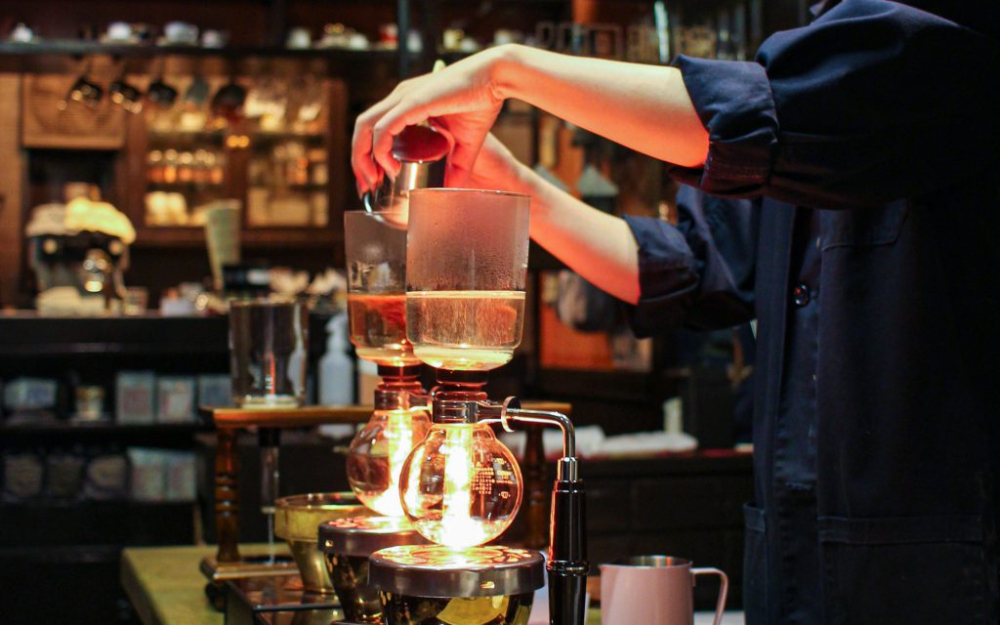
The operating principle of the siphon coffee maker is based on pressure difference created by temperature changes, which is a typical example of the siphon effect. When the lower chamber is heated, the water inside turns into steam, increasing the pressure and pushing the hot water up to the upper chamber to mix with the coffee grounds. When heating stops, the temperature in the lower chamber drops, creating negative pressure, and the brewed coffee flows back through the slender glass tube in the middle, completing the entire process.
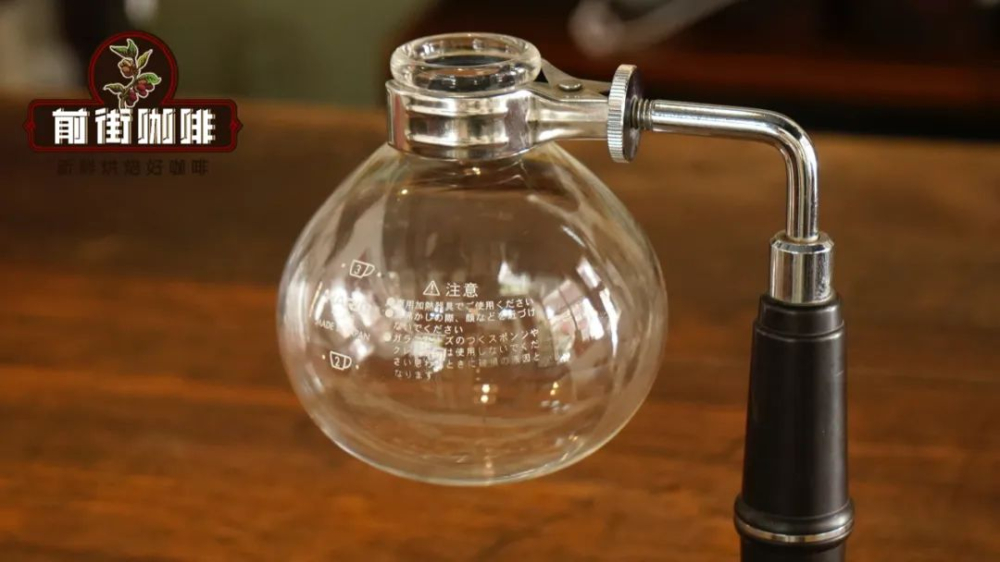
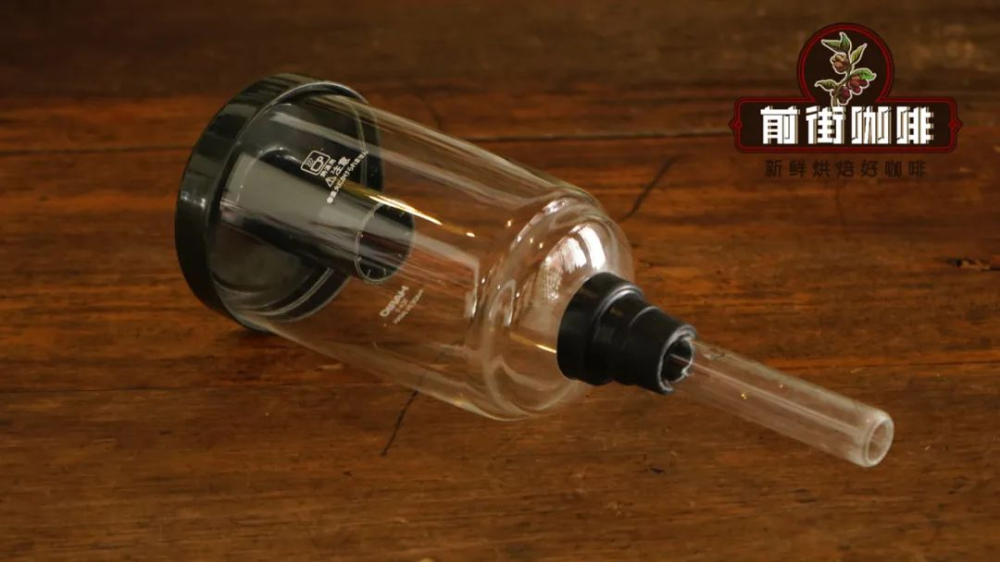
The siphon coffee maker mainly consists of three parts: the upper chamber, the lower chamber, and the stand. The lower chamber is usually spherical, which helps ensure even heating. The upper chamber is cylindrical, narrowing at the bottom and connected to a gradually tapering glass tube. The whole structure is securely held in place by the stand. The connection is sealed with a heat-resistant gasket to ensure no air or water leakage during heating.
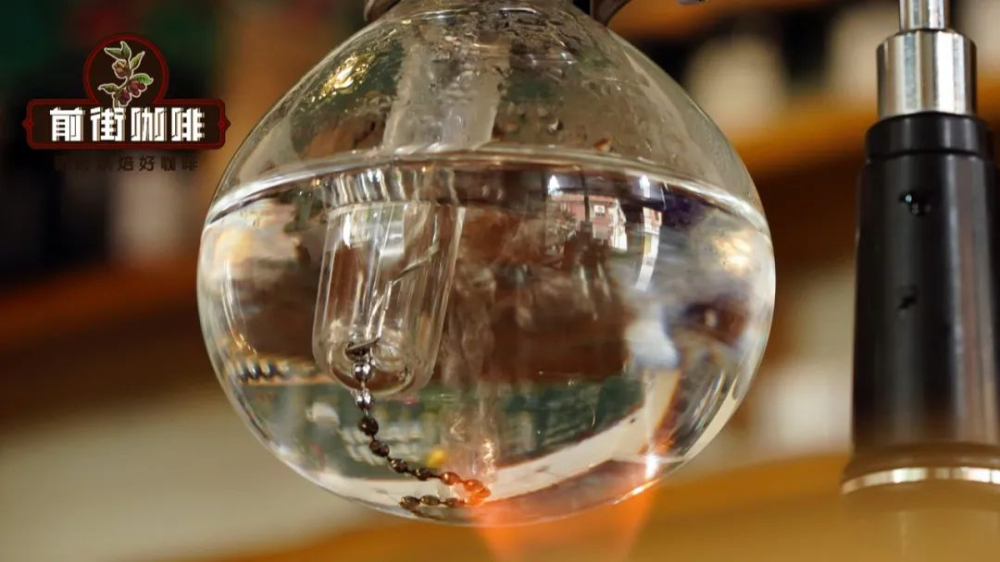
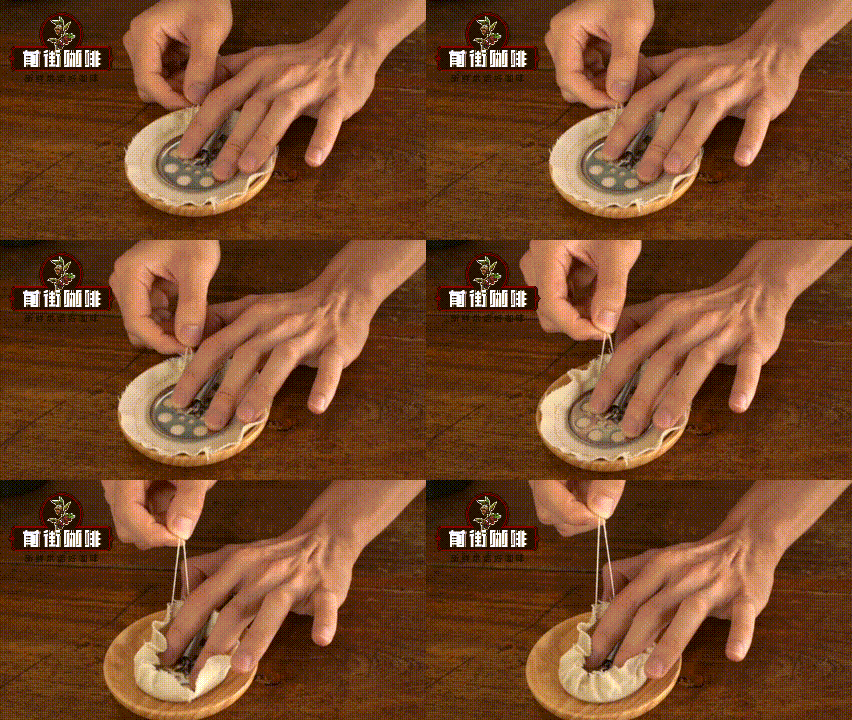
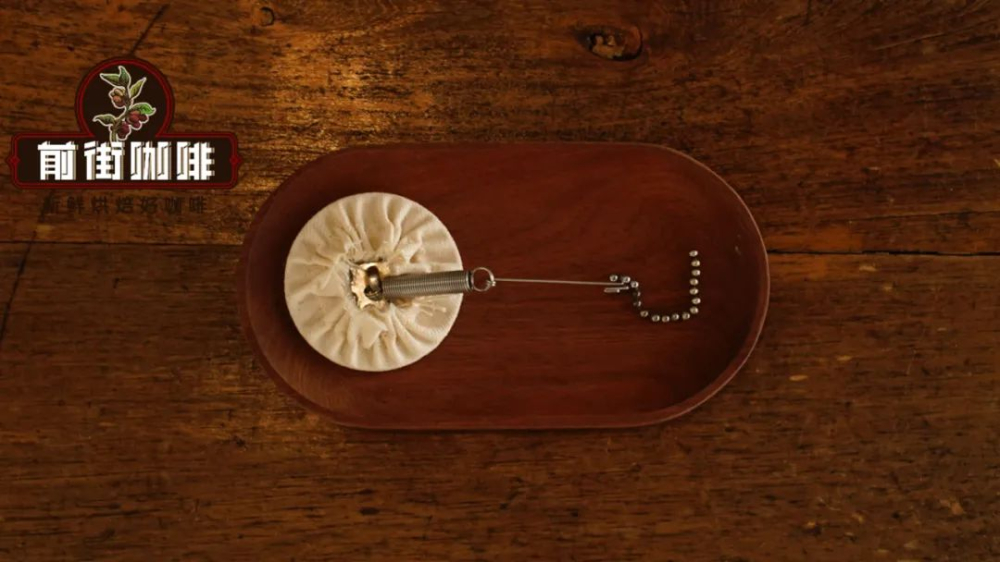
The filtration system of the siphon coffee maker consists of a circular metal filter plate and a spring chain. Before use, the filter cloth (commonly made of felt material) needs to be evenly wrapped around the filter plate, with both sides of the wire pulled tight and tied into a knot. After trimming the excess wire, place it inside the upper chamber to complete the assembly. Choosing high-quality filter cloth can effectively filter out coffee grounds, ensuring a smooth and clean taste.

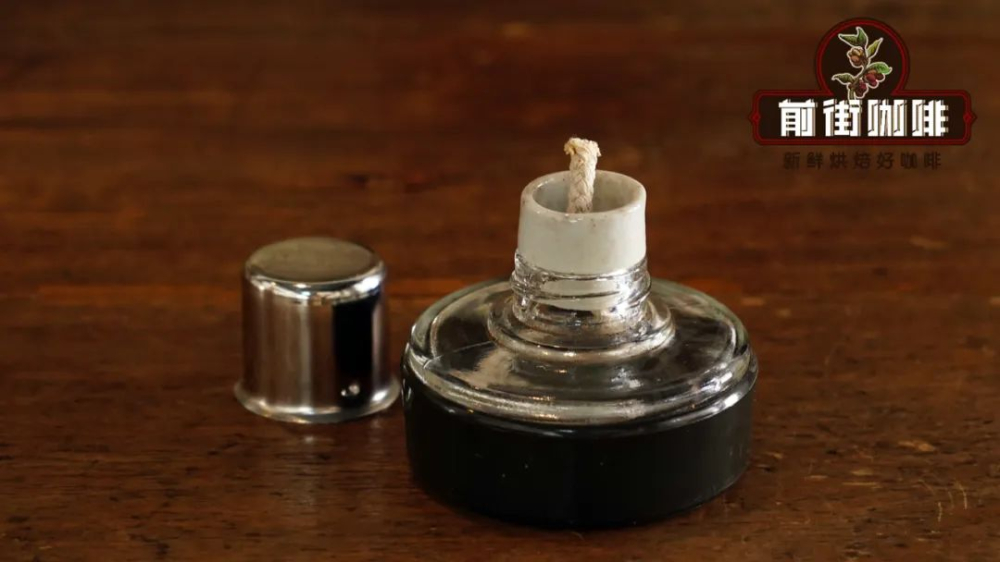
In terms of heat source options, the siphon coffee maker is quite flexible. You can choose an open flame from a gas stove, an alcohol lamp, a convenient and safe electric heater, or even a lightwave heating device. As long as it can steadily heat the lower chamber and allow for heat control, successful extraction can be achieved.
Regarding the grind size of the coffee, it is recommended to be slightly finer than that used for pour over coffee. Taking a #20 sieve as an example, the passing rate should be around 90%, which is finer than the typical 80–85% for standard pour over, helping to fully extract flavor compounds. The recommended brew ratio range is 1:10 to 1:12, with 1:11 being the empirically tested golden ratio — that is, 20 grams of coffee grounds to 220 milliliters of water, suitable for most siphon sizes and everyday brewing needs.
The timing of adding coffee grounds is a topic of much discussion among siphon users. Some prefer to add the coffee grounds before the water has completely risen to the upper chamber, believing it allows for earlier immersion and brings out a richer flavor. However, many experienced users recommend adding the grounds only after the water has fully risen to ensure the coffee grounds are evenly in contact with the hot water, avoiding localized over-extraction. For beginners new to the siphon, adding the grounds later offers greater stability and reduces the risk of extraction errors caused by uneven water-coffee contact.
During the entire extraction process, it is recommended to perform three rounds of stirring: when the coffee grounds first come into contact with water, about halfway through the soaking time (around 25 seconds), and during the final stage just before turning off the heat. There are various stirring methods, including cross, Z-shaped, infinity (∞), circular, or tapping. For those who are not yet skilled, the tapping method is recommended for its simplicity and ease of control. Simply use the center of the stirring rod as the axis and alternately tap the coffee grounds layer at both ends. This helps the coffee grounds suspend and spread evenly.
As for when to turn off the heat, beginners are advised to rely on timing rather than just their sense of smell. If using the pre-addition method, start the timer when the first stirring begins. If choosing the post-addition method, start timing the moment the coffee grounds are added. Generally, the recommended extraction time is between 50 and 70 seconds. This duration allows for the full extraction of the coffee’s sweetness and aroma without leading to bitterness due to over-extraction.
Below is the complete eight-step process for using a siphon coffee maker at home:
Step 1: Place the lower chamber firmly on the heat source, install the filter cloth hook of the upper chamber, place the filtration system into the upper chamber, pull the hook out from below, and hang it at the mouth of the tube to secure it.
Step 2: Pour approximately 220 milliliters of water into the lower chamber, adjusting according to the pot capacity and desired brew ratio.
Step 3: Use a dry cloth to wipe the outer wall of the lower chamber clean to prevent cracking due to steam during heating, then ignite the heat source (such as an alcohol lamp or gas stove).
Step 4: Insert the upper chamber diagonally into the lower chamber, making sure the anti-explosion bead at the bottom contacts the base of the lower chamber to enhance stability and safety.
Step 5: When the water in the lower chamber starts to boil and forms bubbles, straighten the upper chamber and press it down firmly. At this point, the hot water will be pushed up to the upper chamber by pressure, where it meets the prepared coffee grounds.
Step 6: Once the water has fully risen to the upper chamber, stop heating, quickly add the coffee grounds, and immediately start the timer. Use the tapping method to evenly press the coffee grounds into the water, starting the first stage of extraction.
Step 7: Perform the second stirring around 25 seconds into the extraction. It is recommended to continue using the tapping method or another suggested stirring technique, allowing the coffee liquid to clearly separate into three layers: foam, liquid, and coffee grounds.
Step 8: Perform the final clockwise stirring at around 50 seconds, then remove the heat source at 60 seconds. Wait quietly as the coffee liquid slowly flows back down to the lower chamber due to the pressure difference. At this time, you can wipe the outer wall of the lower chamber with a dry cloth to help accelerate the return speed, improving overall extraction efficiency and stability.
The above content is compiled by CoffeeHunters, a coffee news website.


