







Introduction:Want to consistently brew Brazilian beans with their signature nutty and creamy notes, but often struggle with temperature, grind size, brew ratio, and technique? This article takes the Yellow Bourbon honey-processed beans from Fazenda Rainha in São Paulo State as an example, delving into how its terroir, variety, and processing method influence its flavor, and providing precise parameters and practical tips for the four key pour over factors—brewing temperature, grind size, brew ratio, and pouring technique—along with complete brewing data and flavor profiles. Even beginners can easily grasp the essence of brewing this classic Brazilian bean.
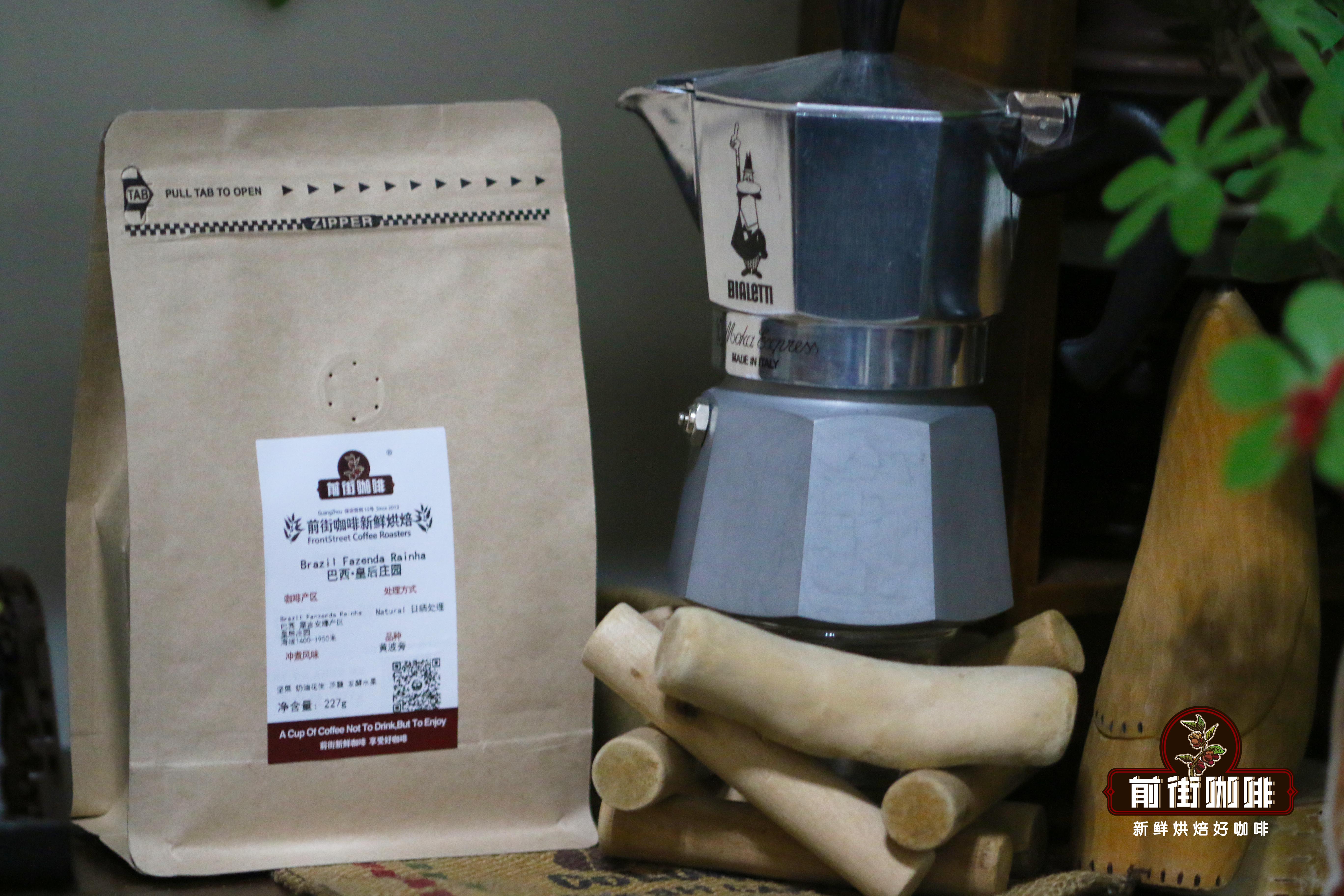
Brazil consistently ranks as the world’s top coffee producer, known for its beans’ balanced body, rich mouthfeel, and pronounced sweetness, making them especially well-suited for pour over enthusiasts. However, for those new to the craft, figuring out the right temperature, grind coarseness, brew ratio, and pouring method for a specific Brazilian bean can be overwhelming. This article uses the Yellow Bourbon honey-processed beans from Fazenda Rainha in São Paulo State as an example. First, it introduces how the terroir, variety characteristics, and processing methods of these beans collectively shape their unique flavors. Then, it offers specific recommendations for the four core pour over elements, and finally provides complete brewing parameters and flavor descriptions to help you easily replicate a cup of Brazilian pour over coffee with balanced flavors and prominent sweetness.
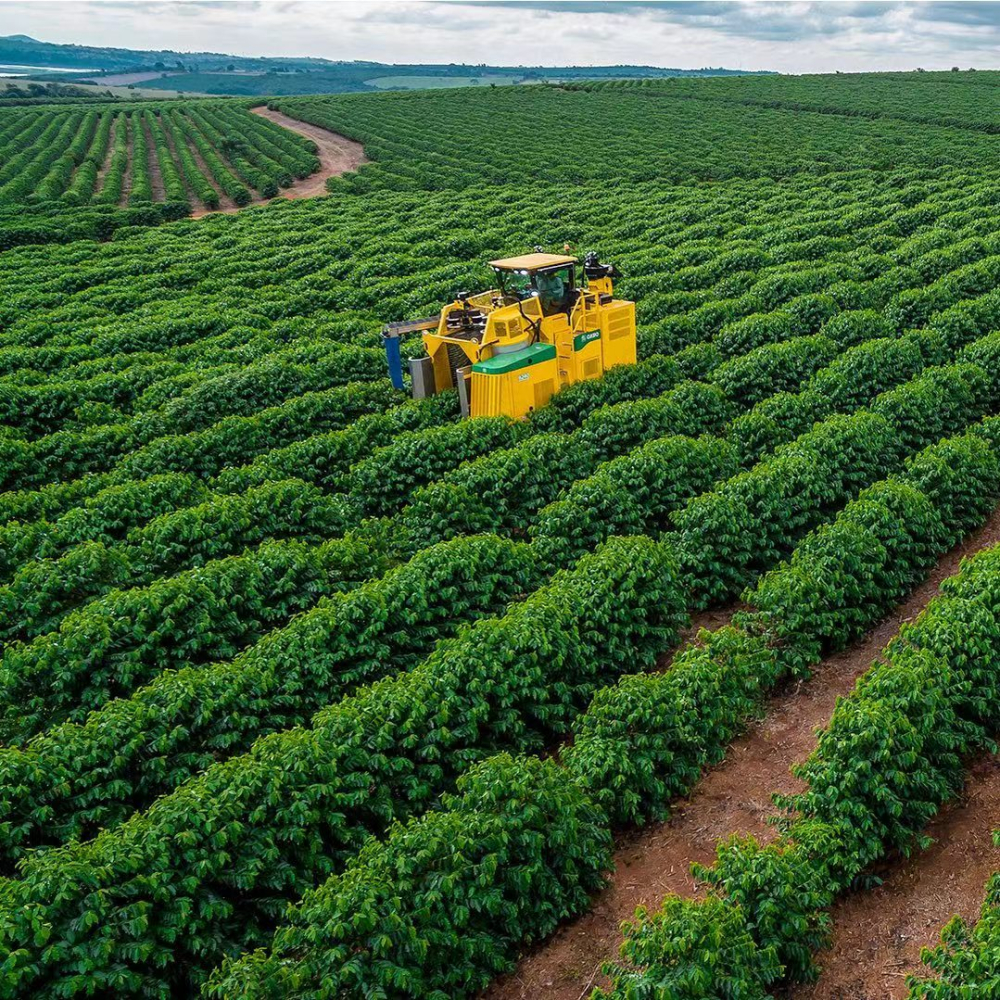
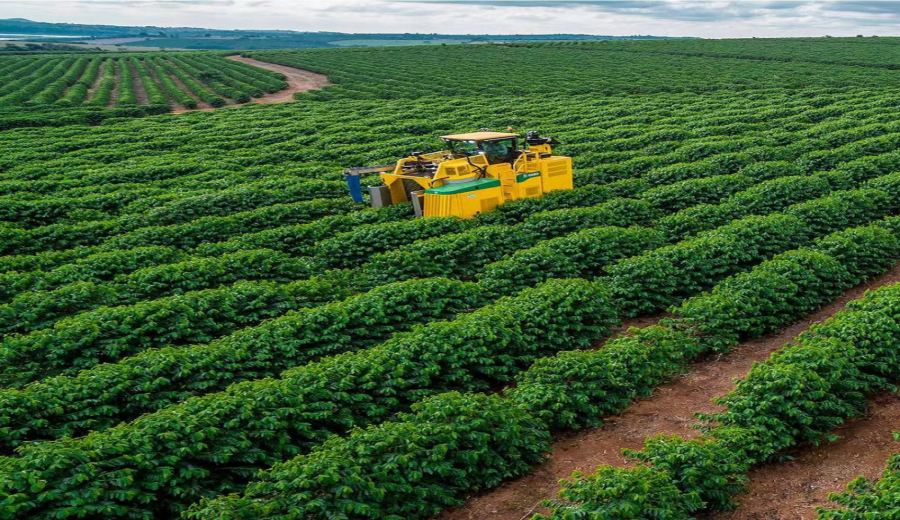
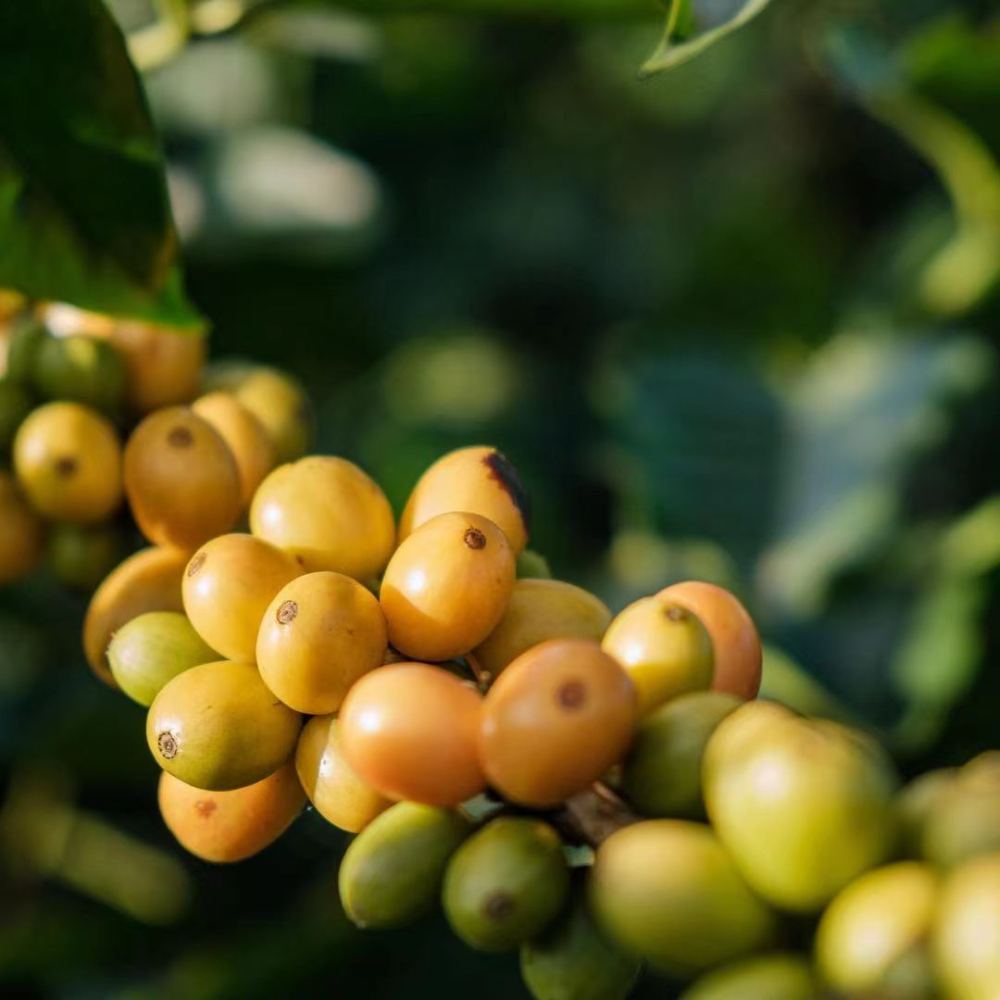
Fazenda Rainha is located in the northern part of the Mogiana region in São Paulo State, Brazil, and is owned by the Carvalho Dias family. Since the first Brazilian Cup of Excellence competition in 1999, the family has consistently achieved outstanding results, winning more than twelve awards within seven years, including taking the championship, ninth, and eleventh places in 2004—an impressive feat that speaks to their expertise. The farm sits at an altitude between 1400 and 1950 meters and grows Yellow Bourbon, with 280 acres of land, 200 of which are dedicated exclusively to this variety. Yellow Bourbon is a mutation of Bourbon, where the fruit turns yellow due to recessive genes. It naturally boasts prominent sweetness, high clarity, and balanced flavors, along with tropical fruit aromas, making it a classic choice for showcasing the characteristics of the Brazilian growing region.
These Fazenda Rainha beans are processed using Brazil’s unique honey process. This method was developed to suit the region’s relatively dry climate, and is characterized by controlling the fermentation level of the mucilage-covered beans after depulping. Unlike the common water fermentation process, the honey process skips the fermentation stage and goes directly to sun drying, resulting in a more intense profile of nuts, cream, and fermented fruit, along with a distinct sugarcane sweetness. The flavor profile is clear and layered.
To successfully brew out the unique flavors of these Fazenda Rainha beans, the key lies in accurately mastering the four pour over elements: brewing temperature, grind size, brew ratio, and pouring technique. First, let’s talk about brewing temperature. The roast level affects the release of internal compounds in the coffee beans. Darker roasts require lower temperatures to avoid off-flavors, and for the medium-dark roasted Fazenda Rainha beans, to enhance their nutty and creamy qualities, it is recommended to use87-89℃a medium-low brewing temperature, which can bring out the sweetness while avoiding over-extraction.
Grind size determines the efficiency of contact between coffee grounds and water. Too fine can lead to over-extraction, while too coarse may result in under-extraction. It is recommended to calibrate using a standard #20 sieve (with 0.85mm holes): take 10g of coffee beans, grind them, and sift them. Ifthe throughput is 75%(about 7.5g sieved out), that is the ideal grind size for a medium-dark roast. If you don’t have a sieve at home, you can refer to the feel of the ground coffee—the ideal grind coarseness for a medium-dark roast is similar to that of fine sugar—not too fine, not too coarse.
Brew ratio is key to influencing extraction yield and concentration. According to the SCAA Golden Cup extraction theory,1:15a 1:15 brew ratio (for example, 15g of coffee to 225g of water) is the safest choice, reliably falling within the Golden Cup range (extraction yield 18%-22%, concentration 1.15%-1.35%), and is well-suited to highlighting the balanced flavors of these beans. If you prefer a stronger taste, you can adjust slightly to 1:14; if you like a lighter profile, you can try 1:16.
For pouring technique, beginners are advised to usea three-stage pour, which is suitable for medium-dark roasts and helps clearly separate the early, middle, and late-stage flavors, ensuring stable extraction. The specific steps are as follows: start with a 30g bloom for 30 seconds to awaken the coffee grounds; then pour in small circles until you reach 125g for the first pour. When the water level drops close to exposing the coffee bed, continue pouring to 225g before removing the filter. When using a Kono filter, the total brew time is approximately2 minutes and 10 seconds(around 2 minutes if using a V60), which helps fully extract the nutty, creamy, and sugarcane sweetness while avoiding bitterness from over-extraction.
In summary, these Fazenda Rainha Yellow Bourbon honey-processed beans deliver a pour over performance with a base of nuts and cream, complemented by layers of fermented fruit and a pronounced sugarcane sweetness. The cup is full-bodied and balanced. As long as you mastera brewing temperature of 87-89°C,a medium-dark roast grind size (20号筛网通过率75%),a 1:15 brew ratio, anda three-stage pour technique, even pour over beginners can easily brew a cup of classic Brazilian coffee with vivid flavors and outstanding sweetness.
The above content is compiled by CoffeeHunters, a coffee news website.


