







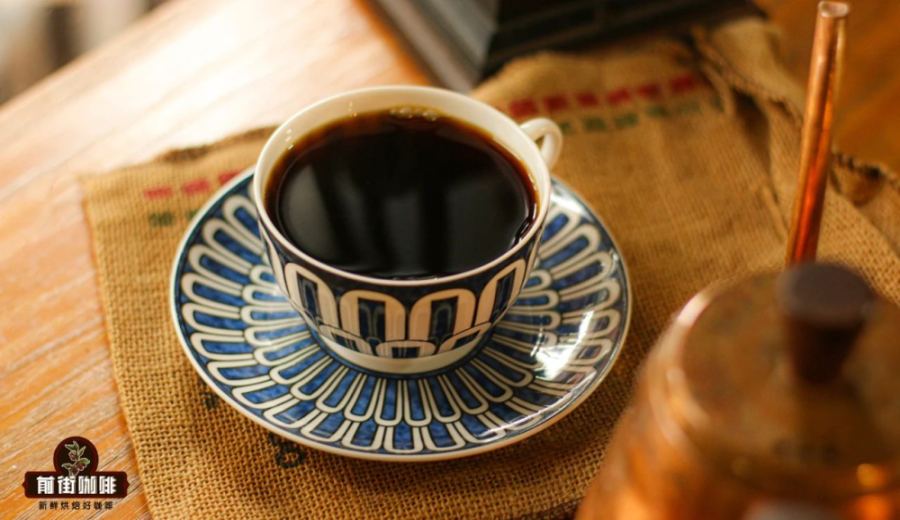
Introduction:The flavor profiles of aged Mandheling and fresh Mandheling are vastly different. The former, after undergoing prolonged aging, exhibits reduced acidity, increased body, and complex layers of honey and herbal notes. This article will explore the principles behind the aging process, ideal storage conditions, and how flavors evolve, along with practical KONO filter pour over parameters tested in-house — including water temperature, grind size, and brewing steps — to help coffee enthusiasts master the brewing techniques for this classic Indonesian bean.
Mandheling has always been a favorite among many coffee lovers, but if you’ve tried aged Mandheling, you’ll surely be surprised by how distinctly different its flavor profile is from that of fresh Mandheling. Aged Mandheling isn’t just beans that have been stored longer — it’s a specially processed bean variety that undergoes strict quality control and long-term maturation at origin. Its acidity is significantly reduced, resulting in a smoother, fuller mouthfeel, accompanied by a honey-like sweetness and unique herbal undertones.
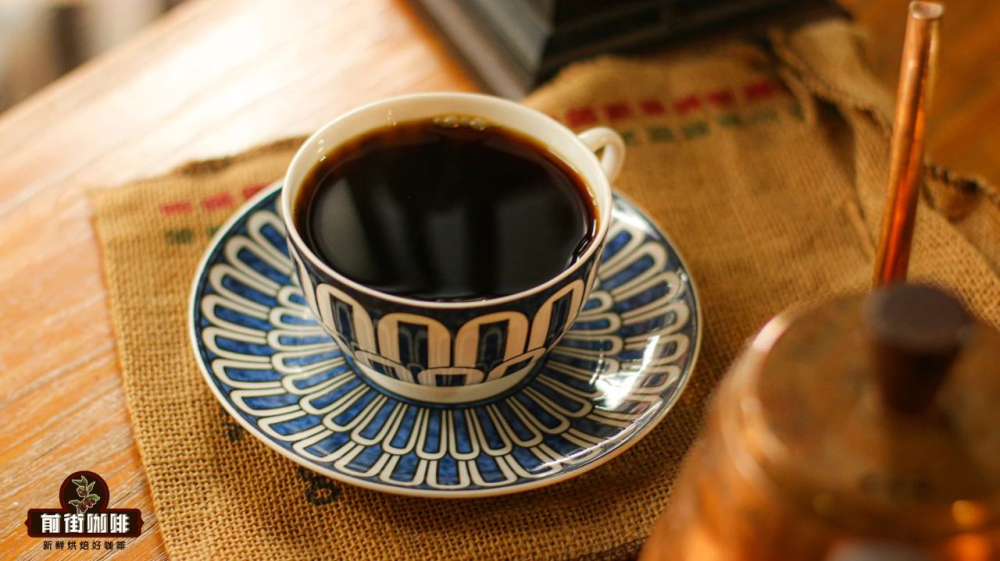
This aging process bears similarities to the production of Indian monsoon beans, both requiring years of careful preservation to develop their enchanting flavors. Many believe that wine improves with age, and the same can be said for coffee — but the creation of aged Mandheling is no accident. It involves a rigorous procedure: selecting high-quality green beans and allowing them to rest in a controlled environment that is constant in temperature, well-ventilated, and cool, for at least 24 months. During this time, the beans are regularly turned to prevent moisture absorption or mold. This method transforms the originally sharp fruit acids into a softer foundation while highlighting a rich and layered aromatic profile.
The key to the aging process lies in the dual control of ‘time’ and ‘environment.’ Typically, farmers carefully select robust and storable green beans, then let them slowly age in professional storage facilities — a process that demands considerable manpower and attention. Compared to the bright fruit acids and floral notes of fresh coffee beans, aged Mandheling presents a more restrained character, with intense caramel sweetness and subtle woody tones, making it an unmissable choice for those who enjoy deeper, more profound flavors.
However, whether aged beans are superior to fresh ones ultimately depends on personal taste preferences. Fresh beans usually showcase bright acidity and abundant fruity aromas, making them ideal for those who prefer a refreshing cup; whereas aged beans excel in delivering a full-bodied, steady profile, much like an aged liquor that has matured over time, offering a uniquely nuanced experience. It’s worth noting that the storage conditions for aged beans are extremely particular — they must be kept in a dry, ventilated, and pest-free environment, or else they can easily develop musty or other off-flavors.
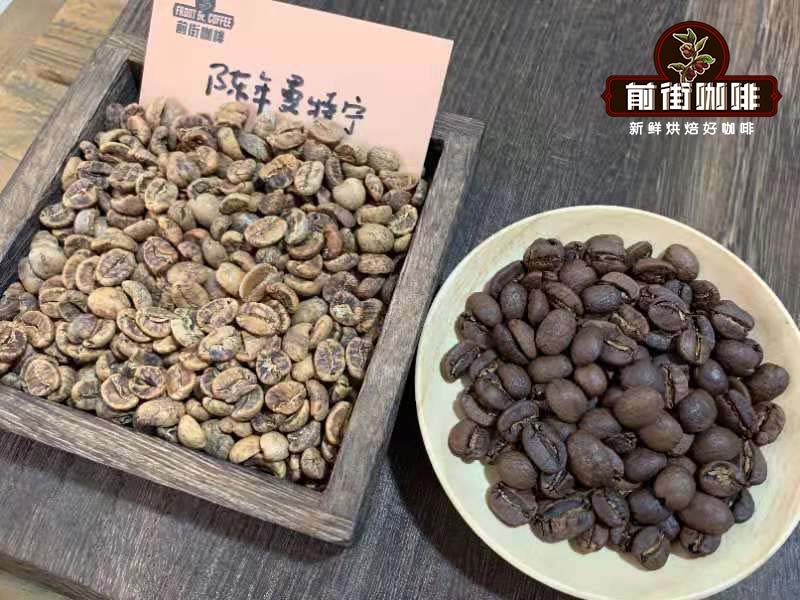
Visually, aged Mandheling beans appear darker due to long-term storage, with a drier surface that lacks the glossy sheen of fresh beans. At the same time, the loss of moisture makes it easier to extract a richer mouthfeel and sweetness during brewing. While its acidity is noticeably reduced, it gains in body and a more complex aroma structure — such as notes of honey, caramel, and even faint leather tones — all of which are possible flavor characteristics developed through the aging process.
In terms of roasting, because aged Mandheling has a higher density and lower moisture content, special attention must be paid to heat control during roasting to avoid over-charring the bean surface. Taking the Yangjia 800N roaster as an example, it is recommended to start with a drum temperature of around 200°C. Set the initial air vent to level 3, and after about 1 minute of pre-infusion, adjust the heat to 160°C, then gradually reduce it to 140°C until the bean surface turns a uniform yellow and the grassy notes have completely dissipated. As first crack approaches, visible wrinkling and dark spots will appear on the bean surface — at this point, closely monitor the onset of first crack and appropriately reduce the heat. Finally, drop the beans within the ideal temperature range to preserve their rich aroma and layered taste profile.
For brewing, it is recommended to use a KONO filter with a water temperature of 88°C and a medium-coarse grind size equivalent to Hoshi No. 4. The KONO filter features relatively simple ribbing, which allows the filter paper to adhere tightly to the cup walls, effectively restricting airflow and extending contact time between water and coffee grounds, thereby enhancing extraction yield and body. Tested pour over parameters are as follows: a coffee-to-water ratio of 1:14, using 17 grams of coffee, with an initial 25-gram bloom for 30 seconds, followed by pouring to a total of 238 grams, keeping the total brew time around 2 minutes. This method effectively highlights the herbal and caramel flavors of aged Mandheling, resulting in a rounded mouthfeel and a long, lingering finish.
The above content is compiled by CoffeeHunters, a coffee news website.


