







Introduction:Understanding how coffee beans transform from fruit to seeds before roasting is the first step in exploring the origin of a cup of coffee’s flavor. This article delves into the world’s four most mainstream coffee bean processing methods — natural (sun-dried), washed, honey (pulped natural), and semi-washed — covering their steps, pros and cons, as well as actual flavor differences. It will help you grasp the characteristics and suitable scenarios of each method, complete with corresponding flavor profiles, aiding coffee enthusiasts in selecting their favorite beans right from the source.
The journey of coffee from fruit to roast-ready beans involves a series of refined post-harvest processing procedures, collectively referred to as "processing methods." Although many innovative technologies have emerged in the market today, the four traditional methods — natural, washed, semi-washed, and honey — remain the most widely adopted processing techniques across global producing regions. These processing methods not only directly affect the appearance and shelf life of green beans but also largely shape the acidity, sweetness, body, and aroma profile of the final cup.
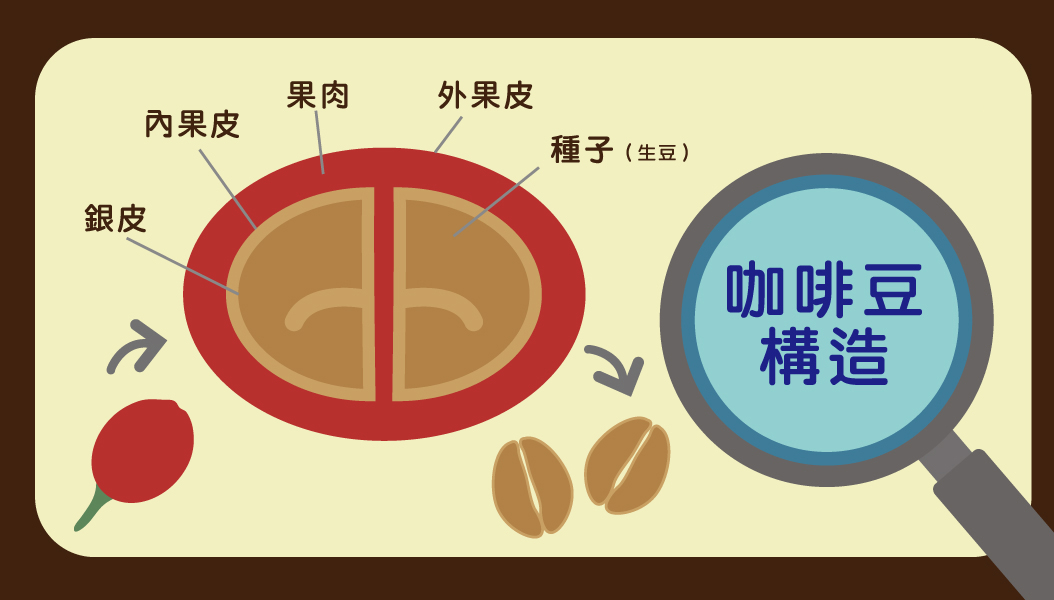
A coffee cherry resembles a cherry in appearance and is composed, from the outside in, of the skin, pulp, mucilage layer, parchment (seed husk), silver skin, and at the very center, the coffee seed we are familiar with. Among these layers, the mucilage layer is the most difficult to remove completely, with a thickness of about 1 to 2 millimeters and a sticky, slippery texture, similar to that found on tomato seeds. The main differences among processing methods lie in how these outer layers are removed, and it is these differences that are the primary reason for the vast array of flavors in coffee.
Natural (Sun-Dried): The Most Traditional, Fruit-Aromatic Natural Drying Method
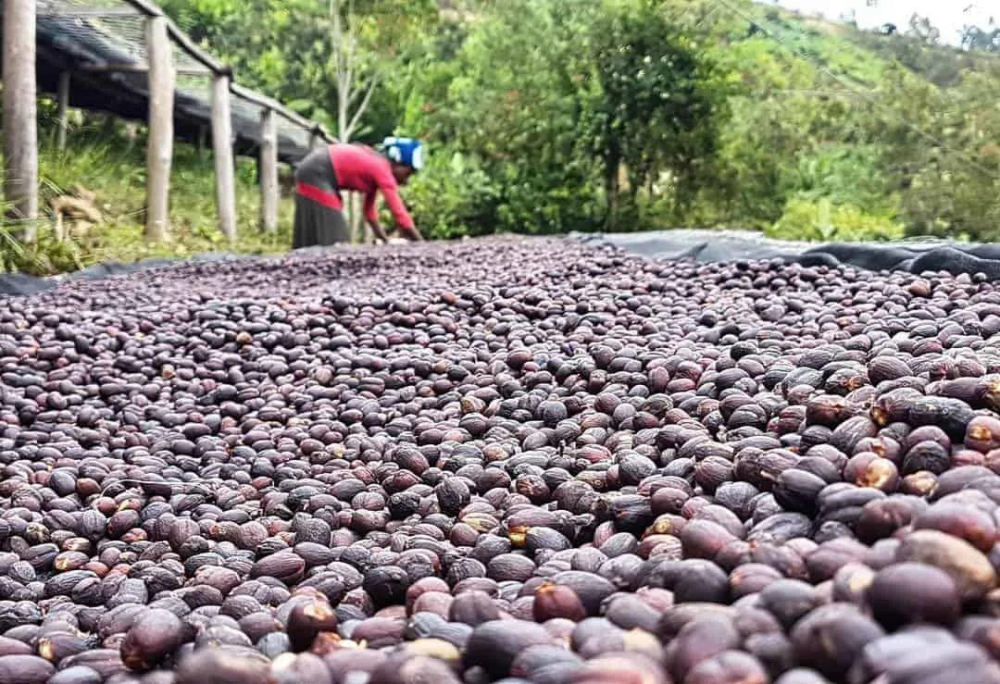
The natural process is the oldest and simplest method, relying mainly on sunlight to naturally dry the entire coffee fruit (including the seed), retaining the most original essence of the pulp. The steps include: first, pouring the harvested coffee cherries into a water tank and using buoyancy to remove unripe or overripe floaters; then spreading the sinking, ripe fruits evenly on drying beds and sun-drying them for about two to four weeks until the overall moisture content drops to around 12%; finally, using a hulling machine to remove the dried skin, pulp, and parchment, releasing the inner seed.
The advantages of this method are low cost and simple operation. Additionally, because the fruit remains in close contact with the seed during drying, it fully transfers fruity flavors and sugars, resulting in natural sun-dried beans that generally exhibit rich flavors such as tropical fruits, creamy strawberry, caramel, and black tea, with pronounced sweetness and a full body. However, if the local climate is unstable or management is poor, the pulp can easily reabsorb moisture and mold, and the hulling process may cause surface defects on the beans, making quality control more challenging.
Recommended Try:Natural Huakui(Ethiopia · Guji, Medium-Light Roast), with flavors of tropical fruits, creamy strawberry, citrus, dried mango, caramel, and black tea.
Washed: The Classic Method for Clean and Bright Acidity
The washed process is currently the most common and highly standardized processing method globally, emphasizing the removal of mucilage through fermentation and washing to achieve a clean, high-acid, and bright cup profile. The process begins with floatation to remove defective cherries, followed by the use of a pulper to remove the outer skin and pulp, leaving the mucilage-covered parchment seed. The seeds are then placed in a fermentation tank where microorganisms naturally break down the mucilage over approximately 16 to 36 hours, with constant stirring to promote the reaction. This process also generates organic acids such as citric acid and malic acid, further enhancing the brightness of future flavors. After fermentation, the beans are thoroughly rinsed with clean water, and finally, the moisture content is reduced to 12% through sun-drying or mechanical drying before hulling.
Washed beans usually appear dark green with high integrity. They feature clear acidity and distinct flavor lines, making them highly favored in the specialty coffee market. However, this method requires a large amount of water (approximately 1 kilogram of fresh cherries and 2 to 10 liters of clean water per 200 grams of green beans), resulting in relatively higher costs and environmental impact.
Recommended Item:Washed Guodingding(Ethiopia · Yirgacheffe, Washed Process, Medium-High Altitude), with flavor notes including citrus, jasmine, honey, and berries, delivering an overall refreshing and delicately aromatic profile.
Semi-Washed Method (Semi-Sun-Dried): A Balanced Improvement on Water Usage and Flavor
Also known as the semi-sun-dried method, the semi-washed process aims to reduce the high water consumption of the washed method while retaining a certain degree of clean flavor. Its processing flow is roughly similar to the washed method, but at the mucilage removal stage, it uses a mechanical mucilage remover (demucilager) to directly scrape off the sticky layer instead of relying on fermentation. It is then dried by sun or machine to 12% moisture content before hulling.
The flavor of this method falls between that of natural and washed, with lower acidity than washed beans and less intense sweetness than natural beans, but overall offers a balanced flavor and higher processing efficiency. The downside is that the operation is still relatively complex and requires certain standards for drying management.
Recommended Try:Semi-Sun-Dried Brazil Cerrado(Brazil · Cerrado, Red Bourbon, Semi-Washed Process, Medium-Low Altitude), with main flavors of nuts, cream, chocolate, and caramel, suitable for those who prefer low-acid, full-bodied taste profiles.
Honey Process: The Art of Sweetness and Body in Concentrated Form
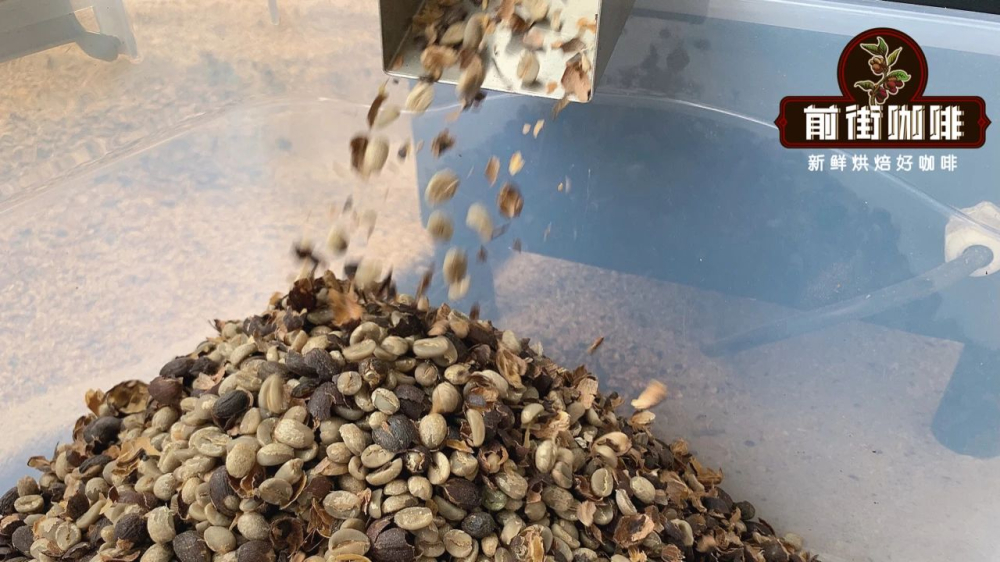
The honey process, known in English as pulp natural or honey process, is characterized by deliberately retaining the sticky mucilage layer after removing the skin, followed by sun-drying. This viscous layer gradually dries and permeates the seed during drying, imparting a richer sweetness and body to the coffee, while reducing overall acidity. The resulting flavors often feature delicate floral notes, fruity sweetness, and caramel tones.
However, the challenge with honey processing lies in the need to frequently turn the beans during drying to prevent sticking and over-fermentation. If the weather is humid or environmental control is poor, mold can easily develop. Additionally, this method requires larger drying areas and longer drying periods, placing higher demands on the technique and resources of the producing region.
Recommended Item:Honey Process Blackberry(Costa Rica · Tarrazú, Caturra, Black Honey Process, Medium Altitude), showcasing an enchanting combination of floral, blueberry, grape, sweet orange, and caramel notes.
The above content is compiled by CoffeeHunters, a coffee news website.


