







Introduction:Kenyan coffee is renowned for its high quality and distinctive flavors. Among its common grade markings are AA and PB (peaberry), but do you know the difference between them? This article delves into the complete grading system of Kenyan coffee—from E-grade elephant beans to AA, AB, PB, C, TT grades—explaining the selection criteria and physical characteristics of each level. Through practical cupping comparisons, it also explores why peaberry PB is so rare and its flavor profile, while providing recommended pour over parameters and brewing suggestions.
In the world of specialty coffee, Kenyan coffee has long been celebrated for its bright acidity, complex fruitiness, and rich body. Especially those from Kenya’s high-altitude regions, they are a top choice for many coffee enthusiasts. Among the various grades, besides the commonly seen "AA," you might also frequently spot the label "PB." What exactly do these letters represent? And why do some coffee lovers have a special fondness for "peaberry PB"? This article will give you a comprehensive breakdown.
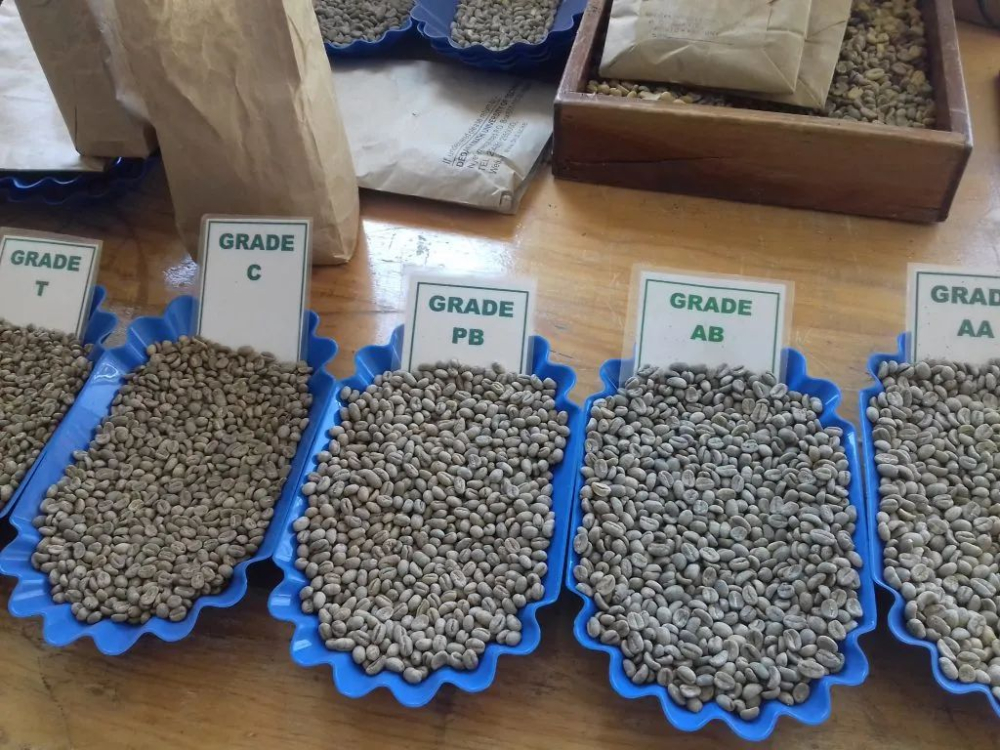
First, the grading system of Kenyan coffee is primarily based on the size of the green beans. This classification method helps ensure even heat distribution during roasting, which in turn affects the final flavor expression. The Kenyan coffee grades, from highest to lowest, include: E (elephant bean), PB (peaberry), AA, AB, C, TT, T, as well as MH/ML grades. Each grade has its specific screen size specifications and definitions.
Among them, Grade E, also known as elephant bean, is the largest in size but not necessarily indicative of the best flavor. PB is short for Peaberry, known in Chinese as “圆豆” or “小圆豆,” and is a naturally occurring mutation in coffee bean form. Typically, a single coffee cherry contains two half-round seeds, but in very rare cases, only one round seed is formed—this is what we call a peaberry. This occurs in only about 5% of the total harvest. Due to its round shape, higher density, and more even heat absorption, many roasters and baristas believe that peaberries often exhibit more concentrated and smoother flavor profiles.
Kenyan AA is one of the most well-known grades on the market. Its beans must pass through an 18-mesh screen, indicating larger size and more consistent quality. They are typically grown at altitudes above 1,700 meters and are mainly of the SL28 and SL34 varieties, characterized by intense acidity and rich fruity notes. Grade AB, on the other hand, is a blend of Grade A (6.8 mm screen) and Grade B (6.2 mm screen), using a 16-mesh screen, and is a widely circulated mid-grade Kenyan coffee.
Grade C beans are slightly smaller, around 15 mesh, while Grade TT consists of low-density beans sorted from AA, AB, and E grades via air classification. These are usually lighter and slightly lower in quality. Grade T includes broken or visibly defective small beans, while MH and ML refer to underripe beans.
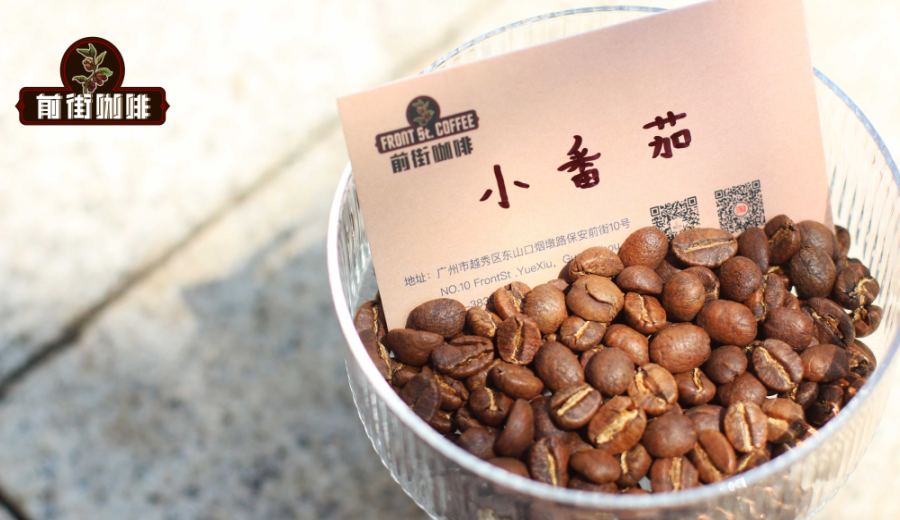
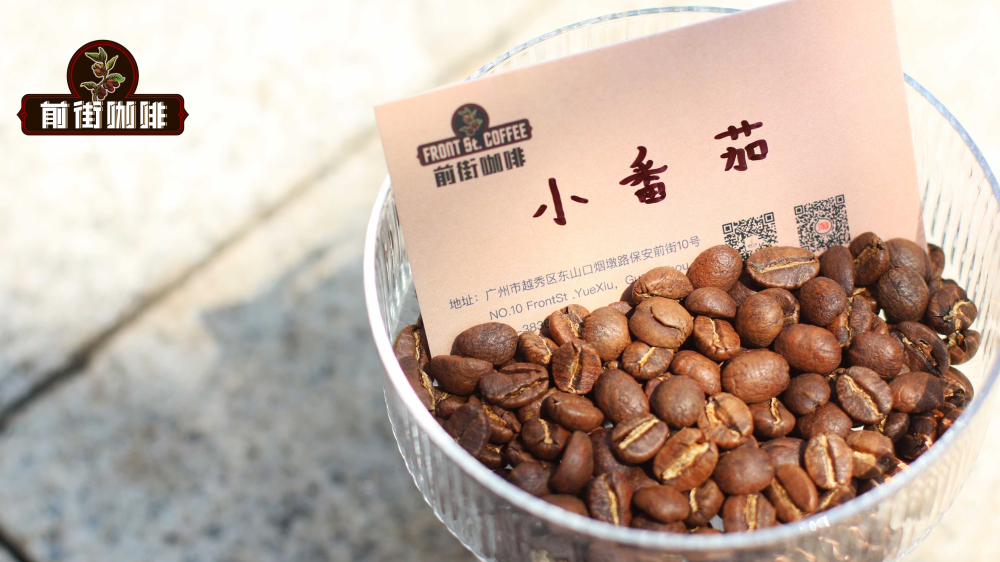
To better understand the characteristics of peaberries, we take as an example a pearl peaberry from the Nyeri region of Kenya, the Ichamama Pearl Peaberry. This coffee comes from the Karimira village at an altitude of 1,700–1,750 meters, jointly produced by local smallholder farmers through the Othaya Farmers' Cooperative Society. The variety is the classic SL28 and SL34, and the processing method involves washed processing followed by African raised bed sun drying, resulting in its unique clean acidity and rich, mellow finish.
The green beans of this peaberry are vibrant green, with high moisture content and high density. Special attention must be paid to even heat conduction during roasting. Because of the peaberry’s naturally round shape, it rolls smoothly, but if heat fails to effectively penetrate the bean core, it can lead to underdevelopment or incomplete flavor. Therefore, it is recommended to extend the drying phase during roasting and moderately increase the heat before first crack to bring out its potential for berry, sugarcane, and cocoa notes.
In actual cupping, this peaberry exhibited a steady wine-like acidity. On inhalation, layers of dark berries could be sensed, paired with soft apple acidity and distinct sugarcane sweetness. The finish carried delicate cocoa notes, delivering an overall round and balanced mouthfeel. It presented an intriguing contrast to the commonly bright and high-acid Kenyan AA.
For comparison, we also brewed a Kenyan Timani Girl’s AA coffee using the same method. It comes from the Ndima-ini factory in Nyeri, at an altitude of 1,700–1,900 meters, also using the SL28 and SL34 varieties, and undergoing 80-hour K72 washed processing. This coffee displayed a more vivid flavor profile—with lively acidity, bright notes of dark berries and tomatoes. As the temperature dropped, the acidity shifted from grape-like to a sharper plum-like character, offering clear layers and a long-lasting aftertaste.
For brewing suggestions, Kenyan AA is well-suited to the V60 dripper, with water temperature controlled at 90°C, a coffee-to-water ratio of 1:15, and a grind size of medium-fine, roughly 77% passing through a 20-mesh sieve. It is recommended to bloom with 30 grams of water for 30 seconds, then pour in a small circular motion up to 125 grams for the first pour, followed by additional pouring to 225 grams to complete extraction. The total brew time is about 2 minutes, which fully highlights its sweet, acidic, and layered profile.
In summary, the grading of Kenyan coffee is not just a distinction in size—it directly influences flavor expression and roasting strategy. Although peaberry PB is rare, its round, mellow body and gentle acidity make it an excellent choice for coffee drinkers who enjoy fruity notes but prefer lower acidity. If you’re curious about the diverse profiles of Kenyan coffee, exploring the contrast between AA and PB might help you find your own favorite.
The above content is compiled by CoffeeHunters, a coffee news website.


