







Introduction:Brazil is the world's largest coffee-producing country, renowned for its coffee's full-bodied, low-acid, and balanced profile, making it the cornerstone of many espresso blends. This article delves into the terroir characteristics of major Brazilian regions such as Sul de Minas, Cerrado, and Mogiana, introduces the traits of mainstream varieties like Bourbon and Catuai, explains the NY grading system and cupping standards, and shares the unique aspects of the pulped natural processing method. Finally, it provides practical pour-over parameters and flavor descriptions to help you better appreciate the allure of this South American coffee powerhouse.
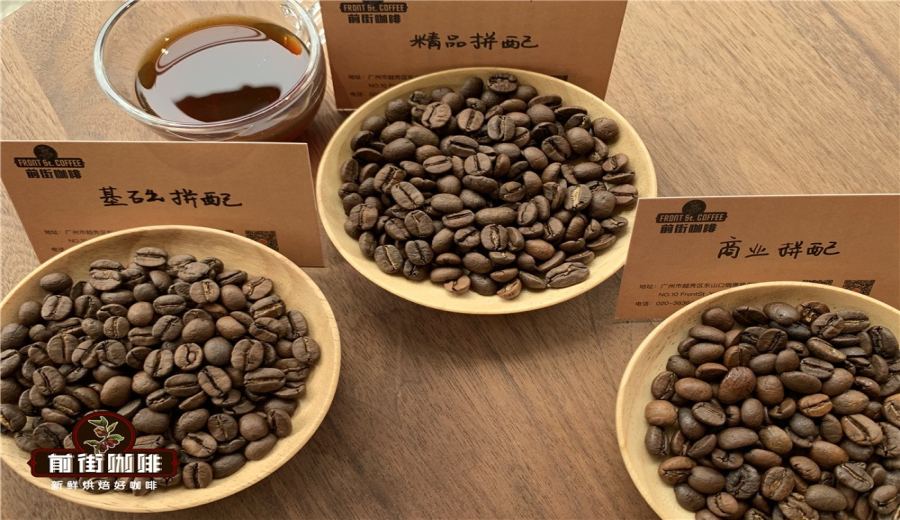
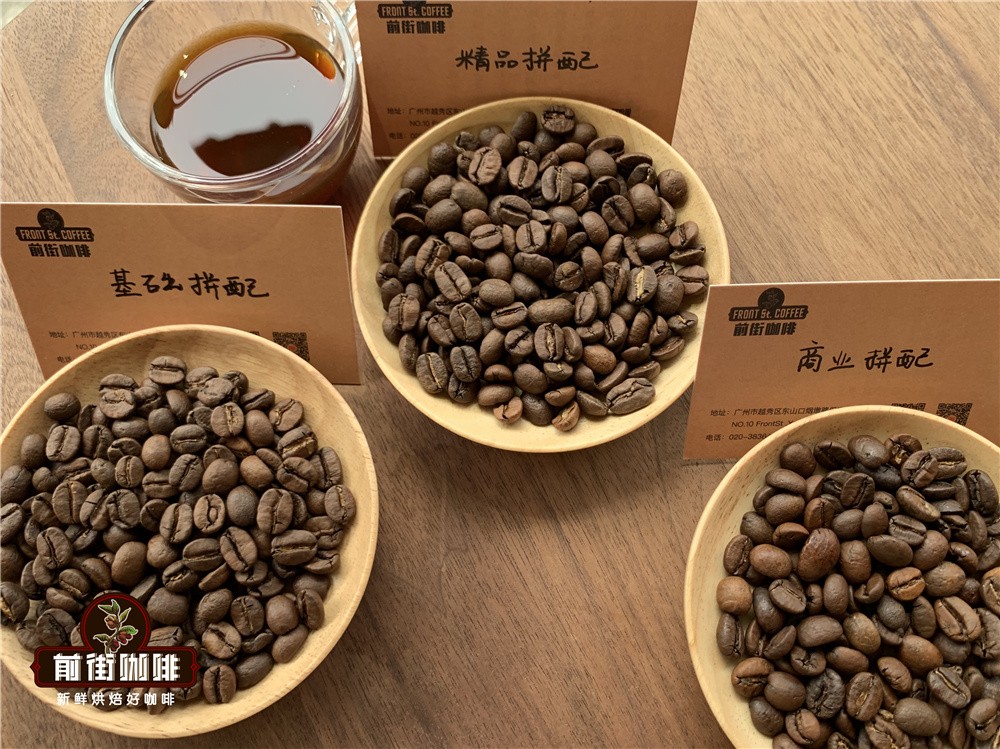
As the world’s top coffee-producing nation, Brazilian coffee is famed for its rich, smooth body, low acidity, and well-balanced layers, making it especially suitable as the base for espresso blends. Many renowned espresso recipes—such as classic dark cocoa blends, specialty blends, and commercial blends—feature Brazilian beans as their core component. These coffees typically have gentle acidity and a full mouthfeel, are suitable for heavy roasting and extraction, and serve as the unsung heroes behind many cafés.
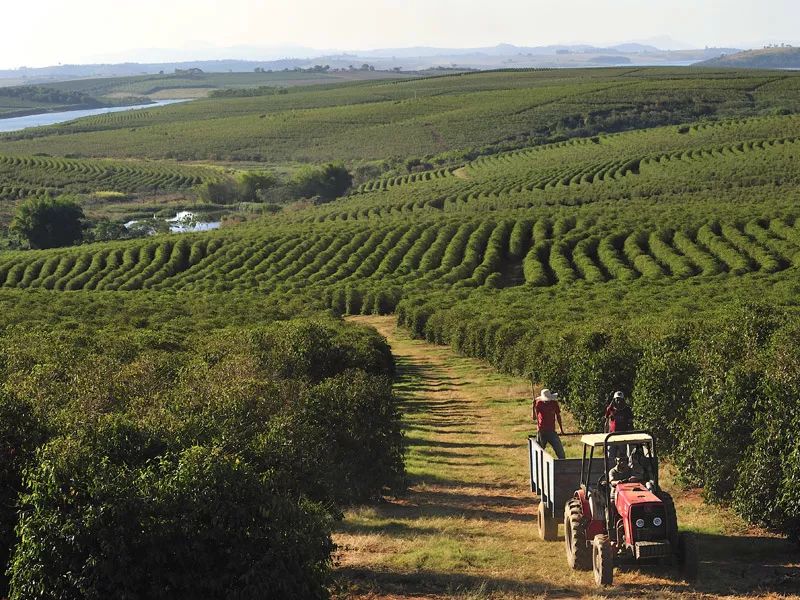
Most of Brazil’s coffee-growing areas are located in low-altitude plains and hills, unlike the high-altitude regions of Central and South America that can cultivate pronounced fruit acidity and complex aromas. However, this geographical environment endows Brazilian beans with intense sweetness, nutty tones, and chocolatey flavors. Additionally, due to the flat terrain, Brazil can adopt large-scale mechanical harvesting, effectively reducing production costs and improving overall efficiency.
The history of Brazilian coffee dates back to 1720, when it was first introduced from French Guiana—back then, Brazil was still a Portuguese colony, while most other South American countries were under Spanish influence. Legend has it that a Portuguese officer managed to win the favor of the governor’s wife in Guyana and successfully brought coffee seeds into Brazil, thereby rewriting the agricultural history of the nation. Coffee gradually spread from the north to the southeast, taking root especially in São Paulo state. By 1845, Brazil accounted for 45% of the global coffee market share, becoming the economic lifeline of the region.
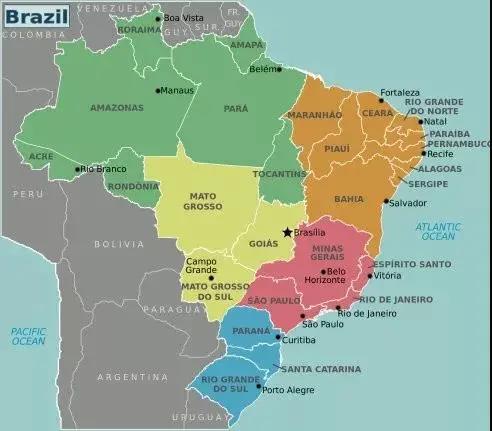
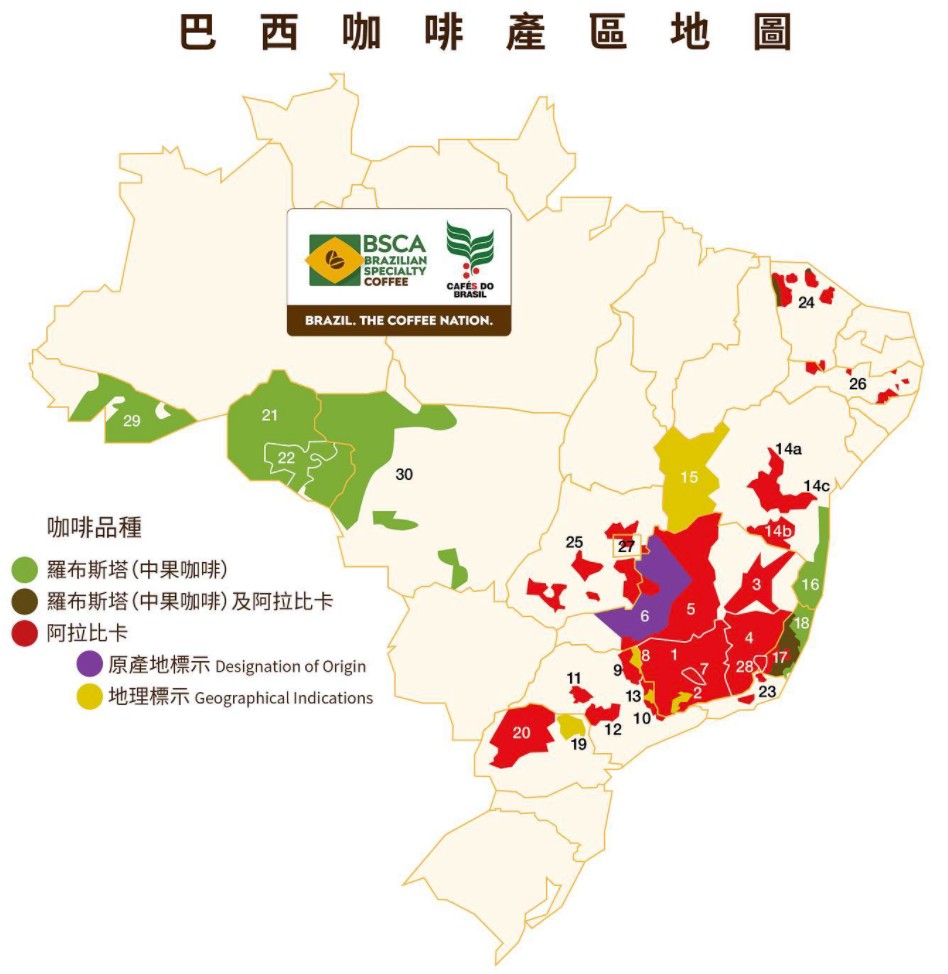
Brazil’s coffee-growing regions can be divided into two main types: highlands and plains, each with distinct characteristics. Areas above 500 meters in the Brazilian Highlands and those below 200 meters in the plains offer different profiles. Out of the country’s 21 states, 17 produce coffee, but in reality, the top seven producing regions account for 98% of the national output, including São Paulo, Paraná, Bahia, Espírito Santo, Minas Gerais, Rondônia, and Rio de Janeiro. Among these, Minas Gerais, São Paulo, Bahia, and Espírito Santo together contribute 90% of the country’s coffee exports.
In the past, Brazil nearly monopolized the global coffee supply in the 1920s, but its market share gradually declined thereafter. Even so, some regions such as Minas Gerais and Espírito Santo continued to develop, and the Mogiana Railway Company was nationalized in 1952 due to financial issues. Currently, Brazil’s specialty coffee is primarily concentrated in three major regions: Mogiana, Cerrado, and Sul de Minas.
Sul de Minas is situated in a hilly area at elevations between 700 and 1200 meters, featuring distinct wet and dry seasons, significant day-night temperature variations, and abundant microclimates, making it highly suitable for the growth of varieties such as Bourbon and Yellow Bourbon. Since 1999, farms in the Sul de Minas region have frequently won awards in Brazil’s Cup of Excellence auctions, highlighting their quality potential.
Minas Gerais is a pillar of Brazil’s coffee industry, encompassing four major regions: Cerrado, Sul de Minas, Chapada de Minas, and Matas de Minas. Among them, the Cerrado (also known as Cerrado Mineiro or simply Cerrado) region is located in western Minas Gerais, at altitudes between 750 and 1200 meters, but true “Cerrado coffee” must come from the premium zone at 1100 to 1300 meters. This area has fertile soil and stable climate conditions, producing beans that typically exhibit high sweetness and a full body, with almost no earthy taste, making it a preferred choice among many roasters.
Cerrado is a flat highland region suitable for large-scale farming and mechanized management, with many coffee farms exceeding 10 hectares in size. In contrast, the mountainous forested areas in southeastern Minas Gerais have even higher elevations and can also produce high-quality coffee, although the central-northern parts mostly focus on commercial-grade beans. São Paulo state is known for its Mogiana region, which saw the development of its coffee industry driven by the construction of the Mogiana Railway in 1883. At elevations of 900 to 1100 meters and with a mild climate, the coffee here offers a balanced flavor with sweet notes, and is predominantly hand-harvested.
The Mogiana region, close to southern Minas Gerais, features diverse terrain with both shrubland and grassland. Many coffee farmers operate family-run farms, combining traditional and modern techniques to produce uniquely flavored beans. A well-known café’s Queen Estate coffee comes from this area, celebrated for its sugarcane-like sweetness and excellent balance.
Brazil’s coffee grading system differs from that of other producing countries, as it does not emphasize the concept of high-altitude hard beans. Instead, grading is based on green bean size, defect rate, cupping score, and overall flavor. Inspection agencies typically take a 300g sample and evaluate it based on defect count, bean size, and cupping results. As a result, each batch’s grade is clearly labeled on the sack—for example, “Brazil NY.2 SC – 17/18 FC Cerrado” indicates the beans are from the Cerrado region, with bean size between 17 and 18 mesh, a soft characteristic (SC), excellent cup quality (FC), and a defect level classified as NY.2.
Brazil’s defect grading follows the New York standard (NY), where NY.2 is the highest grade, indicating an extremely low proportion of defective beans, while NY.1 represents completely defect-free beans, though it is not commonly listed as a standard grade due to supply instability. Cupping flavors are categorized as Strictly Soft (very soft), Soft, Softish, Hard, and Rioy, with SC being the best. Cup quality is also graded as Fine Cup (best), Good Cup, Fair Cup, Poor Cup, and Bad Cup.
In terms of varieties, Brazil primarily grows Arabica and Robusta. Arabica specialty beans are concentrated in Minas Gerais and São Paulo, while Robusta is more common in Espírito Santo, Bahia, and Rondônia. Common Arabica varieties include Red Bourbon, Yellow Bourbon, Mundo Novo, and Catuai. Bourbon is an ancient variety with dense, tightly packed cherries, outstanding sweetness, but higher environmental demands, requiring shade cultivation. Yellow Bourbon is a hybrid of Bourbon and Yellow Fruit Typica, with unusually yellow-colored cherries when ripe. It has won multiple awards in Brazil’s Cup of Excellence competitions, offering delicate and refined flavors.
Catuai is a dwarf coffee tree hybrid developed in the 1950s from Yellow Caturra and Mundo Novo. It adapts well to various altitudes, performing particularly well above 800 meters, and comes in red and yellow fruit types. Mundo Novo is a natural hybrid of Bourbon and Sumatra, with strong environmental adaptability and disease resistance. Although it yields high, its trees exceed 3 meters in height, making mechanical harvesting difficult. Regular pruning is required to maintain yield and quality.
Brazil’s pulped natural processing method (also known as honey process or semi-washed) is a local specialty. It involves removing the coffee fruit’s skin and pulp but retaining the mucilage layer for sun drying. This allows precise control over fermentation levels, resulting in greater stability compared to traditional sun-drying, and avoids the water usage and fermentation in tanks required by washed processing. This method, situated between natural and washed processes, imparts a rounder mouthfeel and richer sweetness to the beans. Common flavors include nuts, cocoa, chocolate, and toasted bread, with low acidity and a balanced profile, making it widely used in espresso blends as a foundational flavor and stabilizing agent.
If you wish to brew Brazilian coffee at home, the pour-over drip method is recommended to fully highlight its full-bodied and low-acid characteristics. Suggested parameters are as follows: use a Kono filter, water temperature around 88°C, 15g of coffee, a 1:15 coffee-to-water ratio, and medium-fine grind (approximately 75% passing through a Chinese standard 20-mesh sieve). This will extract a golden-rich crema with hazelnut and intense cocoa aromas. When brewed as Americano, it is rich and bold, and when paired with milk, it delivers a silky-smooth texture.
Brazilian Cerrado coffee often features flavors of nuts, caramel, peanuts, and chocolate, with low acidity and a smooth mouthfeel. Queen Estate coffee, meanwhile, offers subtle lemon notes, prominent nuttiness in the mid-palate, and a rich dark chocolate finish, presenting a clean and rounded profile overall. Regardless of which you choose, it is recommended to select freshly roasted beans within five days of roasting and allow them to rest for 4 to 7 days to reach peak flavor. While pre-ground coffee powder can be brewed immediately, its flavors deteriorate quickly—opt for whole beans and grind them fresh for the best experience of Brazilian coffee’s unique charm.
The above content is compiled by CoffeeHunters, a coffee news website.


