







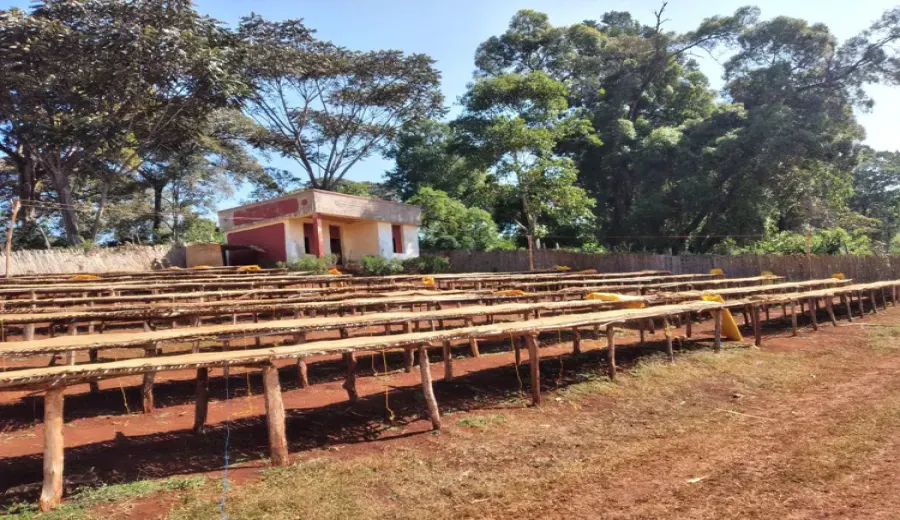
Introduction:Gain an in-depth understanding of the production region behind a well-known brand’s Yirgacheffe Natural Red Cherry, the operational model of the Red Cherry Project, and the light roast curve specially designed to highlight its floral and fruity characteristics. From the growing environment and grade classification to cupping flavors, this guide provides a comprehensive overview of the flavor profile and brewing potential of this classic Ethiopian bean.
Yirgacheffe is renowned as the go-to entry point for specialty coffee, and a certain brand’s Yirgacheffe Natural Red Cherry beans are especially favored for their excellent value and distinctive flavor. This article will systematically analyze the complete production chain of these coffee beans, starting with the region’s characteristics, grading system, and the origin and execution of the Red Cherry Project. It also documents in detail the light roast curve and actual cupping performance carefully planned by the brand’s roasters to emphasize its floral and fruity notes, helping coffee enthusiasts deeply understand the logic behind the flavors.
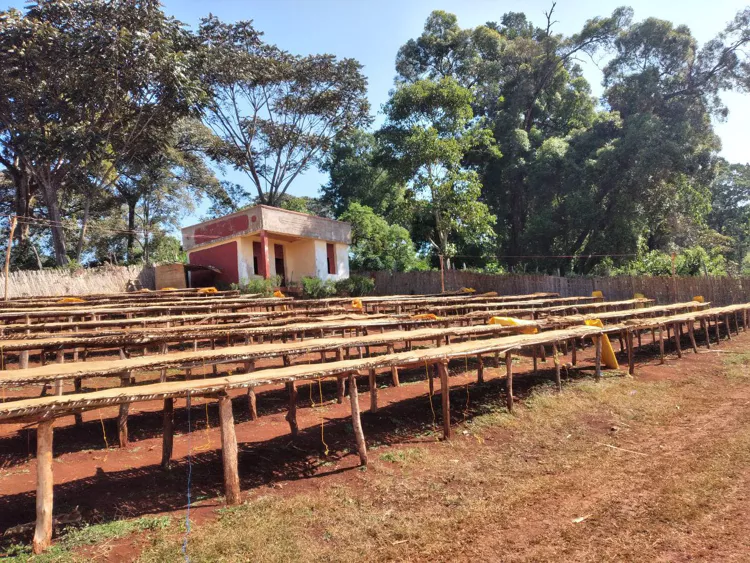
Yirgacheffe is located in Ethiopia’s southern Gedeo Zone, at an altitude between 1,700 and 2,100 meters. Originally part of the Sidamo region, it gradually became distinct due to its unique processing methods and bold flavors, eventually forming its own independent region. The surrounding micro-regions—including Wenago, Kochere, and Gelena Abaya—produce coffees with similar flavor profiles, among which Kochere is also classified under this category. The entire region consists of 28 small cooperatives, predominantly practicing smallholder farming, with coffee trees often grown in home gardens or intercropped with other plants.
In the early days, Yirgacheffe used traditional African natural (dry) processing methods. Later, washed processing techniques were introduced from Central and South America, significantly enhancing the brightness of the acidity and the clarity of floral and fruity aromas. Washed Yirgacheffe produced by a local cooperative is a prime example, featuring delicate floral notes, vibrant citrus acidity, and a refreshing green tea-like aftertaste.
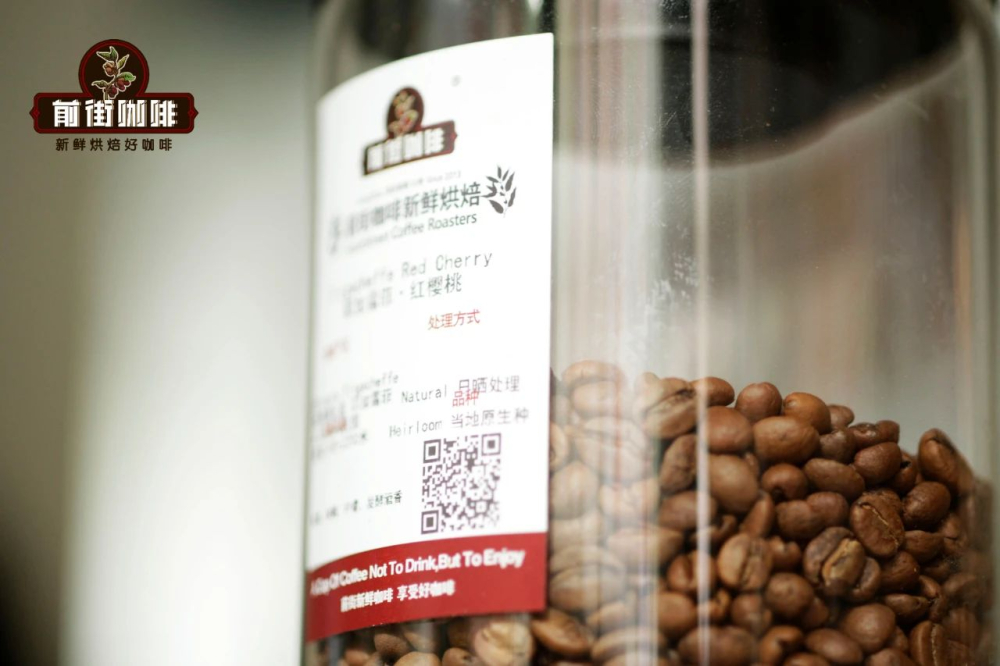
Yirgacheffe coffee is divided into two main categories based on processing methods: washed (Category A) and natural (sun-dried, Category B). Washed beans are graded as Gr-1 and Gr-2 according to the Specialty Coffee Association of America (SCAA) standards, with lower numbers indicating higher quality. A certain brand’s G1 washed Yirgacheffe is celebrated for its blend of citrus and floral notes, offering a bright and pleasant flavor. Natural beans are further subdivided into Gr-1, Gr-3, Gr-4, and Gr-5, among which G1 natural Yirgacheffe boasts intense fruitiness that can instantly transform one’s perception of coffee, demonstrating that coffee can inherently exhibit fruit-like flavor characteristics.
Due to differences in processing methods, Yirgacheffe beans are not entirely uniform in size, but most are of local heirloom varieties, typically small in size, ranging between 14 and 15 mesh, with a round shape but smaller volume.
The Red Cherry Project (ORC) is a significant initiative dedicated to improving the quality of coffee produced by smallholder farmers. Launched in 2007 by Dutch trader Trabocca in collaboration with local farmers, its full English name is “OPERATION CHERRY RED PROJECT.” The project encourages farmers to focus on harvesting 100% ripe red cherries, with each microclimate zone yielding approximately 1,500 to 3,000 kilograms, and employs strict screening to elevate overall quality.
The Red Cherry Project covers not only natural beans but also washed, semi-washed, honey-processed, and experimental processing methods, spanning regions including Yirgacheffe, Sidamo, the Pungo Forest, Lekempti, Kembata, Illubabor, Harrar, and Limu. After 2011, it expanded to include the Golocha region near Harrar. Trabocca conducts dual cuppings in Ethiopia’s capital, Addis Ababa, and Amsterdam, Netherlands, admitting only farms that score 88 points or above, which then receive premium purchase prices and bonus incentives.
The project also provides financial loans, new equipment, and technical training to help farmers optimize their production processes. Harvested coffee beans are immediately packaged in GrainPro bags or vacuum-sealed boxes to ensure optimal freshness during transport. This rigorous quality control—from origin to roaster—enables coffee businesses to obtain high-quality green beans and has also elevated the reputation and market price of Ethiopian coffee internationally.
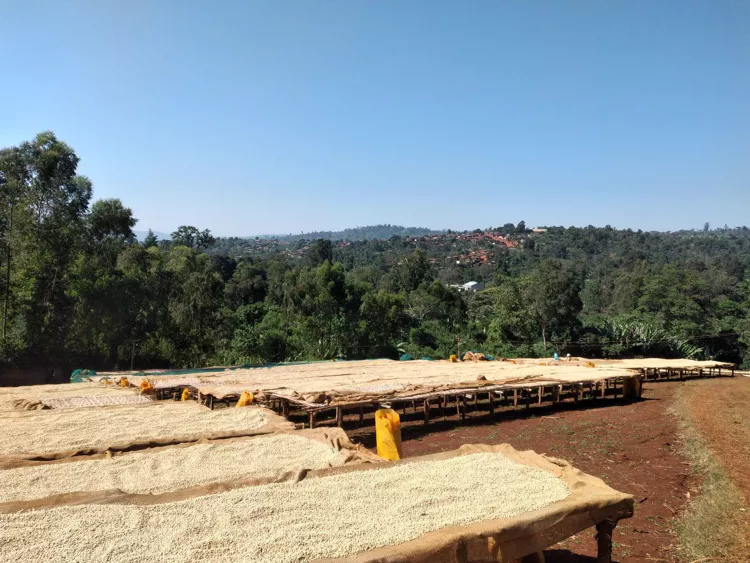
A certain brand’s Red Cherry Natural beans from this project impart Yirgacheffe with distinct berry notes and rich fermentation layers. Its sweet fermentation aroma is not overshadowed by other blend beans, and when paired with the brand’s sherry coffee beans, it maintains a balanced flavor profile, resulting in a long-lasting aftertaste and full sweetness, accompanied by chocolate, vanilla, cream, and subtle wine notes. The overall body is moderate, and the mouthfeel is clean and smooth.
To highlight the bean’s natural floral and fruity characteristics, a certain brand’s roasters used a Yangjia 600g semi-direct-fire roaster to design and test three roast curves, ultimately settling on a light, slow roast to achieve the best flavor. The specific parameters are as follows: charge temperature 200°C, airflow set to 3.5; after 1 minute, reduce heat to 160°C, keeping airflow unchanged; at 148°C, adjust heat again to 130°C, reaching 151°C at 5 minutes 03 seconds, when the bean surface turns yellow and grassy notes fully dissipate, completing the drying phase; then adjust heat to 105°C and increase airflow to 4. Around 8 minutes, the bean surface shows wrinkles and dark spots, transitioning from a bread-like aroma to a coffee fragrance, marking the prelude to first crack; at 9 minutes 07 seconds, first crack begins, at which point heat is reduced to 70°C and airflow is fully opened, carefully controlling the flame to prevent the cracking sound from disappearing, finally dropping at 194°C.
A certain brand’s Yirgacheffe beans deliver impressive cupping results: the dry aroma releases rich fruit notes, including strawberry, mango, and thick apricot jam flavors; the wet aroma is syrupy, with complex scents of apricot puree and honey chocolate. On the palate, the body is medium, with bright and lively acidity, and the overall flavor is as refreshing as fruit black tea, with rich layers and a long-lasting finish.
The above content is compiled by CoffeeHunters, a coffee news website.


