







Introduction:Indonesian Mandheling coffee boasts a rich and distinctive flavor profile, but the market offers a wide variety—from Lintong and Tiger to aged and Golden Mandheling, each representing different growing regions and processing methods. Among them, Golden Mandheling is highly acclaimed for its stringent selection and clean flavor. But how can you identify the genuine article? This article delves into the characteristics of Indonesia’s main Mandheling offerings, explains the selection criteria and processing background of Golden Mandheling, and provides practical roasting and pour over parameters to help you better understand this classic coffee.
When it comes to Indonesian coffee, “Mandheling” is almost synonymous with the country’s coffee identity. But did you know that Mandheling actually originates from the name of an indigenous ethnic group in Indonesia? Legend has it that after World War II, Japanese soldiers couldn’t forget the local coffee, but due to a language barrier, they misheard the locals’ term “Mandailing” as “Mandheling.” Since then, this name has become closely associated with the highland coffee of Sumatra.
Indonesian coffee is known for its full-bodied and bold flavor, which is closely related to the “wet hulling” (Giling Basah) processing method commonly used there. This method was developed to suit Sumatra’s rainy and humid climate. It helps preserve the coffee’s intense body and low acidity while imparting unique spicy and herbal notes.
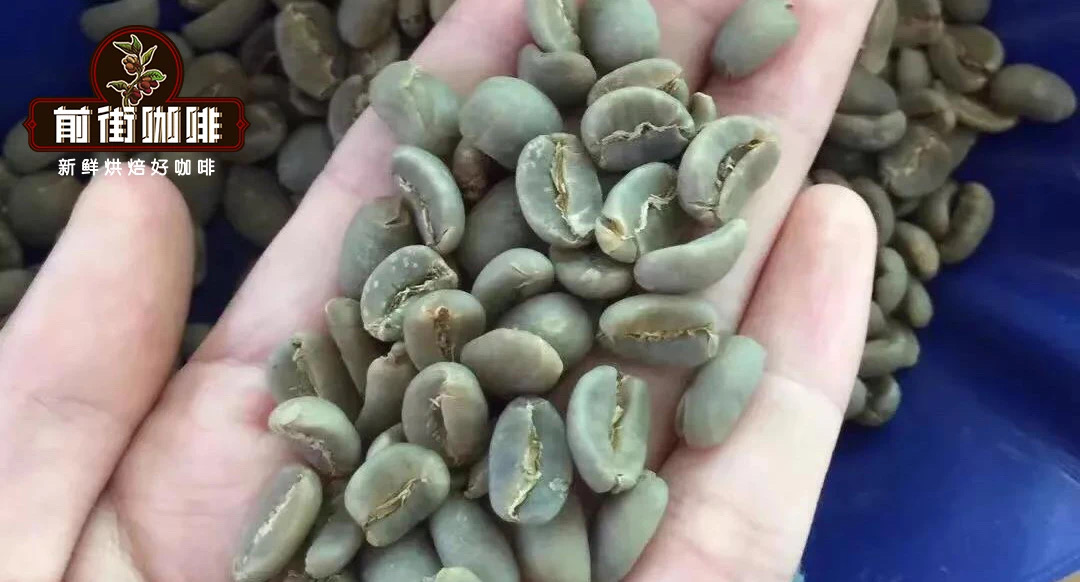
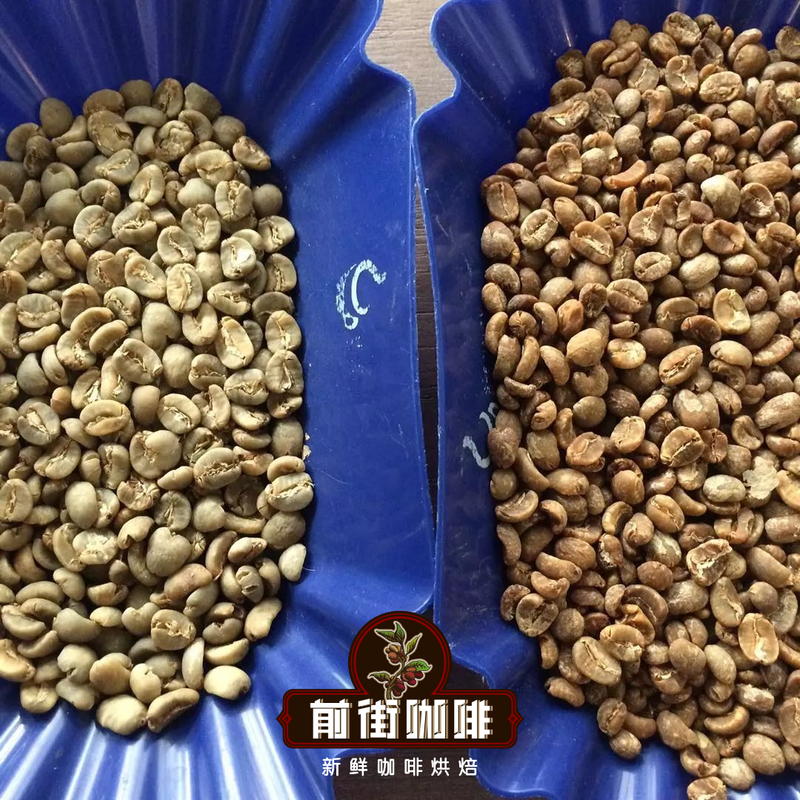
Among the many types of Mandheling, “Lintong Mandheling” is one of the most common, grown in the Lintong region of north-central Sumatra near Lake Toba. This coffee also uses the wet hulling process and exhibits low acidity, high body, and prominent herbal and chocolate notes. However, because the beans are hulled before they are fully dried during processing, the “elephant ear” phenomenon is common—visible cracks on the bean surface that may look like defects but are actually a characteristic of this type of Mandheling.
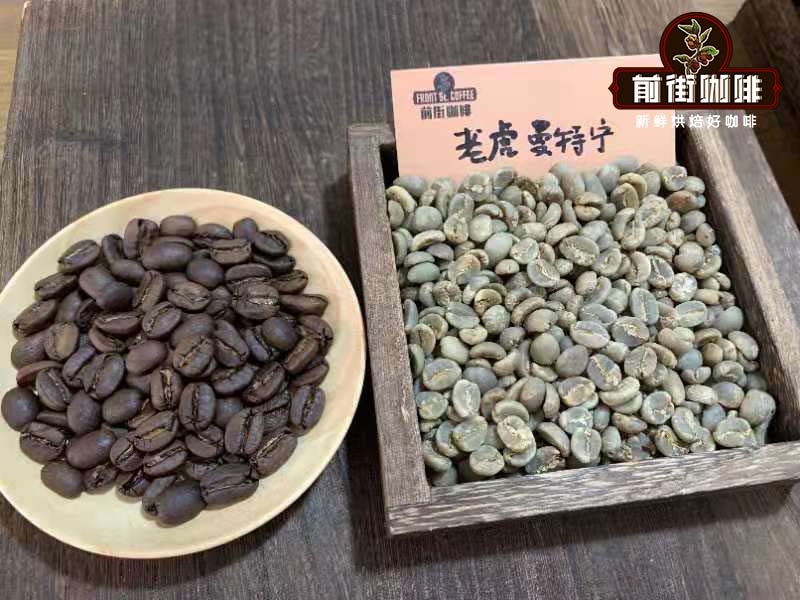
Another often-mentioned variety is “Tiger Mandheling,” named for its strict quality requirements: beans must be size 17 or larger, with a defect rate below 4%, and must emit an aroma reminiscent of traditional Chinese medicine. These Mandhelings are mostly grown by smallholder farmers, with limited yields, but they offer complex flavor layers, often featuring notes of nuts, cream, and dark chocolate, with a clear sweetness.
If you want to experience the depth that time imparts to coffee, “Aged Mandheling” is a special choice. This type of coffee needs to be properly stored for 2 to 3 years in a cool, ventilated environment, away from sunlight and moisture. Over time, the acidity gradually decreases, and the flavor becomes rounder and fuller, sometimes even developing complex aftertastes reminiscent of leather, jute bags, or Pu-erh tea—similar to the aging layers found in fine wine.
As for the most celebrated “Golden Mandheling,” its origin is closely tied to the Japanese market. Japanese buyers have a particular fondness for Mandheling, and in their pursuit of higher quality, they collaborated with Indonesian green bean suppliers to establish an extremely rigorous selection system: including density sorting, color sorting, and multiple rounds of manual handpicking. In the end, only top-grade beans with intact shape, uniform color, and minimal defects are retained. It’s said that these carefully selected beans glisten with a golden hue under sunlight, hence the name “Golden Mandheling.”
Authentic Golden Mandheling must meet specifications of size 18 or larger, with no more than 3 defective beans per 300-gram sample, placing it in the highest grade category: G1. These beans are typically dark green and flat in shape. After undergoing strict selection, not only are off-flavors minimized, but the sweetness and aftertaste also become more pronounced, especially featuring a clean, sugarcane-like sweetness.
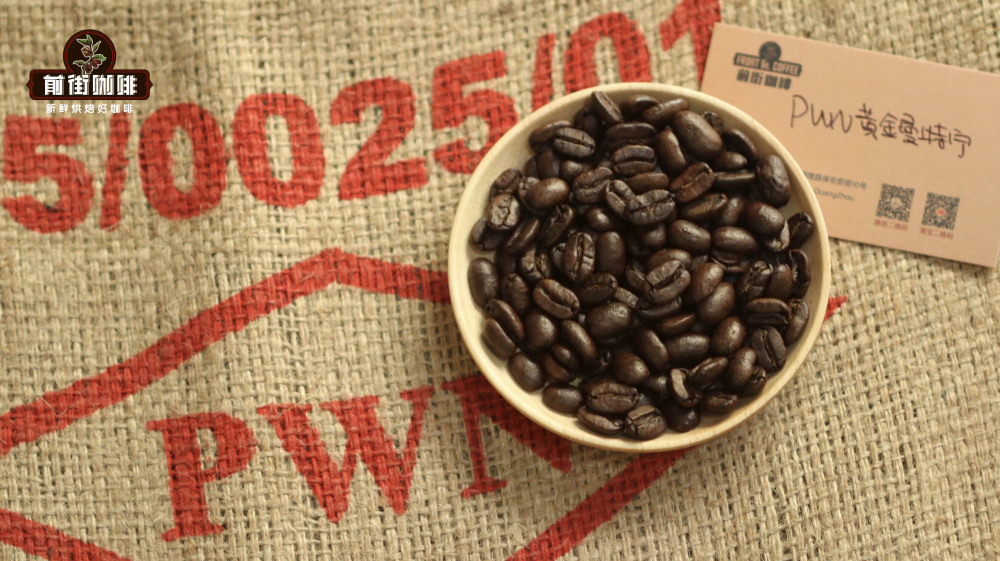
It’s worth noting that the trademark for “Golden Mandheling” does not belong to any Japanese company, but rather to the local Indonesian company PWN (Pwani Coffee Company). The Japanese company at the time registered the name “Gold Top Mandheling (鼎上黄金曼特寧).” Although the two share similar flavor profiles, differences in branding and marketing strategies mean consumers should pay attention to the packaging or accompanying origin certificates when purchasing, to confirm whether it’s the authentic PWN version of Golden Mandheling.
Due to PWN’s limited annual production, many so-called “large-bean premium” Golden Mandhelings on the market may not actually come from PWN. It’s recommended that consumers ask sellers to show the original burlap sack or relevant certification documents to ensure they’re getting genuinely high-quality Golden Mandheling.
Indonesian Mandheling generally employs the “wet hulling” method, a unique process developed locally to adapt to the rainy climate and economic conditions. First, harvested coffee cherries are depulped, the mucilage is partially removed, and the beans undergo initial fermentation. Then, while still in a semi-dry state (with around 30%–50% moisture content), the parchment and mucilage layers are removed. Finally, the beans are dried further until their moisture level reaches 12%–13%. This method enhances the coffee’s body and low acidity, and imparts distinctive spicy and earthy flavors.
In terms of roasting, to fully showcase the sweetness and body of Golden Mandheling, a medium-to-dark roast is recommended. Roasting to the latter part of first crack, dropping the beans at around 204.5°C, achieves the best balance: bold yet clear, with both sweetness and lingering aftertaste.
If you prefer pour over, we recommend using a KONO filter cone with a medium-coarse grind (e.g., a 1:15 coffee-to-water ratio), and water temperature controlled at around 88°C. For brewing, a three-stage pouring method is advised: start with a 40g bloom for 30 seconds, followed by 120g and then 100g pours. The total extraction time should be around 2 minutes, which effectively highlights the nutty, spicy, and licorice layers of Golden Mandheling, delivering a clean and long-lasting flavor.
In summary, Indonesian Mandheling offers a diverse range of flavor profiles depending on the region and processing method: Lintong Mandheling is balanced and full-bodied, Tiger Mandheling has unique aromas, Aged Mandheling is deep and complex, and Golden Mandheling stands out for its stringent selection and high sweetness. Understanding these differences and the processing logic behind them will help you select, brew, and appreciate this classic coffee from Sumatra more precisely.
The above content is compiled by CoffeeHunters, a coffee news website.


