








Introduction:Did you know that the name "Arabica" actually stems from a historical misunderstanding? This article starts with the origin of its scientific name and takes you through how this globally most popular specialty coffee variety was misidentified in terms of origin. It also delves into the characteristics of six classic producing regions including Ethiopia Yirgacheffe, Kenya, Brazil, Indonesia Mandheling, Panama Geisha, and China Yunnan. With detailed flavor descriptions and practical purchasing advice, whether you’re a beginner or an advanced coffee enthusiast, you’ll find bean options tailored to your taste.
The scientific name “Arabica” hides a misunderstanding that has persisted for centuries. Many assume “Arabica” refers to an Arabian variety, but its true origin is Ethiopia in Africa. This small-beaned coffee variety, widely cultivated and known for its delicate flavors, earned the name “Arabian variety” due to early Europeans’ mistaken understanding of coffee’s origin.
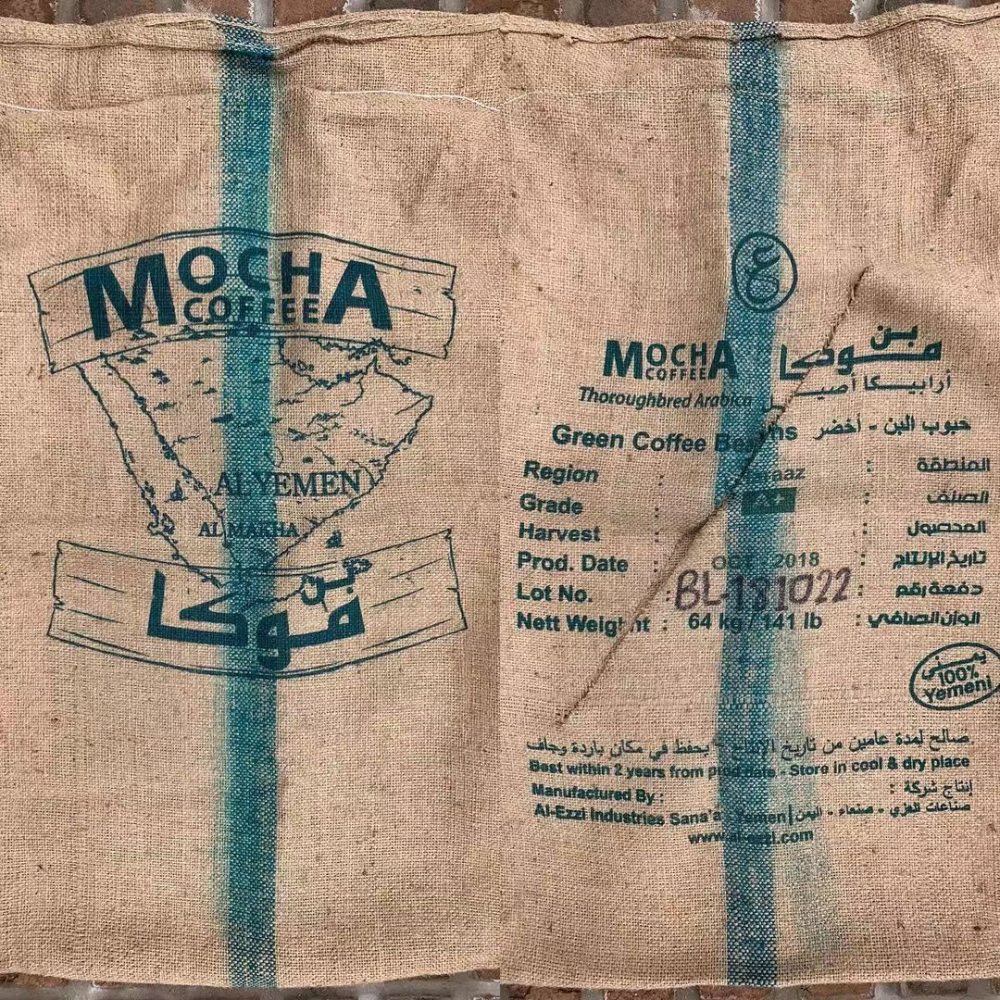
As early as the 9th century, there were records of coffee plants, but it wasn’t until around 1400 that people began using coffee cherries as beverage ingredients. Between the 17th and 18th centuries, coffee spread to Europe and quickly became the continent’s “spiritual drink.” However, at the time, most people mistakenly believed that coffee came from the Arabian region, particularly the Yemeni port of Mocha. Since most coffee beans were exported through the Port of Mocha, sacks were labeled with the word “Mocha,” leading Europeans to think the beans originated from Arabia.

In reality, Arabica coffee was first discovered in Ethiopia’s Kaffa Forest, but that area had long been isolated, making it difficult for outsiders to enter. As a result, little was known about its actual origin. Coupled with the influence of the Port of Mocha, the misconception that “coffee comes from Arabia” became deeply rooted.
In 1753, Swedish botanist Carl Linnaeus first scientifically classified coffee in his work “Species Plantarum” and named this bean—believed to be from Arabia— Coffea arabica L., which is the “Arabica” we know today. Had Linnaeus known its true origin was Ethiopia, the scientific name might have been Coffea ethiopica. This naming has been used ever since, becoming a beautiful misunderstanding in the world of coffee.
Next, we’ll take you to explore several representative Arabica coffee-producing regions worldwide. From flavor profiles to processing methods, we’ll help you better understand the uniqueness of each bean and offer useful purchasing references.
Ethiopia Yirgacheffe
Yirgacheffe can be considered an entry point for many beginners to specialty coffee. Originally a sub-region under Ethiopia’s Sidamo region, it stood out due to its unique flavor profile and even led surrounding regions to sell their beans under the “Yirgacheffe” name. Eventually, it became an independent producing region.
Yirgacheffe is known for its bright acidity, clean mouthfeel, and elegant floral notes, often described as a “bloom of flowers” flavor experience. Common tasting notes include citrus, black tea, floral aromas, along with creamy and caramel undertones, making it a representative of complex flavor layers.
Yirgacheffe Guddina
Region: Ethiopia Yirgacheffe
Cooperative: Guddina Cooperative
Elevation: 2000m~2100m
Variety: Local landrace
Processing Method: Washed process
Flavor: Citrus, black tea, floral, cream, caramel, almond
In addition to showcasing typical Yirgacheffe characteristics, this bean also offers a tea-like quality paired with citrus acidity, refreshing like lemon tea. It’s ideal for coffee lovers who enjoy fruity acidity and floral notes.
Kenya
Kenyan coffee is hailed as the jewel of African coffee. Its iconic SL28 and SL34 varieties are known for their intense acidity and rich mouthfeel. These two varieties were selectively bred by the Kenya National Agricultural Laboratories and are particularly suited to high-altitude cultivation.
What Kenyan coffee is most famous for is its blackberry-like acidity, closely related to the phosphate-rich soil and the K72 washed processing method. The K72 method involves multiple fermentations and washes, bringing out clearer and more vibrant flavors.
Kenya Cherry Tomato Coffee Beans
Region: Kenya Thika
Processing Mill: Asali Mill
Elevation: 1550m~1750m
Variety: SL28, SL34
Processing Method: K72 washed process
Flavor: Pear, dark plum, brown sugar, cherry tomato, plum
This bean offers bright flavors with balanced acidity and sweetness, suitable for those who enjoy prominent fruit notes.
Brazil
As the world’s largest coffee producer, Brazilian coffee is known for its low acidity and rich flavors of nuts and chocolate. Due to relatively lower planting altitudes and the prevalence of sun-grown cultivation, Brazilian beans are softer in texture with a mild flavor, making them ideal for consumers who prefer less acidity.
Brazil Queen Estate
Region: Brazil Mogiana Region
Estate: Queen Estate
Elevation: 1400m~1950m
Variety: Yellow Bourbon
Processing Method: Natural (sun-dried) process
Flavor: Nuts, creamy peanut, cane sugar, fermented fruit
This natural-processed bean features intense sweetness and a full-bodied mouthfeel, suitable for those who enjoy milk-based coffee or prefer low-acidity flavors.
Indonesia
Among Indonesian coffees, Sumatra’s Mandheling is the most well-known. Due to the region’s humid climate, the wet-hulled processing method is commonly used, resulting in low acidity, thick body, and herbal spice characteristics.
PWN Golden Mandheling
Region: Indonesia North Sumatra Aceh Gayo Mountains
Elevation: 1100m~1600m
Variety: Ateng
Processing Method: Wet-hulled process
Flavor: Spice, nuts, pine, caramel, herbs, chocolate
This bean has a rich mouthfeel and distinctive flavors, perfect for coffee lovers who enjoy bold and full-bodied profiles.
Panama
Panama’s Geisha variety gained fame largely through the promotion of Hacienda La Esmeralda. Its growing environment emphasizes high altitude, shaded cultivation, and fertile soil, producing refined floral and fruity acidity.
Hacienda La Esmeralda Red Label Geisha
Region: Panama Boquete
Estate: Hacienda La Esmeralda
Elevation: 1700+m
Variety: Geisha variety
Processing Method: Natural (sun-dried) process
Flavor: Citrus, jasmine, honey, berries
This bean is renowned for its elegant floral and fruity aromas along with gentle acidity, making it a dream coffee for specialty coffee enthusiasts.
China Yunnan
Yunnan is China’s main coffee-growing region. Though its planting history is relatively short, its quality has gradually gained recognition in the international market. Early plantings were of Typica, but later Catimor varieties were adopted due to yield and disease-resistance needs, becoming the mainstream.
2013 Yunnan Natural Typica
Region: China Yunnan Lincang
Estate: Yunnan Industry Estate
Elevation: 1300m
Variety: Typica
Processing Method: Natural (sun-dried) process
Flavor: Berries, brown sugar, nuts, tea-like
This bean showcases Yunnan coffee’s unique tea-like quality and fruity aroma, suitable for consumers who enjoy mild flavors.

The above content is compiled by CoffeeHunters, a coffee news website.


