







Introduction:The AeroPress and Moka pot are essential tools in the kitchens of many coffee enthusiasts, yet they differ significantly in brewing principles and the resulting flavor profiles. This article provides an in-depth analysis of their structural designs and operation methods, and through practical brewing comparisons, helps you understand which experience each is best suited for. It also details the parameters for making espresso, including dose, ratio, time, as well as how to steam milk to craft a smooth hot latte—helping you master professional coffee skills from the basics.
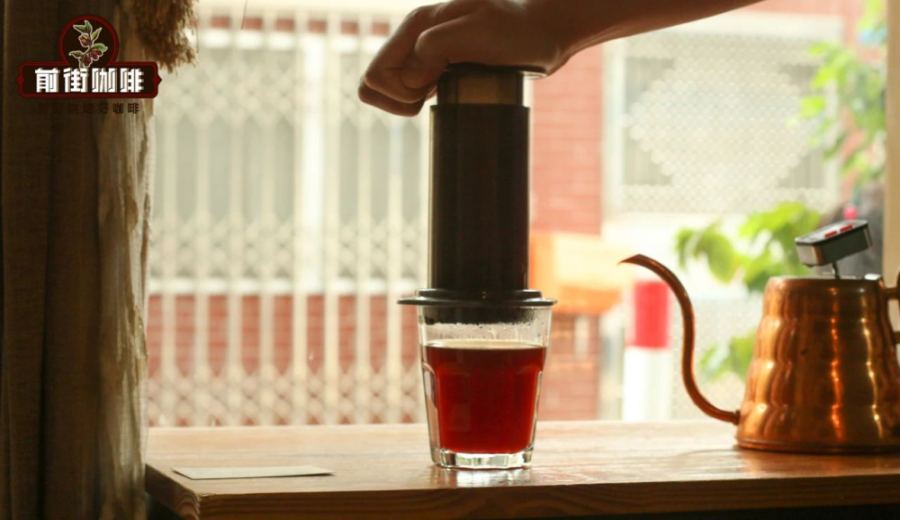
The AeroPress and Moka pot are two convenient brewing devices favored by many home coffee makers. However, although both can produce a cup of coffee quickly, their extraction logic and resulting flavor profiles are completely different. The AeroPress combines immersion, paper filtration, and pressure to extract a clean, balanced, and layered taste; whereas the Moka pot uses steam pressure generated by heating to draw out a rich and bold coffee flavor, similar in texture to traditional espresso.
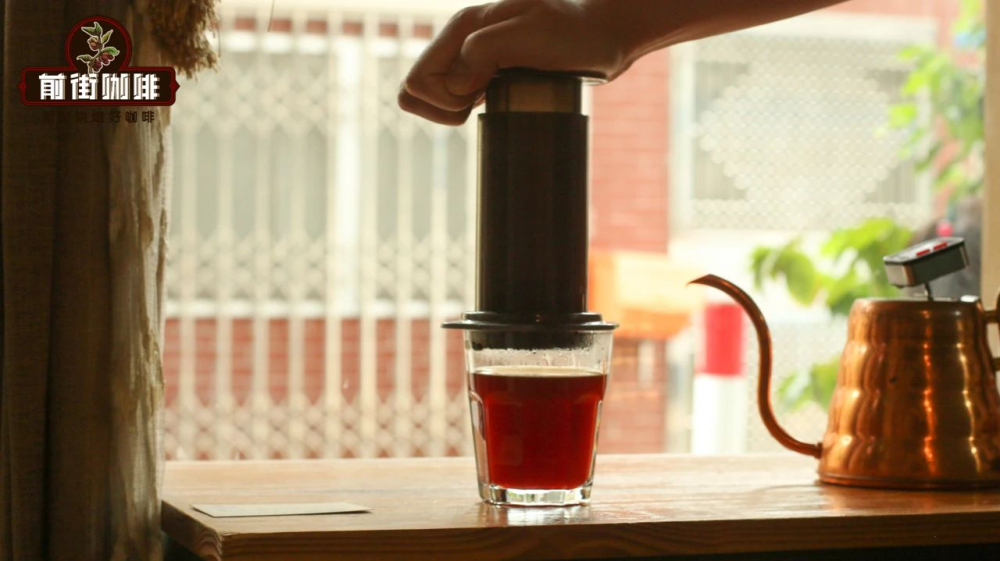
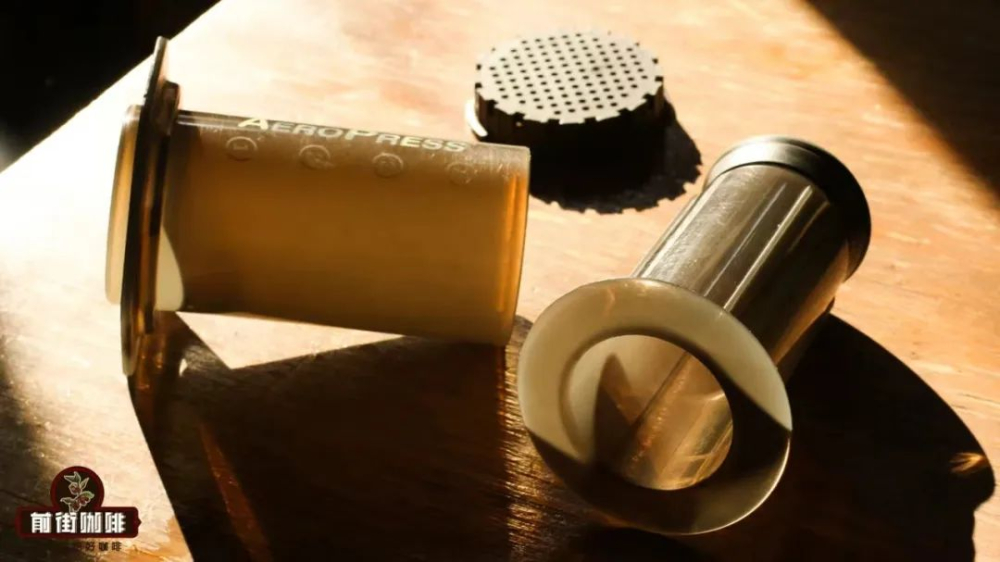
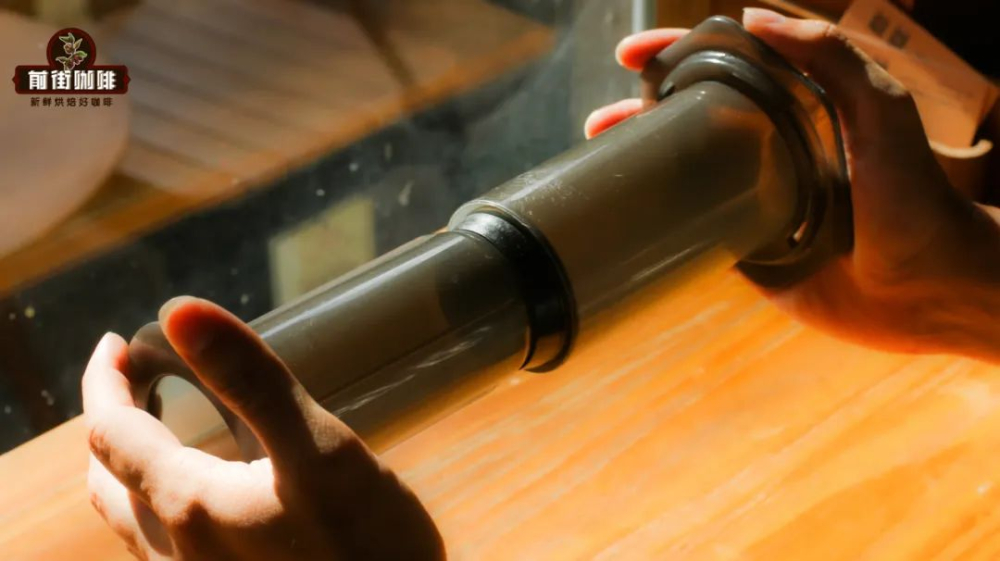
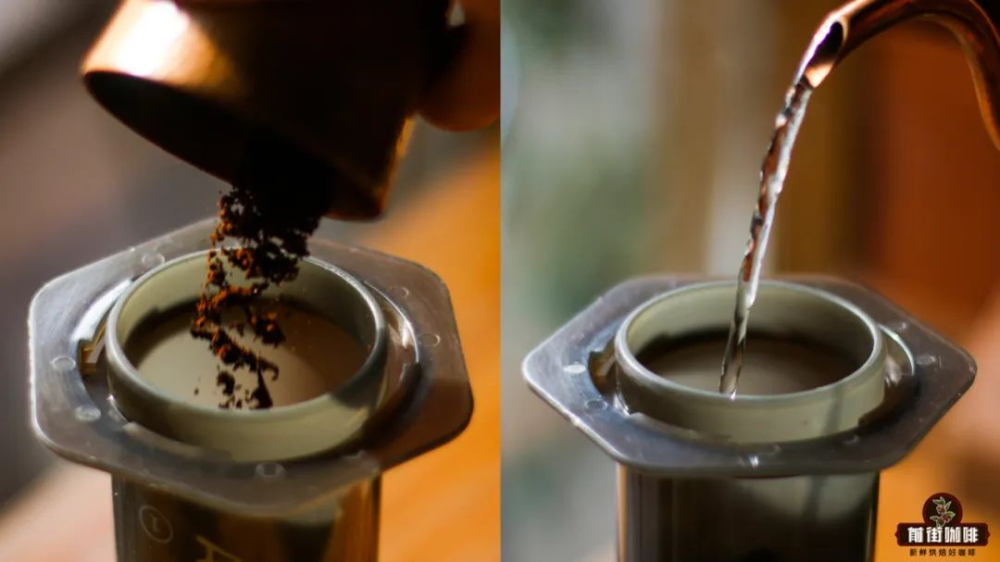
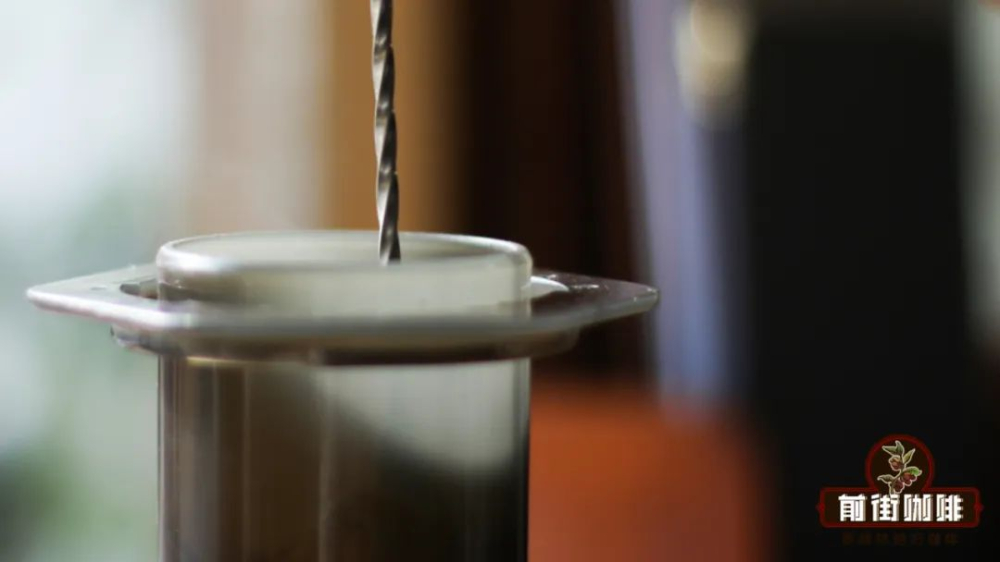
To better understand their differences, we can start with their basic structures and brewing methods. The AeroPress looks like a large syringe, and its operation incorporates the immersion concept of a French press, the paper filtration technique of pour over coffee, along with pressure extraction similar to espresso, allowing it to showcase multiple flavor layers—rich, bright, and mellow. This versatility makes the AeroPress an excellent tool for exploring different coffee flavors.
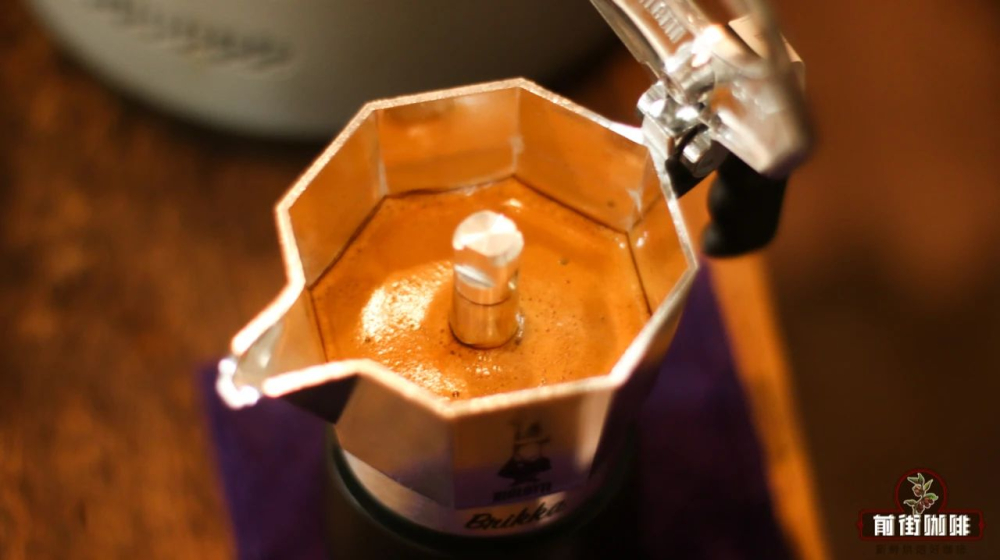
On the other hand, the Moka pot is a relatively simple yet functionally clear device. It mainly consists of three parts: the top chamber that holds the brewed coffee, the middle filter basket that contains the coffee grounds, and the bottom chamber for water and heating. When the bottom is heated, water turns into steam, creating pressure that pushes the hot water up through the coffee grounds in the middle basket, eventually forcing the extracted concentrated coffee into the top chamber. This pressurized process gives Moka pot coffee a noticeable body and strong flavor, making it ideal for those who prefer intense coffee profiles.
If using the same coffee bean for a practical comparison, the coffee brewed with the AeroPress typically appears clearer, with balanced acidity and sweetness, featuring bright fruity and floral notes; whereas the Moka pot version is more intense and full-bodied, with a blend of bitterness and sweetness, often accompanied by caramel and nutty aftertastes. These differences primarily stem from the varying pressure conditions and filtration methods of the two devices.
When it comes to the professional coffee realm, "espresso" is undoubtedly an indispensable foundation. This is a type of coffee liquid extracted under high pressure, characterized by a thick texture and a layer of golden crema. Espresso can be enjoyed on its own and also serves as the essential base for various classic coffee beverages such as lattes, cappuccinos, and mochas.
However, successfully brewing a good shot of espresso is not solely about applying high pressure. Grind size, water temperature, brew ratio, and extraction time are all critical factors influencing the final flavor. For home users, understanding these parameters is essential for effectively controlling extraction quality and avoiding over-extraction or under-extraction.
Taking the common double-shot portafilter basket as an example, it is recommended to use about 18~20 grams of coffee grounds, and the brew ratio is typically set at 1:2, meaning 20 grams of coffee grounds can yield 40 grams of coffee liquid. The extraction time usually falls between 20~35 seconds . A time that is too short (e.g., below 20 seconds) may lead to under-extraction, resulting in a weak flavor; exceeding 35 seconds can easily cause over-extraction, bringing out pronounced burnt bitterness. In practice, many professional shops aim to control the time within 28~30 secondsto achieve the best balance.
In terms of specific operation, first ensure the portafilter basket is dry and free of residual grounds. Then, use a grinder to grind the coffee beans to a fine consistency suitable for espresso, and accurately weigh out 20 grams of coffee. It is recommended to use a distribution tool to evenly spread the coffee grounds, then tamp them down vertically with a tamper to create a compact and level coffee puck. This helps improve extraction stability and consistency in flow rate.
Before starting the actual extraction, it is recommended to run water through the group head for 1~2 seconds to preheat it and also to remove any residual coffee grounds. Then place the preheated shot glass underneath, reset the electronic scale to zero, and prepare to record the extraction weight and time.
Place the tamped coffee puck into the portafilter, gently lock it into the group head, and start the extraction. At this point, observe the flow of the coffee liquid. When it accumulates to 40 grams and the time reaches approximately 30 seconds , you can turn off the extraction switch. A standard shot of espresso is now complete.
To make a hot latte, simply pour the freshly brewed espresso into a preheated cup, then use the steam wand of the espresso machine to froth the milk. It is recommended to keep the milk temperature between 55~65℃ —too high a temperature can damage the texture and flavor of the milk foam. When steaming, aim for fine, velvety microfoam with moderate thickness that blends perfectly with the coffee liquid. Finish with a simple latte art touch to enhance both visual appeal and flavor complexity.
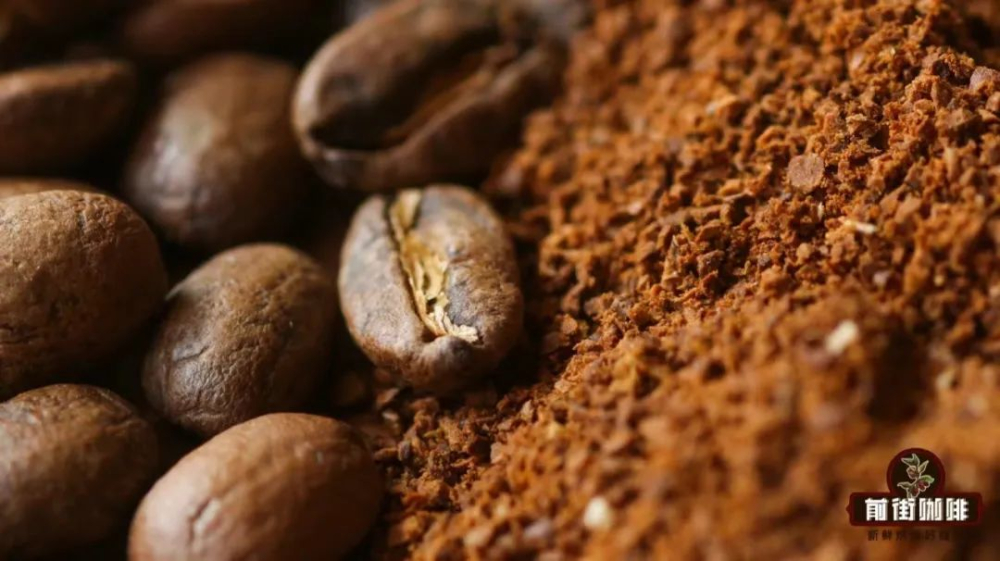
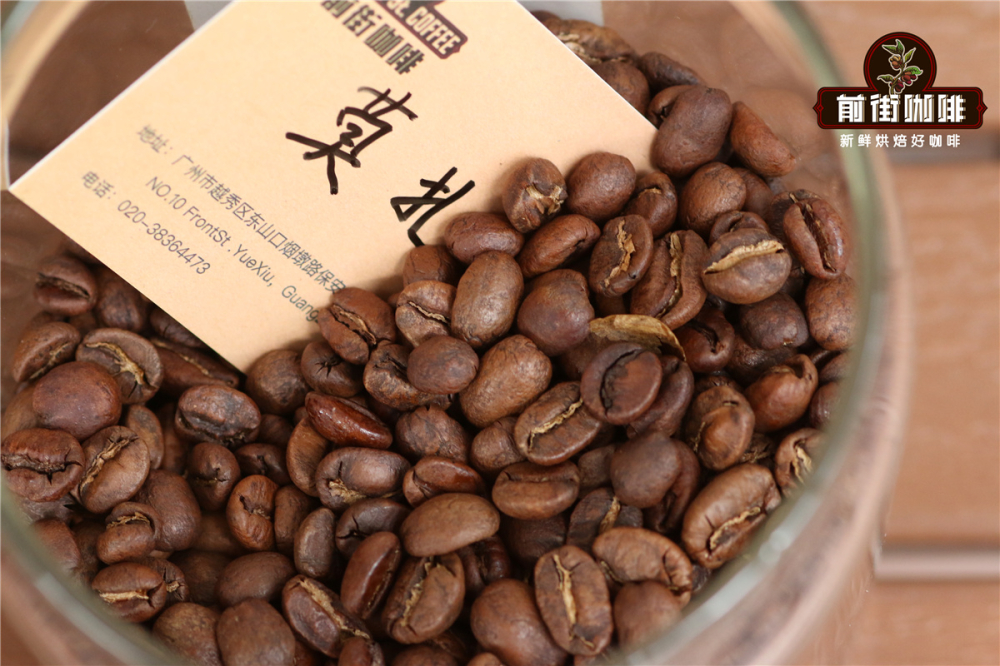
When selecting coffee beans, since espresso is extracted under high pressure and high temperature, overly light or dark roasts may lead to flavor imbalance. It is generally recommended to choosemedium roastbeans. Such beans typically exhibit richer profiles of fruitiness, caramel, chocolate, or nuttiness, and are more likely to achieve balanced results during extraction. For example, sun-dried Red Cherry with tropical fruit acidity, Papua Paradise Bird with mild hazelnut and cane sugar notes, Costa Rica Mozart with intense fermented aromas, or Brazilian Yellow Bourbon with chocolate and creamy textures—all are ideal choices for making espresso.

In summary, the AeroPress and Moka pot each offer unique brewing charm and suitable scenarios. The AeroPress is perfect for those seeking clean, clear flavor profiles and variety; the Moka pot can quickly deliver an espresso-like intense experience. If you want to further challenge yourself with professional-level coffee brewing, mastering the parameters and operational details of espresso will allow you to enjoy café-quality drinks at home.



The above content is compiled by CoffeeHunters, a coffee news website.


