








Introduction:Arabica coffee beans are the mainstream variety in specialty coffee, but did you know they’re actually just one of the three major coffee species? This article delves into the origins, characteristics, and challenges of Arabica, while also detailing the history, growing environments, cultivation difficulties, and typical flavor profiles of major varieties such as Typica, Bourbon, Caturra, and Catuai. This will help you understand coffee better at the varietal level and choose the beans that suit your taste the most.
When it comes to “100% Arabica,” many people may only know it as a synonym for high-quality coffee, but what exactly is Arabica? In fact, it’s one of the three major commercial coffee species, alongside Robusta and Liberica. Among them, Arabica is the preferred choice for specialty coffee due to its richer flavor profile and lower caffeine content (about 0.8%–1.5%). Globally, around 75% of coffee production comes from Arabica. However, Arabica is extremely picky about its growing environment — it’s intolerant to frost, susceptible to drought, and prone to leaf rust, making its cultivation relatively challenging.
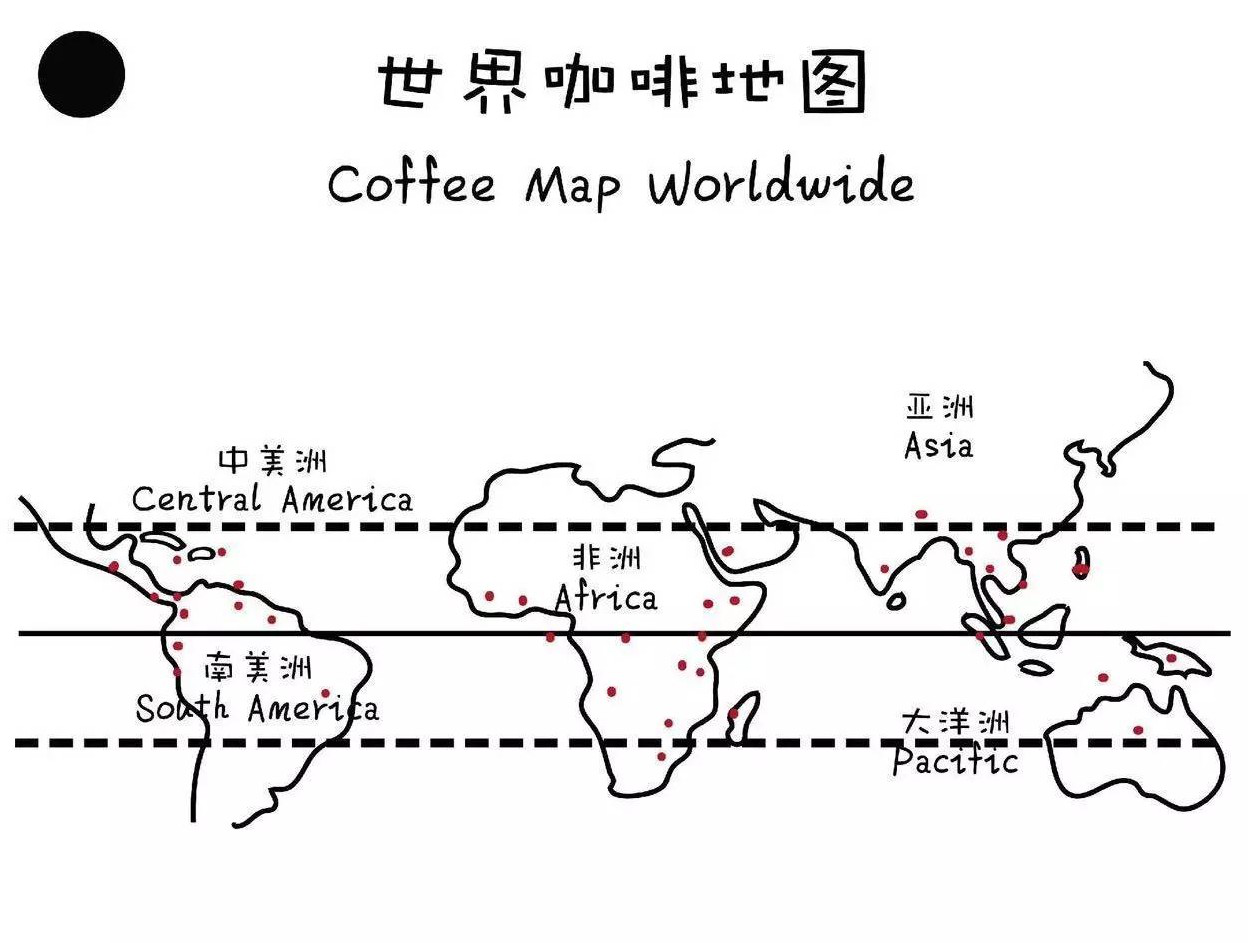
Arabica is not the exclusive product of any one country; it originates from Africa and was first developed by scholars in the Arab world into a method of roasting and brewing coffee beans. Due to religious reasons, coffee once replaced the banned alcoholic beverages, thus gaining widespread popularity in the Arab world. The name “Arabica” originated from this. With trade and colonial expansion, coffee spread from the Arab world to Europe and then to the Americas, gradually becoming a global beverage. Today, when we refer to “Arabica coffee beans,” we are generally talking about this species and its many derivative sub-varieties.
Arabica itself is a broad category that includes many varieties resulting from natural mutations or artificial hybridization. For example, Typica, Bourbon, Caturra, and Catuai are all important members of the Arabica family. These varieties each have different adaptabilities, yields, flavor characteristics, and cultivation challenges. A deeper understanding of them can help coffee enthusiasts make more informed choices when purchasing.
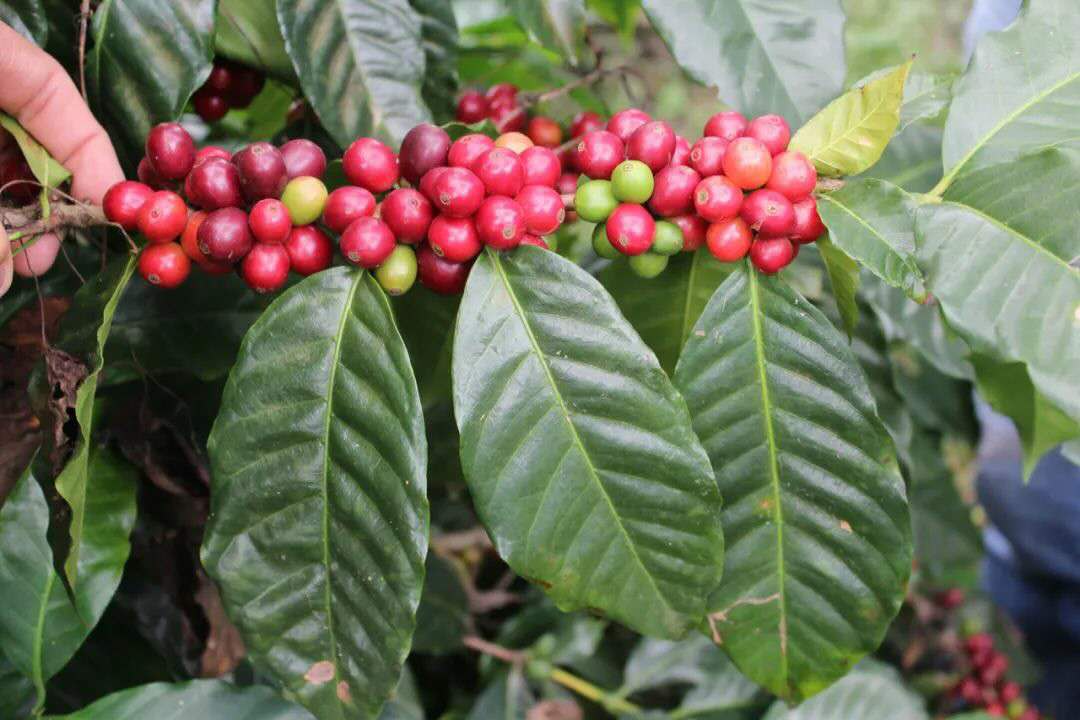
Let’s start with Typica, one of the most original Arabica varieties and the “ancestor” of many modern varieties. Typica originated in Ethiopia and offers an elegant and delicate flavor with bright acidity. However, it grows slowly, has low yield, and is highly susceptible to leaf rust, making it economically less viable. Despite this, Typica is still regarded as a symbol of high quality due to its classic flavor profile, and it is still grown in renowned regions such as Jamaica Blue Mountain.
Typica coffee variety representative — Jamaica Blue Mountain coffee beans
Origin: Jamaica Blue Mountain
Elevation: 1310 meters
Variety: Typica
Processing method: Natural
Flavor profile: Berries, dark cocoa, cream, nuts, brown sugar
Next is Bourbon, a variety that naturally mutated from Typica and was first discovered on the island of Bourbon in the Indian Ocean (now Réunion). Bourbon cherries ripen to a bright red color, similar to Typica, but it has wider leaves and a denser canopy, with slightly higher yield though still on the lower side. Bourbon offers a full-bodied flavor profile, often featuring wine-like acidity and notable sweetness, and is a classic variety in many Central and South American as well as African regions.
Bourbon variety coffee bean representative — Brazil Fazenda Rainha Yellow Bourbon coffee beans
Origin: Brazil, São Paulo State (Fazenda Rainha)
Elevation: 1400–1950 meters
Variety: Yellow Bourbon
Processing method: Semi-washed / Natural
Flavor profile: Nuts, cream, peanuts, fermented fruit, cane sugar
Caturra is a single-gene mutation of Bourbon, discovered in Brazil in 1937. It has a shorter tree height, which makes harvesting easier, and offers both higher productivity and better disease resistance than Bourbon, making it suitable for high-density planting. However, Caturra also faces the issue of biennial yield fluctuation and has high nutrient demands; insufficient fertilization can affect its quality. Caturra thrives at high altitudes and often exhibits bright acidity and citrus notes.
Caturra coffee variety representative — Panama Finca Esmeralda Diamond Mountain coffee beans
Origin: Panama, Boquete, Finca Esmeralda
Elevation: 1400–1700 meters
Variety: Catuai, Caturra
Processing method: Natural
Flavor profile: Citrus, bright acidity, nuts, honey, fermentation notes, cocoa
Finally, there’s Catuai, a hybrid of Caturra and Mundo Novo. It combines advantages such as wind resistance, rain resistance, and firm fruit attachment, effectively reducing weather-related losses. Catuai trees are short in stature, suitable for dense planting, but its overall flavor profile is relatively simple, lacking the body found in other varieties. Additionally, its fruit lifespan is only about ten years, which is a major limitation in its promotion.
Catuai coffee variety representative — Costa Rica Beethoven coffee beans
Origin: Costa Rica, Tarrazú region (Finca Canet)
Elevation: 1900 meters
Variety: Catuai
Processing method: Washed
Flavor profile: Citrus, berries, floral, light fermented wine aroma
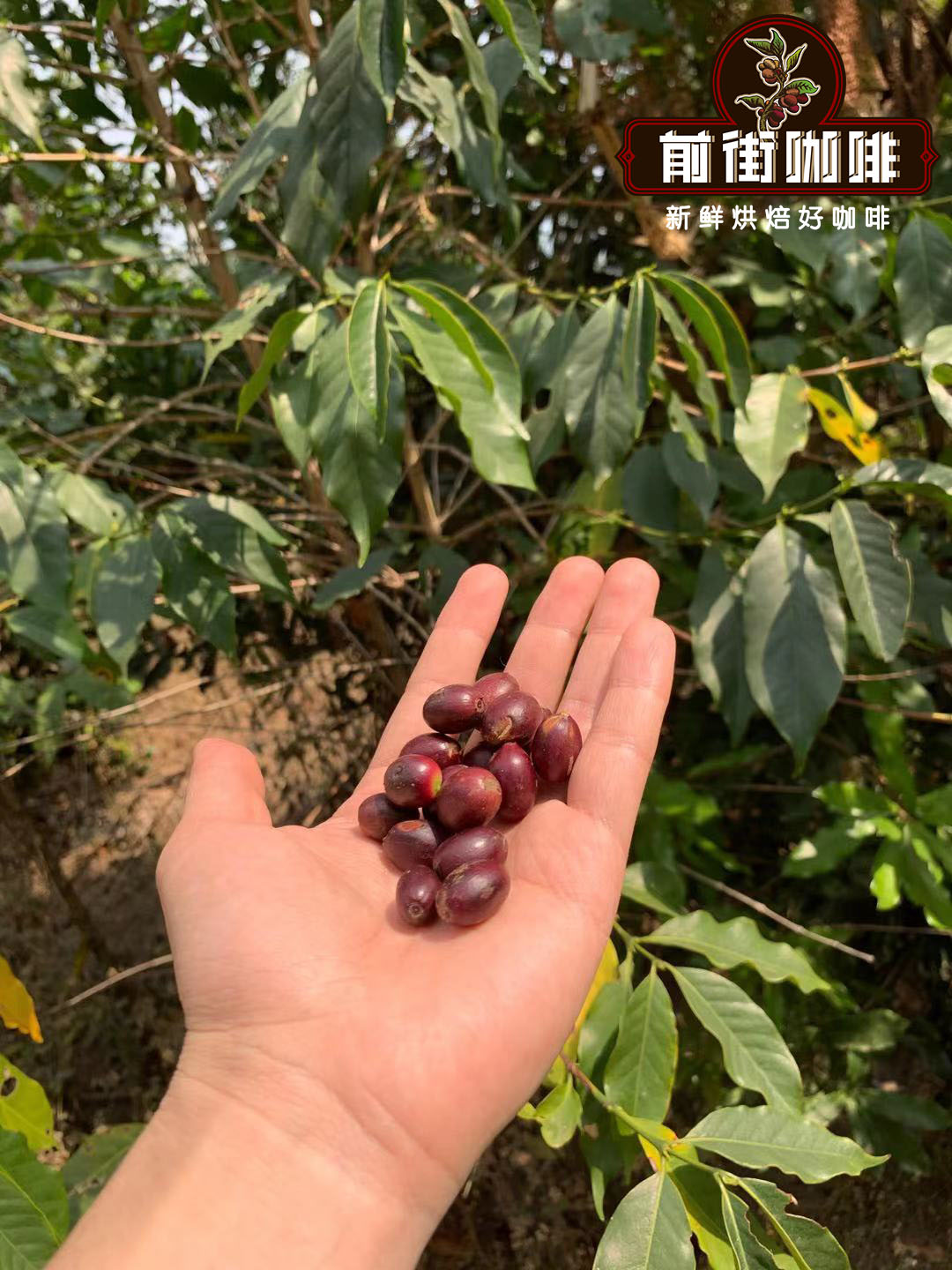
In summary, Arabica coffee beans represent not just a variety name, but an entire system closely tied to flavor, growing conditions, and processing techniques. From the ancient Typica to the resilient Catuai, each variety has its unique personality and challenges. Understanding the background and characteristics of these varieties can help you choose the most suitable beans based on your taste preferences and brewing methods.
The above content is compiled by CoffeeHunters, a coffee news website.


