







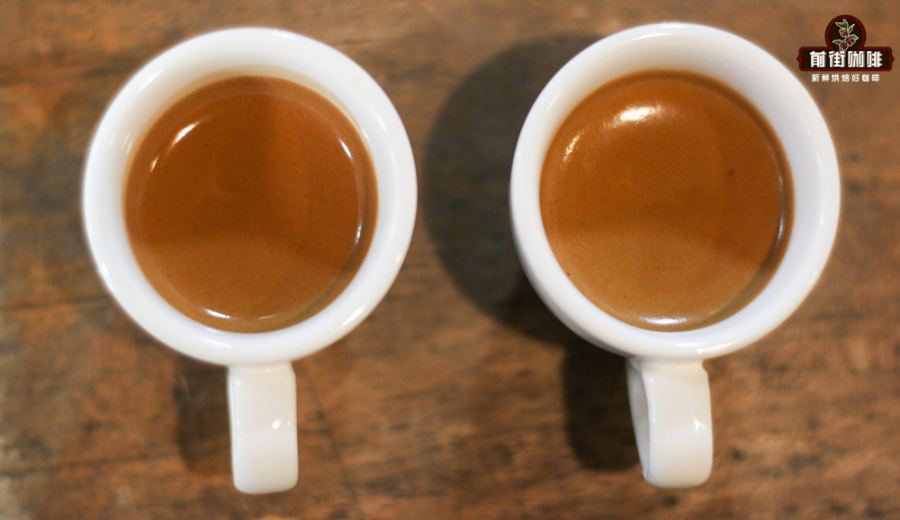
Introduction:SOE (Single Origin Espresso) has gradually become the new favorite among coffee enthusiasts in recent years, standing out with its unique regional flavors and clear layered profiles. However, not all single-origin beans are suitable for espresso extraction. This article will delve into the definition and characteristics of SOE, introduce the key factors for selecting single-origin beans suitable for espresso, and provide detailed parameters such as grind size, extraction time, and brew ratio. It also recommends two SOE coffees ideal for home espresso machines, helping you easily brew a cup of espresso with distinct flavor at home.
In recent years, more and more coffee lovers and professional baristas have started experimenting with making espresso using single-origin beans, a practice known as SOE (Single Origin Espresso). Unlike traditional blends that emphasize balanced and stable flavors, the greatest charm of SOE lies in its ability to clearly showcase the unique terroir characteristics of the region—ranging from citrus and floral notes to nuts and caramel—each sip delivers a distinct regional flavor.
However, selecting single-origin beans suitable for espresso is not easy. Due to the high pressure and high temperature involved in espresso extraction, specific requirements are placed on the roast level, bean density, and processing method of the coffee beans. Not all single-origin beans with prominent flavors are suitable for high-pressure extraction; some may even result in sharp or thin-tasting espresso due to excessive acidity or lack of body.
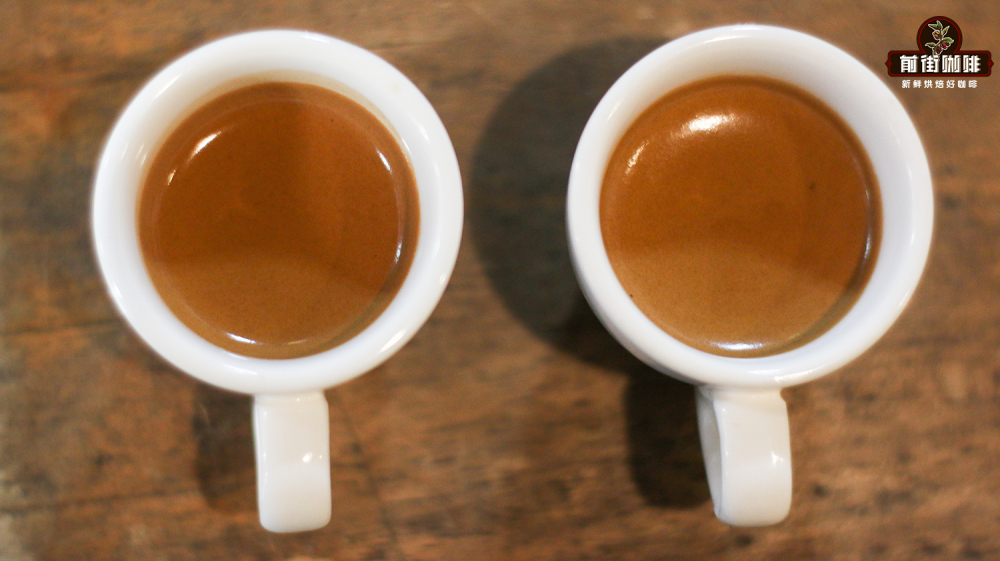
SOE, short for Single Origin Espresso, refers to espresso made using coffee beans from the same origin, farm, or even a single variety. Although the name includes "single origin," SOE does not necessarily mean high-quality or specialty-grade beans. The key lies in whether the batch of beans possesses sufficient flavor characteristics and extraction adaptability.
For example, some coffee beans produced in high-altitude regions of Africa, such as Ethiopia's Yirgacheffe, exhibit bright acidity and rich fruity notes, which can show captivating flavors when brewed via pour over or filtration methods. However, if traditional espresso extraction methods are applied without proper roasting adjustments, they may easily result in overly acidic or uneven extractions.
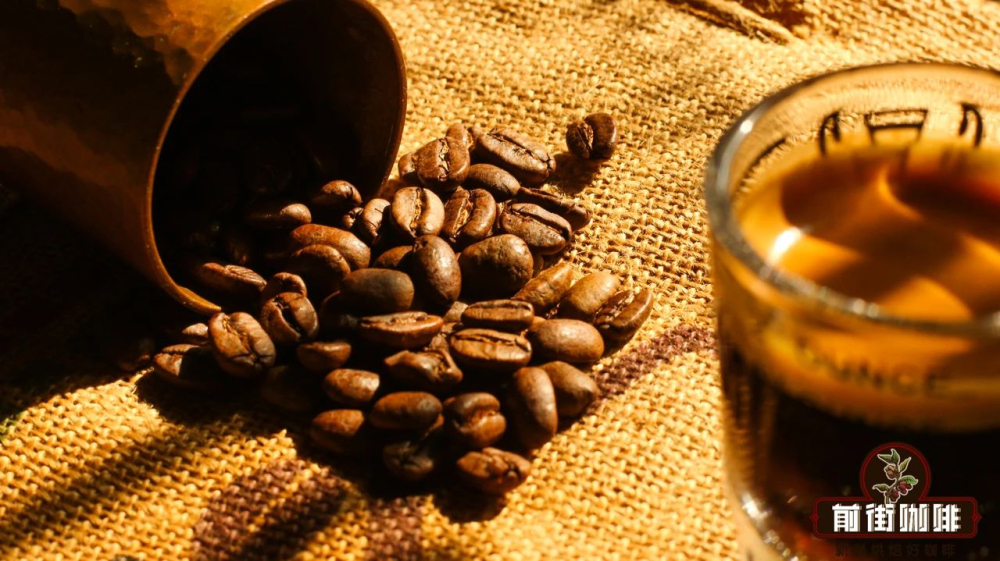
To successfully make satisfying espresso with single-origin beans, it is recommended to evaluate beans from the following aspects when selecting them: First,the roast level should not be too dark; medium-light to medium roast can preserve more of the original flavors while ensuring enough body to support extraction. Next,bean density and processing methodalso play a significant role—high-density beans are usually more resistant to high-pressure extraction, and sun-dried beans often have a more pronounced sweetness, making them suitable for drinkers who enjoy fruity and sugary flavors. Finally,the flavor profile should be clear and possess a certain level of complexityto maintain a three-dimensional taste even under high-pressure extraction.
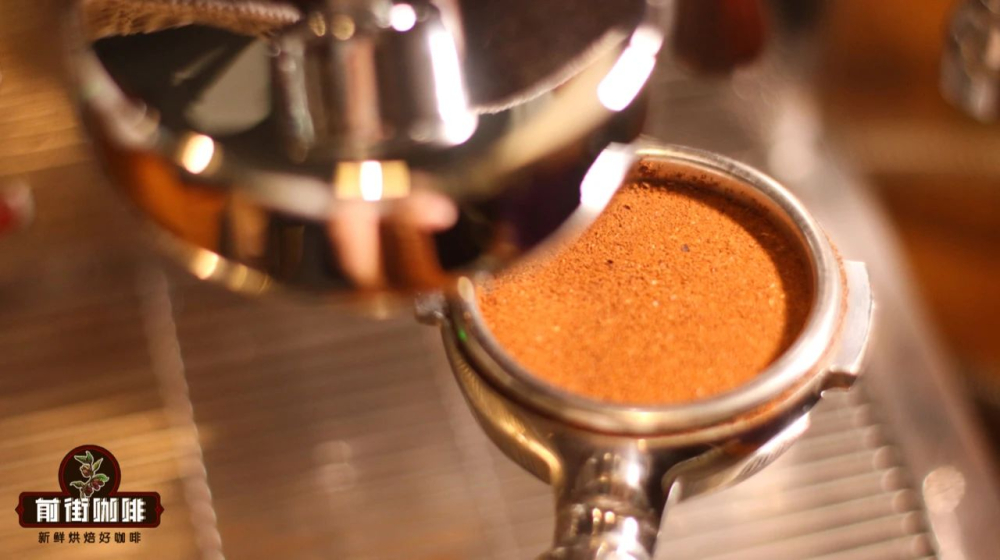
During actual extraction, it is recommended to adjust grind size, extraction time, and brew ratio based on the actual roast condition of the beans. Common parameter ranges include:grind size between medium-fine to fine, total coffee dose of 20 grams, extraction time between 22–30 seconds, aiming for 40–45 grams of espresso output, but as each bean has unique characteristics, fine-tuning through cupping is necessary.

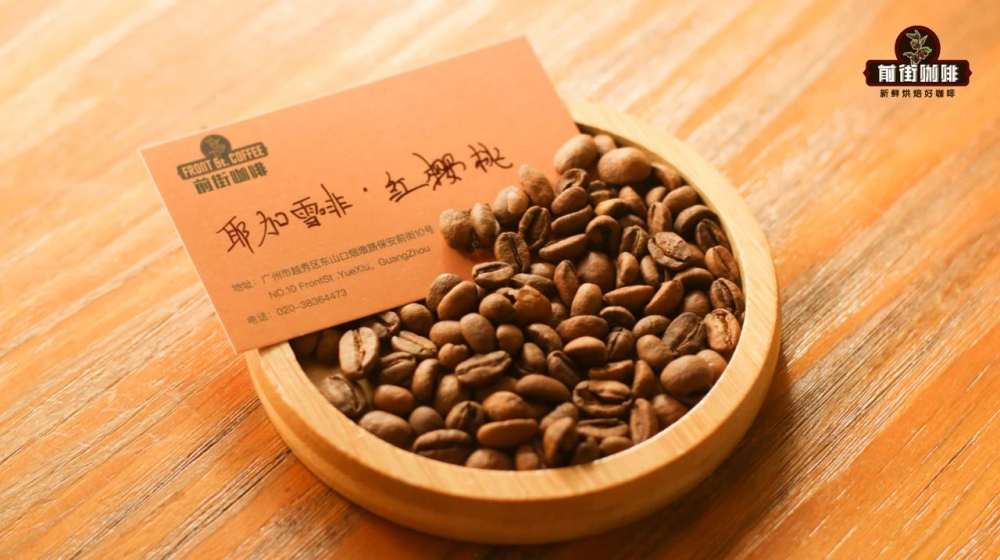
Yirgacheffe Natural Red Cherry is an iconic SOE bean, grown at high altitudes of 1700–2200 meters in Ethiopia’s Yirgacheffe region, and meticulously processed by the Aletaran Farm using the natural (sun-dried) method. These beans belong to a local native variety, carefully selected through the Red Cherry Project led by a Dutch green bean supplier. Only fully ripe coffee cherries are harvested, and refined sun-drying processing reduces defect rates while significantly enhancing sweetness and fruit aroma.
Baristas use a medium-light roast to preserve distinct citrus and berry notes, while also imparting a rounder body and sugary sweetness. When used for espresso extraction, one can distinctly perceive a bright acidity and juice-like mouthfeel, with minimal bitterness, and a well-layered flavor profile—making it highly suitable for drinkers who enjoy fruity and refreshing acidic notes.
Extraction recommendation:Due to the medium-light roast, a finer grind is needed (for example, with the Faema 900N, grind 2 notches finer than standard espresso grind), 20-gram dose, target extraction time around 22 seconds, producing 40 grams of espresso, to avoid over-extraction leading to sourness or extraction of undesirable particles.
Another SOE recommended for home users is Brazil Queen Estate, grown at altitudes of 1400–1950 meters in Brazil’s Mogiana region, of the Yellow Bourbon variety, and processed using the sun-dried method. This bean is known for its excellent balance, delivering stable performance whether brewed via pour over, French press, or espresso.
The roaster opts for a medium roast, preserving the typical Brazilian nutty and caramel base flavors while adding gentle sweetness and a silky mouthfeel. When extracted as espresso, it clearly exhibits a rich, creamy texture and thick crema, with a lingering finish of chocolate and caramel aromas—making it very suitable for making lattes or cappuccinos.
Extraction parameter recommendation:Use 20 grams of coffee, extract 40 grams of espresso, with time controlled around 27 seconds. For making Americano, add hot water at a 1:4 to 1:6 ratio; for lattes, it is recommended to add fresh milk at a 1:5 ratio to enjoy the perfect combination of velvety milk foam and chocolate flavors.
The above content is compiled by CoffeeHunters, a coffee news website.


