








Introduction:Several high-altitude farms under Colombia’s Cafe Granja La Esperanza are internationally renowned in specialty coffee competitions for their Natural process Geisha varieties. This article delves into the family’s history, the unique characteristics of the growing regions, and uses actual cupping data to illustrate how Cauca-region Geisha grown at 1850 meters above sea level can express layered flavors such as blackcurrant, blueberry, and wine-like finish—offering pour over enthusiasts insights on bean selection and brewing.
Among the world’s most prestigious coffee rankings and competitions, the name “Cafe Granja La Esperanza” frequently stands out. However, it is not a single coffee farm but a brand representing multiple high-altitude farms managed by a single family. The story begins with Blanca Ligia Correa and Juan Antonio Herrera, who initially worked at the Postosi farm in Colombia. Eventually, they purchased the property and used it as the starting point for building their coffee empire.
Years later, driven by a deep passion for coffee cultivation, the couple took over Postosi, their first farm. Initially, the farm primarily grew Typica, but Juan Antonio wanted to expand the variety range. In 1945, he acquired nearby land and introduced varieties such as Yellow Bourbon, Red Bourbon, and Caturra, naming the new farm “Granja La Esperanza” (Farm of Hope) as a symbol of optimism for future possibilities.
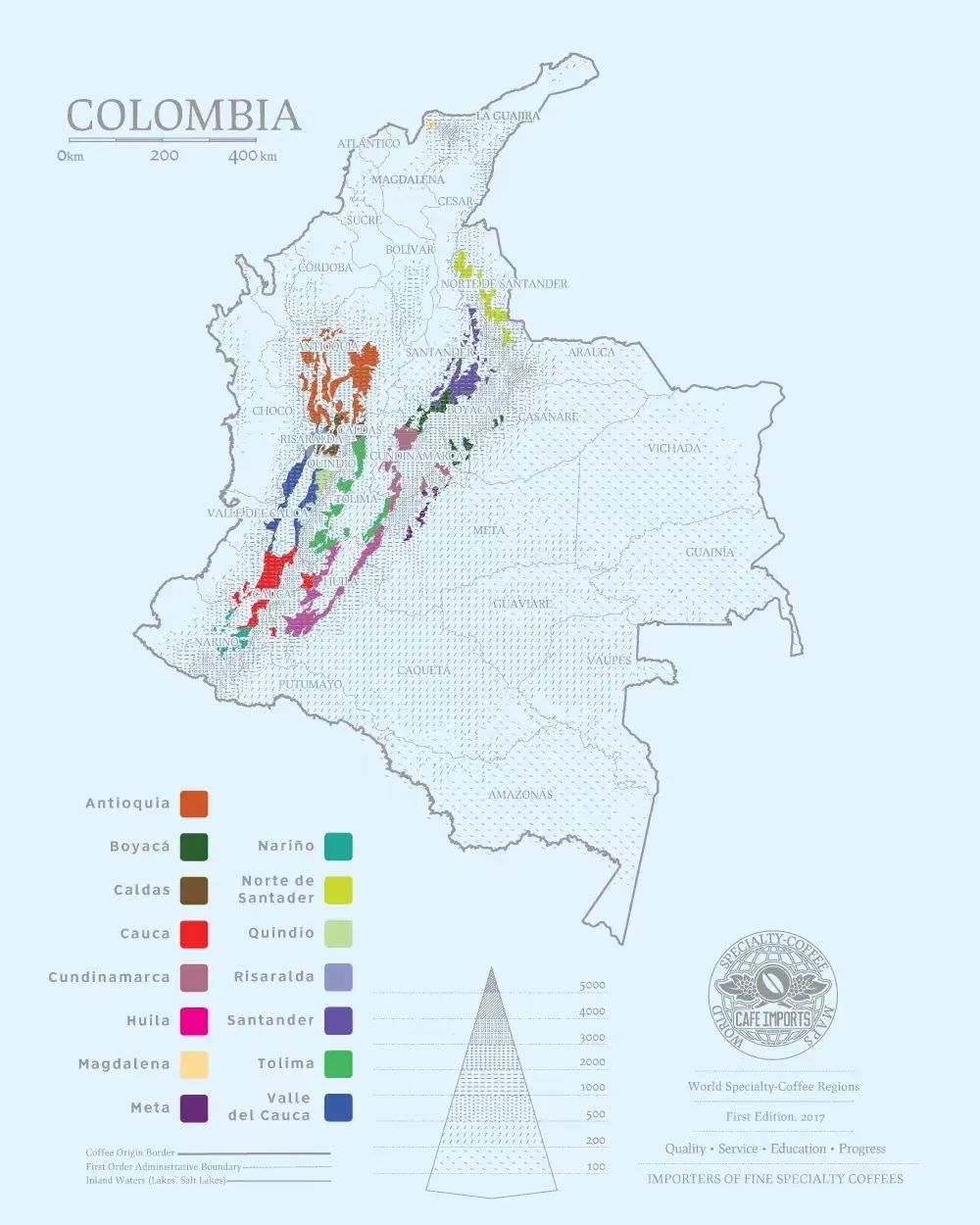
Together, the couple raised 14 children and built the entire family business. Among them, brothers Rigoberto and Luis were particularly dedicated to coffee cultivation, continuously refining techniques and conducting varietal research. Under their leadership, the family successively acquired the Margaret, Blue Hills, and Hawaii farms, forming a coffee estate spanning 150 hectares today, distributed between altitudes of 1400 and 1800 meters. Except for Hawaii, which is located in the Cundinamarca region, the other four farms are situated in the Cauca region, known for its high altitudes.
The Cauca region is located in southwestern Colombia, with an average altitude of 1758 meters, and some areas even exceed 2100 meters. Such elevation creates significant diurnal temperature variations, allowing coffee cherries to ripen slowly and accumulate richer sugars and flavor compounds. Coupled with fertile volcanic soils and stable rainfall, the area offers an ideal environment for coffee cultivation.
Despite these exceptional conditions, Granja La Esperanza was not initially a market standout, merely one of many quality-focused origins. The turning point came in 2007 when family member Rigoberto rented the La Cárida farm in Panama. Through expert management, he won the Best of Panama (BOP) competition the following year. This victory made him realize the importance of varietal genetics, leading him to introduce the winning Geisha variety back to Colombia, thus beginning the farm’s journey to international acclaim.
Upon returning to Colombia, Rigoberto began planting diverse varieties—including Geisha—at different altitude farms under his management. Among them, the Natural Geisha planted at 1850 meters on the Margaret farm in the Cauca region later caught the attention of a coffee brand for tasting evaluation. To fully showcase its potential, the roaster adjusted the roasting process, applying a slower roast profile to the high-altitude beans to ensure full flavor development while avoiding underdevelopment.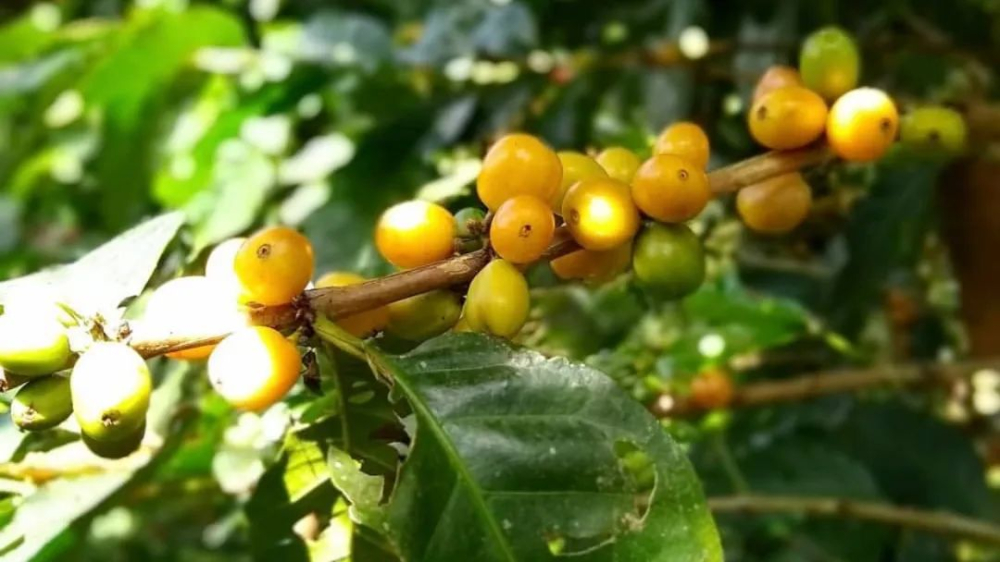
The technical details of this Colombian Granja La Esperanza Natural Geisha are as follows: originating from the Cauca region, at an altitude of1850 meters, with the variety beingGeisha, and processed using theNatural method. In terms of flavor profile, a team from a certain brand recorded distinct notes of blackcurrant juice, blueberry, orange, dark plum, and a wine-like finish, with pronounced sweetness and well-defined layers.
During the actual cupping session, evaluation took place immediately eight hours post-roast. In the dry aroma phase, intense grape and berry-like scents were immediately apparent, accompanied by an alluring sweet-and-sour tonality. Upon tasting, the first impression was a rich blackcurrant juice flavor, followed by layered aromas of orange, dark plum, and blueberry. As the cup cooled, the juiciness became even more pronounced, and the finish exhibited a clear wine-like texture. The overall mouthfeel was smooth with a long-lasting aftertaste, offering pour over lovers a highly enjoyable sensory experience.
The above content is compiled by CoffeeHunters, a coffee news website.


