







Introduction:Have you ever made a poor coffee brand choice due to rankings? In truth, freshness and regional characteristics are the core factors that influence flavor. This article takes an in-depth look at 10 of the world’s most renowned coffee-growing regions—including Ethiopia, Kenya, Panama, Colombia—and analyzes the unique flavor profiles of each, while also providing practical brewing parameters for both medium-light and medium-dark roasts to help you find your ideal specialty coffee beans.
In the vast and varied coffee market, finding the beans that truly suit your taste is often no easy task. Many people are influenced by brand rankings when making purchases, assuming that higher-ranked beans must be better. However, it is freshness and regional characteristics that are the true keys to captivating coffee flavors. This article will provide a detailed analysis of the flavor profiles from 10 globally recognized coffee-growing regions—Ethiopia, Kenya, Panama, Colombia, Costa Rica, Honduras, Indonesia, Yunnan (China), Jamaica, and Hawaii—along with useful brewing tips and parameters, helping you discover the coffee experience that best matches your personal taste preferences.
How to choose fresh coffee beans?
When buying coffee beans, it's recommended to first check the roast date (not the expiration date) and choose beans from reputable, specialty roasters who emphasize freshness. The one-way degassing valve on coffee bags, which allows the natural release of carbon dioxide produced by the beans while preventing moisture and oxygen from entering, is an important indicator of packaging quality. Fresh coffee beans not only have a rich aroma but also produce fine bubbles during blooming, and espresso surfaces often display a golden crema—all clear signs that the beans are still at their peak.
Ethiopia: The Birthplace of Coffee with Diverse and Captivating Flavors
Ethiopia is a holy land for many coffee enthusiasts and one of the birthplaces of coffee. It boasts numerous growing regions, each micro-region offering its own distinctive flavor profile.
Take Yirgacheffe, located on the eastern edge of the East African Rift Valley at an altitude of about 1800–2000 meters, for example. It is one of the highest-altitude regions in the country and among the most well-known for specialty coffee. The area’s abundant water supply aids in washed processing, and the resulting coffee often exhibits pronounced floral and citrus acidity. Neighboring Sidamo, ranging from 1400 to 2000 meters in altitude, features diverse terrain and climatic conditions, producing a wide range of coffee flavors. Natural processing methods here particularly highlight intense fruitiness and a smooth mouthfeel.
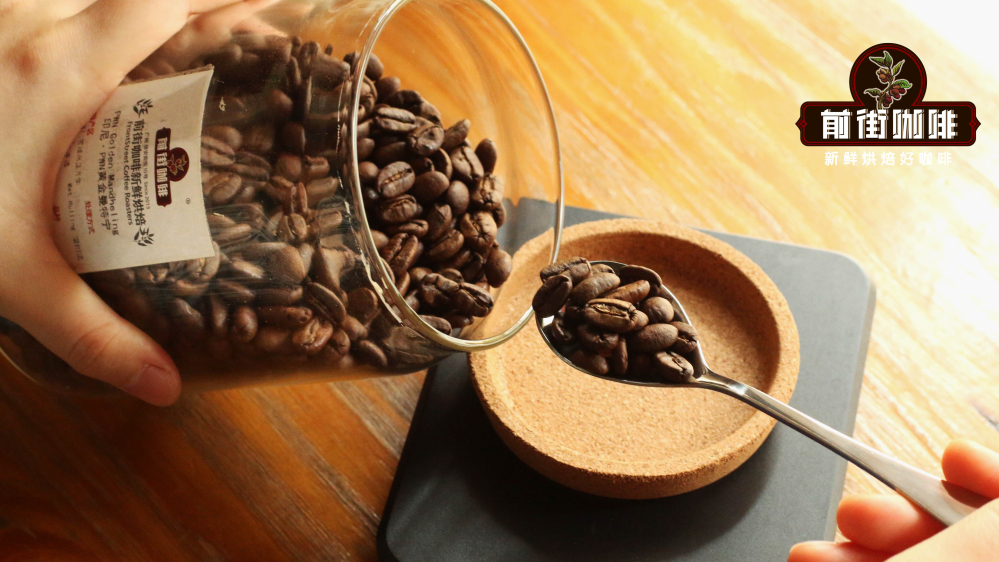
Taking Yirgacheffe as an example, the Daye Tian Tian cooperative’s natural-process beans, grown at 1900–2300 meters and of the Heirloom variety (Grade G1), deliver aromas of citrus and black tea. As the cup cools, notes of cream, caramel, and almonds emerge, with a clean, sweet taste—ideal for those who prefer a bright, refreshing profile.
In Sidamo’s Guji region, known for its natural processing, the Huicui 8.0 coffee beans come from the Buku Able processing station at 2350 meters altitude, using the Dega variety. The natural process brings out distinct layers of almond, berry, blackcurrant, and honey, with a long-lasting sweetness—making it a top choice for those who enjoy a balanced fruitiness and sweetness.
Kenya: The Representative of Bright Acidity and Rich Juicy Flavor
Kenyan coffee is famous for its distinctive bright acidity and rich, juicy flavor. Most of its growing regions are located on high plateaus, averaging over 1500 meters in altitude, with AA-grade coffee from Thika being especially highly regarded. Kenyan beans often use the SL28 and SL34 varieties along with their unique 72-hour washed process, which preserves abundant fruit acids and layered complexity.
The Assaliya coffee beans, from the Thika region at 1550–1750 meters altitude and of the SL28 and SL34 varieties, are processed using Kenya’s 72-hour washed method. Brewing reveals flavors of black plum and cherry tomato acidity, with prominent mid-palate sweetness, followed by berry and brown sugar notes, plus hints of green tea aroma—perfect for coffee lovers who enjoy a balanced sour-sweet profile.
Panama: The Homeland of Geisha, with Delicate and Varied Flavors
Panama’s Boquete region, thanks to its cool, foggy microclimate and high altitude, produces numerous specialty coffees—especially the Geisha variety. Geisha is celebrated for its floral, fruity, and tea-like flavors, and is a frequent champion in coffee competitions.
If you’re working with a limited budget, consider the Emerald Estate’s Blue Label Geisha. First introduced in 2020, this natural-process bean offers a similar flavor profile to higher-tier options but at a more accessible price point. Sourced from Boquete at 1500 meters, the Blue Label Geisha’s natural process yields aromas of melon and tropical fruits, with a juice-like sweetness and strong sweetness—ideal for first-time Geisha drinkers.

Colombia: Balanced and Full-Bodied, with Both Fruit and Nut Notes
Colombia’s Huila region, with its fertile volcanic soil and abundant rainfall, is a key source of the country’s specialty coffee. The coffee here often features soft fruit acids, nuttiness, and cocoa aromas—suited for those who prefer balanced profiles.
Huila coffee beans, grown at 1500–1800 meters and of the Caturra variety, are washed processed. Brewing reveals a base of nuts and dark chocolate, with soft fruit acidity in the mid-palate and caramel sweetness in the finish—making it an excellent everyday choice.
Costa Rica: High-Altitude Hard Beans with Balanced Sweetness and Acidity
Costa Rica’s Tarrazú region is famed for its high altitude and Strictly Hard Bean (SHB) status, yielding tightly structured coffee beans with bright acidity and intense aroma. Local producers often use raisin honey processing to enhance the balance between sweetness and acidity.
The Strawberry Sugar coffee beans, a Geisha blend from the Mirasol Estate in Tarrazú at 1700 meters, are raisin honey processed. They offer jasmine floral notes, soft fruit acidity, and distinct almond aftertaste, with standout sweetness—ideal for those who enjoy a fusion of fruitiness and sweetness.
Honduras: Wine Barrel Fermentation for Unique Aromas
Honduras’ Marcala region is known for its wine barrel fermentation process, which imparts whiskey-like aromas—a rising star among emerging coffee-growing areas in recent years.
The Sherry coffee beans, from the Mocha Estate at 1500–1700 meters and of the Caturra, Catuai, and Pacas varieties, are carefully washed and undergo whiskey barrel fermentation. Brewing reveals aromas of vanilla and cream, with flavors of whiskey, berries, almonds, and dark chocolate on the palate, and a maple syrup-like aftertaste—making it a must-try for fans of unique fermentation methods.
Indonesia: Wet-Hulling Creates Low-Acidity and Full Body
Indonesia’s Sumatra Lintong region is known for its wet-hulling process, which reduces acidity and enhances body. The coffee here often features herbal, spicy, and dark chocolate aromas—making it an excellent base for espresso.
Lintong Mandheling coffee beans, grown at 1100–1600 meters and of the Typica and Caturra varieties, are wet-hulled processed. Brewing yields aromas of herbs, dark chocolate, and caramel, with a pronounced aftertaste—ideal for those who enjoy a full-bodied profile.
Yunnan, China: Highland Typica Varieties with Captivating Fruitiness
Yunnan’s Baoshan region is known for its small-bean Typica varieties, grown at around 1200 meters in a climate suited for Typica cultivation, resulting in rich flavors with fruity notes.
Typica small-bean coffee beans, grown at 1200 meters and washed processed, offer a profile that is strong yet not bitter, fragrant yet not harsh. The mid-palate features melon sweetness, and the finish has black tea-like notes—making it a top pick for those who prefer mild fruit acids and a full-bodied mouthfeel.
Jamaica Blue Mountain: The Classic Balance of Sweet, Acidic, and Bitter
Jamaica Blue Mountain coffee is renowned for its balanced sweet, acidic, and bitter notes, along with its elegant aroma—it’s a dream bean for many coffee aficionados. Due to its limited production and high price, it’s important to pay close attention to origin and processing methods when purchasing.
Blue Mountain No.1 coffee beans, from the Clifton Estate at 1310 meters and of the Typica variety, are washed processed. Brewing reveals aromas of dark chocolate and nuts, with a clean, bright taste and a balanced sweet-acid-bitter profile, plus good body—making it a classic choice for experiencing Blue Mountain flavor.
Hawaii Kona: Gentle and Balanced Island Flavor
The Hawaii Kona region, located in the southwest of the Big Island, enjoys an altitude and climate ideal for coffee growth, producing beans with maltose-like sweetness and gentle acidity.
Kona coffee beans, from the Queen’s Estate at 1100 meters and of the Typica variety, are washed processed. Brewing yields aromas of osmanthus honey and mulberry, with a smooth, full-bodied mouthfeel and a malted-sweet aftertaste—perfect for those who enjoy gentle, balanced flavors.
Brewing Parameter Recommendations
For medium-light roasted beans from regions such as Ethiopia, Kenya, Panama, Colombia, Costa Rica, and Honduras, it’s recommended to use a V60 dripper, with a water temperature of 90–91°C, a coffee-to-water ratio of 1:15, and a grind size of medium-fine (similar to fine sugar, about 80% through a #20 sieve). When pour over brewing, start with a 30g bloom for 30 seconds, then pour in a total of 225g of water in stages, aiming for a total brew time of about 2 minutes.
For medium-dark roasted beans from regions like Indonesia, Jamaica Blue Mountain, and Hawaii Kona, it’s better to switch to a Kono dripper, with the same water temperature of 89–90°C and coffee-to-water ratio of 1:15, but a medium-coarse grind size (like coarse sugar, about 70% through a #20 sieve). The pour over process is similar, with the total brew time controlled around 2 minutes and 15 seconds to fully bring out the body and sweetness.
The above content is compiled by CoffeeHunters, a coffee news website.


