







Introduction:Gain an in-depth understanding of the regional characteristics of Indonesian Sumatra Mandheling coffee, the unique aspects of the wet-hulled processing method, and how to bring out its rich herbal flavors through proper brewing parameters. This article offers a comprehensive exploration of this classic Southeast Asian bean—from geography and climate, to green bean processing and grading, all the way to practical pour over recommendations—complete with professional-level cupping flavor notes and beginner-friendly brewing settings.
As one of the world’s renowned specialty coffee regions, Indonesia’s Sumatra Island is home to the distinctly regional Mandheling coffee. The area features an equatorial tropical rainforest climate that is humid and rainy year-round, with relative humidity in the air consistently maintained between 70% and 90%, posing significant challenges to coffee bean processing and storage. To overcome the issue of mold growth in the high-temperature, high-humidity environment, local farmers developed the distinctive “wet-hulling” processing technique, which gives Mandheling coffee its unique woody tone, herbal aroma, and deep spicy complexity.
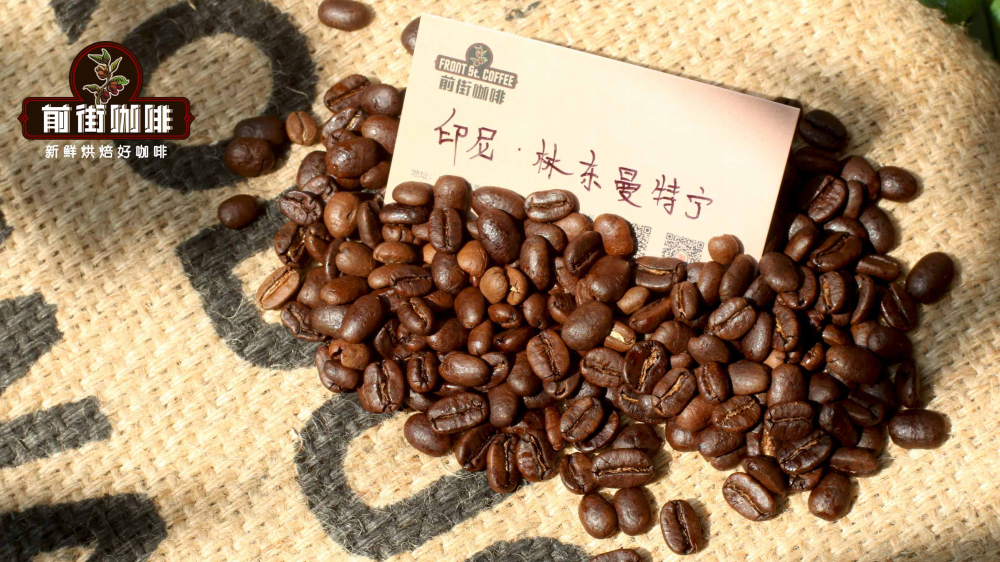
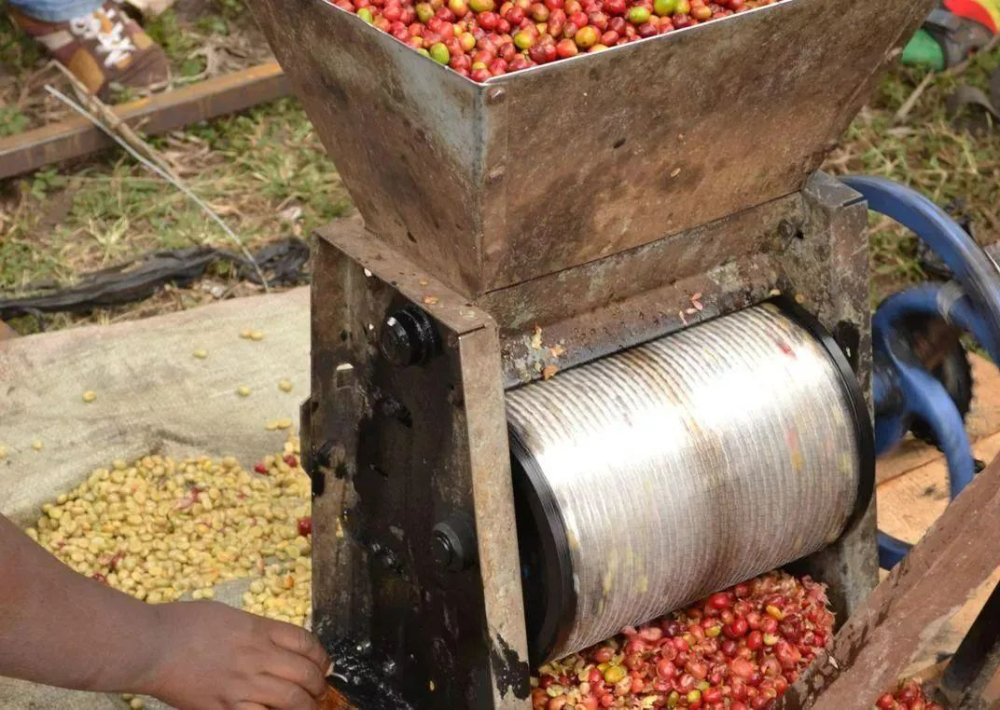
Known as wet-hulling, this is an innovative method that combines elements of semi-washed processing with a special drying procedure. The steps begin with the removal of the coffee cherry’s outer skin, followed by a brief fermentation process (usually a few hours), after which the sticky mucilage layer is thoroughly washed away. Once fermentation is complete, the mucilage-covered beans are left to dry in the shade for about 2 to 3 days until their moisture content drops to a semi-dry state of 30% to 50%. At this point, the outer parchment layer enclosing the beans is scraped off, exposing the green beans directly to the air. Drying then continues until the overall moisture level stabilizes at around 12% before packaging. Due to the significantly shortened drying period, not only is the risk of mold effectively reduced, but Mandheling is also endowed with a rich and deep aromatic profile, featuring distinct woody, herbal, and spice-driven layered notes.
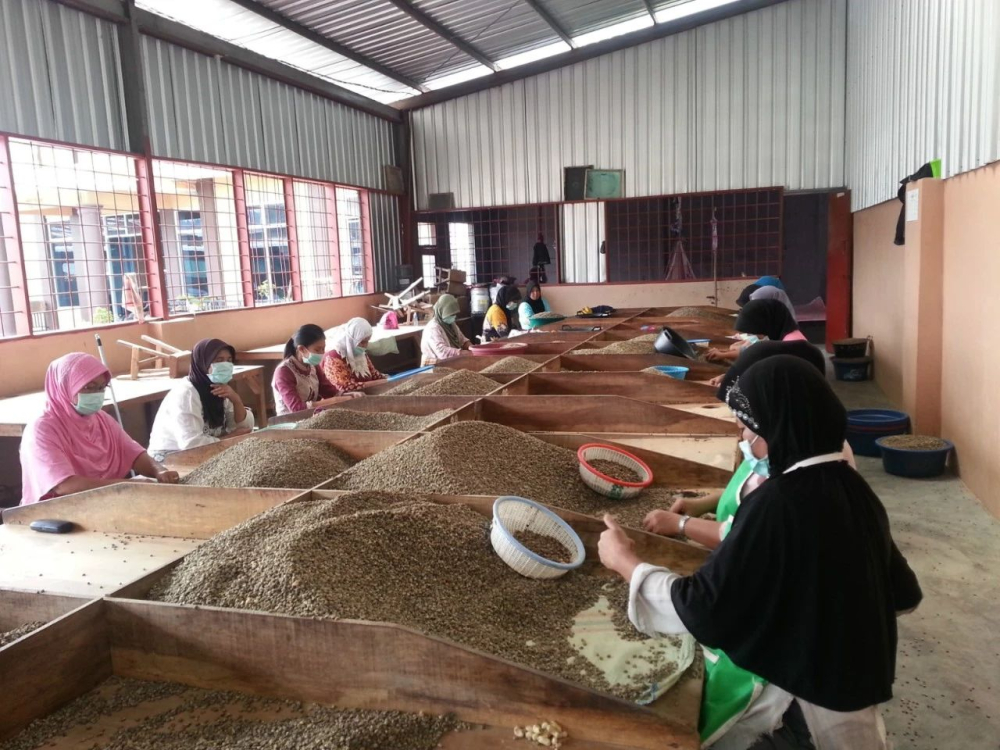
However, although the wet-hulling method is more economical in terms of time and labor, the faster drying pace increases the likelihood of defective beans. Therefore, rigorous manual sorting is indispensable, especially for high-grade Mandheling. For instance, PWN’s Golden Mandheling undergoes not only mechanical pre-selection but also three or more rounds of hand-picking to ensure that every green bean meets a uniform plumpness standard of 18 mesh or above. It is classified as Indonesia’s official G1 grade, representing top-tier quality.
In terms of flavor, standardized cupping procedures allow for an objective assessment of the performance of different batches of Mandheling. Generally speaking, the everyday-grade Mandheling from the Lintong region often exhibits a strong nutty profile, with a subtle melon aroma in the aftertaste. As the temperature drops, the fresh scent of herbs gradually emerges, resulting in an overall full-bodied and aromatic cup. In contrast, PWN Golden Mandheling presents a more refined complexity, featuring multiple layers including dark chocolate, caramel, nuts, and spices, along with delicate pine and herbal nuances. Its dark chocolate aftertaste is noticeably sweet, the overall cup is clean, and as it cools, occasional gentle fruit acidity may appear.
Given the characteristics of Mandheling, it is recommended to use a medium-dark roast to avoid excessive caramelization that could mask its original flavor traits. It’s important to note that freshly roasted Mandheling requires about 7 to 10 days of resting time to allow internal gases to dissipate fully before reaching peak flavor. To ensure consumers enjoy the best possible experience, it is advised to select beans roasted within five days for optimal richness and a perfectly balanced herbal aroma.
For actual pour over brewing, it is recommended to use a KONO filter cone, which is designed to promote even extraction and reduce the risk of over-extraction. The suggested brewing water temperature is 87°C, with a coffee dosage of 15 grams and a brew ratio of 1:15. The grind size can be referenced to a Chinese Standard No. 20 sieve, with a roughly 70% pass rate—equivalent to a medium-coarse setting. The pouring method recommends a three-stage approach: first, pour 30 grams of hot water for a 30-second bloom to activate the coffee grounds; then, slowly pour in a thin stream in a circular motion from the center outward up to 125 grams. When the water level in the filter cone begins to drop close to exposing the coffee bed, pour again in a circular motion up to a total of 225 grams. The overall extraction time should be controlled to around 2 minutes. After brewing, it is advisable to gently swirl the coffee to evenly release its aroma and flavors.
The above content is compiled by CoffeeHunters, a coffee news website.


