







Introduction:Want to dive deeper into the world-renowned Yirgacheffe coffee? This article starts with the background of the producing region, introduces Ethiopia’s unique coffee grading system, and explains why Yirgacheffe beans vary in size. It also shares detailed brewing tips and actual flavor profiles for the classic washed Yirgacheffe beans, making it an essential guide for specialty coffee enthusiasts and pour-over beginners alike.
Yirgacheffe is a small town in southern Ethiopia and one of the dream-producing regions for global specialty coffee lovers. The coffee from here is famous for its bright acidity, delicate floral notes, and especially captivating jasmine and lemon tones, long recommended by many baristas as a top choice for entry-level specialty beans.
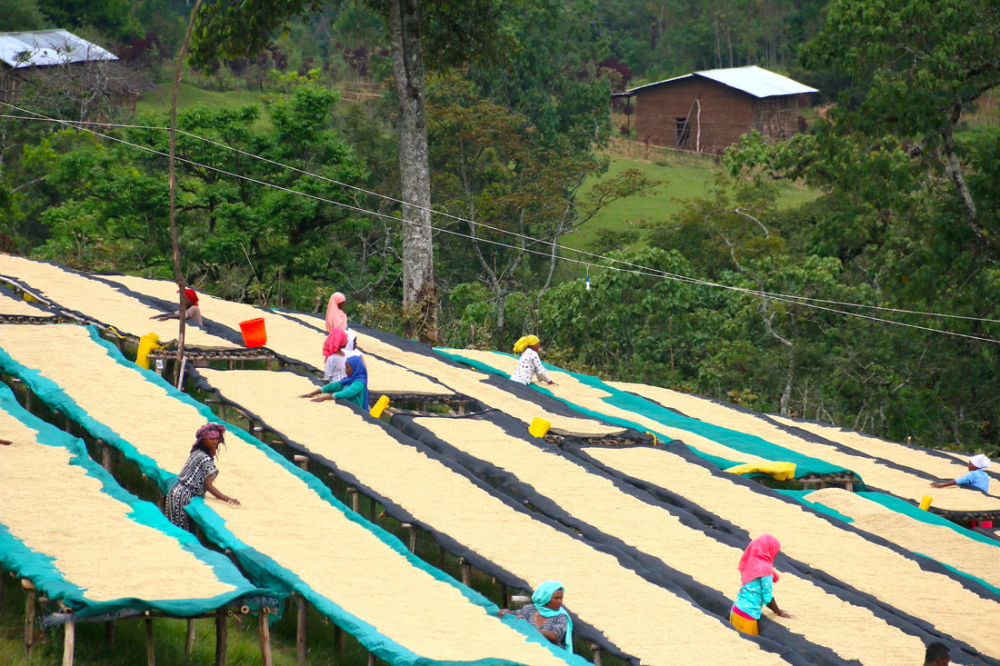
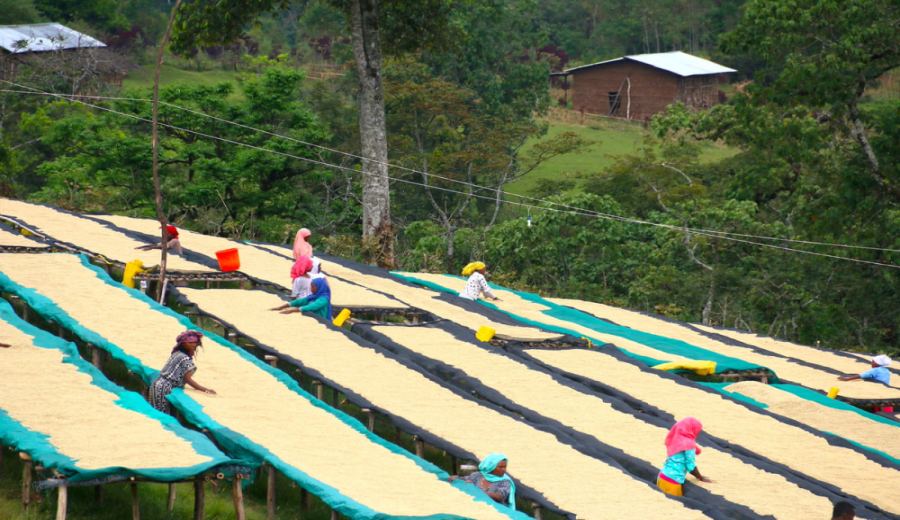
As the birthplace of coffee, Ethiopia is home to thousands of coffee varieties, many of which are “heirloom” varieties not yet officially classified or named—these are the soul of the country’s coffee. Because local farmers often interplant multiple varieties within the same farm and do not separate them during harvest, exported coffee beans frequently vary in size, which is quite different from large-scale estates that grow single varieties.
In the past, Ethiopian coffee grading was mainly based on the ratio of defective beans, using a Grade 1 to Grade 5 system where the lower the number, the higher the grade. For example, Grade 1 allows no more than 3 defective beans, while Grade 5 permits as many as 46 to 90. However, with the establishment of the Ethiopian Commodity Exchange (ECX), the grading system shifted to a more comprehensive evaluation method, combining physical characteristics (40%) and cupping flavor performance (60%) for an overall score, making the grading results more aligned with actual flavor quality.
In the ECX scoring system, the grading standards for washed and natural beans differ slightly. For washed beans, physical evaluation includes defect count (20%), bean appearance and size (10%), color (5%), and aroma (5%), while cupping focuses on cleanliness, acidity, mouthfeel, and flavor characteristics, each accounting for 15%. In contrast, natural beans place more emphasis on defect count (30%) and aroma (10%) in the physical evaluation. This system also explains why many consumers find Ethiopian beans vary in size, which is directly related to its scoring logic.
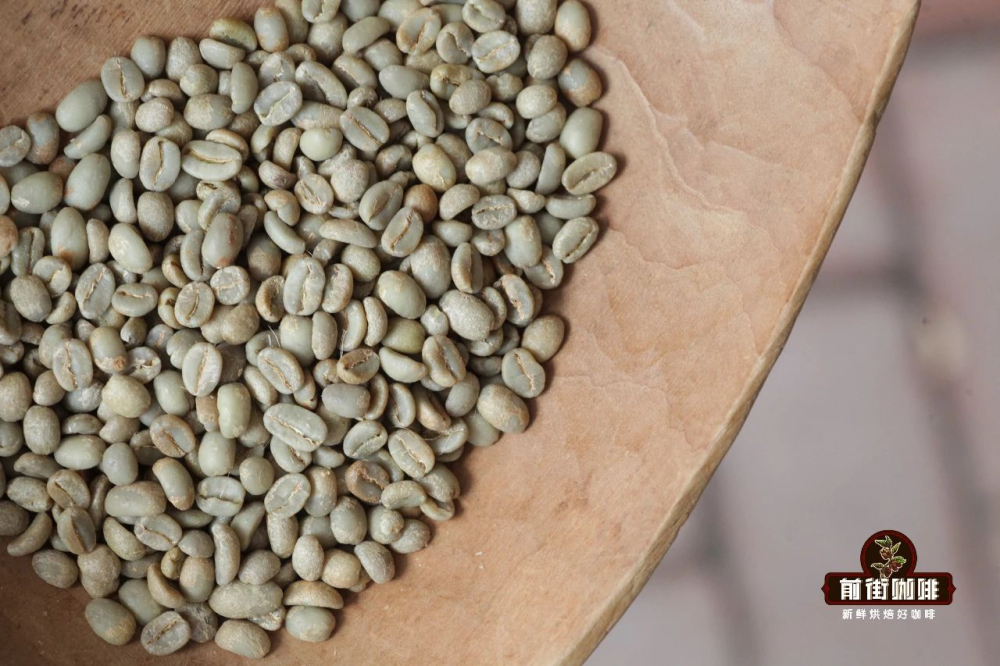
The definition of the Yirgacheffe producing region, besides the core town of Yirgacheffe itself, according to ECX agreements, also includes coffee from Wenago in the north, Gelena Abaya in the west, and Kochere in the south, as long as they exhibit similar flavor characteristics, and can be categorized under the “Yirgacheffe flavor” profile. These areas are mostly situated at altitudes between 1,700 and 2,200 meters, making them ideal environments for growing high-quality Arabica coffee.
Among the many Yirgacheffe-flavored coffees, the “G1” grade is regarded as the top-tier representative, usually featuring the brightest and clearest acidity and complex layers of aroma. A certain brand’s washed Yirgacheffe Gu Ding Ding is one of the standouts—not only does it achieve G1 grading, but it also showcases the most representative flavor profile of the region.
So, how can you brew a cup of coffee that fully highlights the charm of Yirgacheffe? Below is a set of field-tested pour-over parameters and steps, suitable for coffee lovers using a V60 filter:
Recommended Brewing Parameters:
- Filter: V60
- Grind Size: Medium-fine, approximately equivalent to 80% extraction through a Chinese No. 20 sieve (similar in coarseness to granulated sugar)
- Coffee Dose: 15 grams
- Brew Water Temperature: 91°C
- Water-to-Coffee Ratio: 1:15 (total water volume about 225 grams)
Pour-Over Steps:
- First, pour 30 grams of hot water for a 30-second bloom to help release CO₂ and awaken the flavors;
- Then, steadily pour water in small streams in a circular motion until reaching a total of 125 grams for the first pour;
- When the water level drops and is about to expose the coffee bed, continue pouring until the total reaches 225 grams, then stop;
- Finally, remove the filter when the water level approaches the coffee bed, keeping the total extraction time around 2 minutes.
This brewing method can fully bring out the bright acidity and delicate floral-fruity notes of Yirgacheffe washed beans, avoiding over-extraction that leads to bitterness, and preventing the citrus notes from becoming overly sharp due to high temperature.
When tasting this washed Yirgacheffe Gu Ding Ding, the dry aroma carries subtle notes of jasmine and ginger flower. Upon tasting, the initial impression is a gentle citrus acidity, which shifts to brighter lemon and plum flavors as the temperature cools. The finish leaves a light oolong tea-like sensation paired with a natural cane sugar sweetness. The overall profile is like a refreshing fruit-infused tea, truly unforgettable.
The above content is compiled by CoffeeHunters, a coffee news website.


