







Introduction:Yirgacheffe and Sidamo in Ethiopia are two classic coffee-growing regions beloved by specialty coffee enthusiasts worldwide. Though geographically close, these two southern Ethiopian regions produce distinctly different flavor profiles due to variations in altitude, coffee varieties, processing methods, and microclimates. This article will delve into the regional characteristics, representative beans, roast profiles, and pour over recommendations for both, helping you better grasp Yirgacheffe’s bright citrus notes and Sidamo’s sweet berry flavors, and find the brewing method that suits you best.
As the genetic treasure trove of coffee, Ethiopia’s southern regions of Yirgacheffe and Sidamo have always been focal points in the specialty coffee scene. Both areas boast high altitudes and fertile soils, yet differences in microclimate, varietal evolution, and processing techniques result in coffee beans with highly distinctive aromas, acidity, and sweetness. Understanding these differences is the first step in exploring the diversity of Ethiopian coffee.
Yirgacheffe: Citrus and Floral Notes from High Altitude
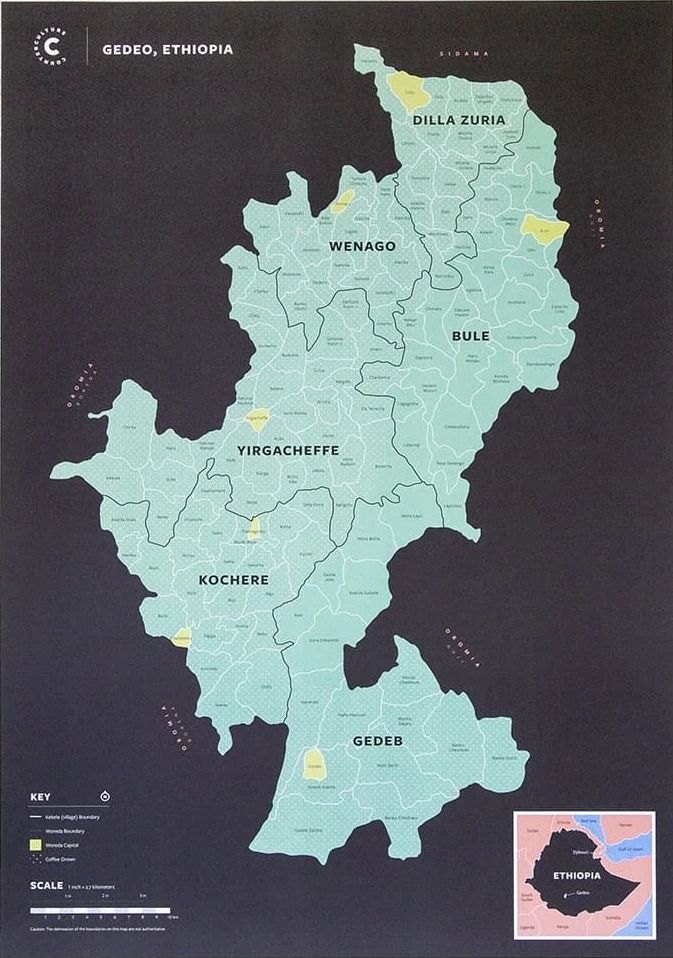
Although part of the larger Sidamo region, Yirgacheffe has long stood out as an independent specialty region due to its exceptional cup quality. Located in southwestern Ethiopia, Yirgacheffe’s coffee farms are mostly situated at elevations of1900 to 2300 metersabove sea level. The cool climate, abundant rainfall, and mineral-rich red soil collectively contribute to the unique character of the coffee from this area.
Yirgacheffe coffee is predominantly cultivated with “Heirloom” varieties—local landraces that have co-evolved with the environment over time, resulting in regionally distinctive flavor profiles. Most iconic are its bright citrus tones and delicate floral notes, often accompanied by a tea-like aftertaste, offering a refreshing yet layered cup.
Among them,the natural-process lot from the Gedeo Cooperativeis a classic representation of Yirgacheffe. Produced in the Wolkite area, this lot enhances fruitiness and sweetness through the natural process, often exhibiting aromas of black tea and citrus. As the cup cools, subtle transitions of cream and caramel can also be detected.
Sidamo: Berry and Honey Profiles in Diverse Microclimates
Compared to the more focused profile of Yirgacheffe, the Sidamo region presents a more diverse picture.Spanning elevations from 1400 to 2200 meters, the terrain varies from highlands to plains, and the fertile volcanic soils along with organic matter recycling contribute to the rich variability of coffee flavors here. Sidamo beans often showcase sweet notes of berries, honey, and tropical fruits, alongside a hint of wild complexity.
Takethe West ARSIarea as an example. The smallholder farming model and use of natural fertilization methods (such as leaf litter and plant residues) here result in coffee with intense fruitiness and pronounced sweetness. The natural-process lots from this area are often described as having aromas of berry jam and honey, with a round mouthfeel and long-lasting aftertaste.
The Key Impact of Varieties and Processing Methods
The coffee varieties in both Yirgacheffe and Sidamo are mostly “Heirloom,” which refers not to a single cultivar but to a diverse group of landraces that have adapted to the local environment over time, leading to highly regionalized flavor expressions. In terms of processing, both regions primarily use natural and washed methods, though Yirgacheffe’s washed beans tend to exhibit cleaner acidity and tea-like qualities, while Sidamo’s natural beans emphasize intense fruitiness and extended sweetness.
Practical Recommendations for Roasting and Brewing
Given the characteristics of Yirgacheffe and Sidamo, roasters typically opt for light to light-medium roasts to preserve their vibrant acidity and complex aromatics. For pour over, it is recommended to usewater at 90-91°C, paired witha fine grind size passing 80% through a #20 sieve(approximately the coarseness of granulated sugar), to fully extract the floral and fruity notes.
Specific brewing parameters can be referenced as follows: coffee dose15 grams, brew ratio1:15, first bloom with30 grams of water for 30 seconds, then pour up to125 gramswith a brief pause, and finally pour up to225 gramsto complete the extraction, with a total brew time of about2 minutes and 10 seconds. These parameters effectively balance acidity, sweetness, and aroma, making them suitable for most Ethiopian Heirloom coffees.
Conclusion: Finding Your Ethiopian Flavor
Yirgacheffe and Sidamo represent two classic styles of Ethiopian coffee—the former excels in bright citrus and floral notes, while the latter shines with sweet berry flavors and honeyed finishes. Whether you’re a coffee newcomer or a flavor-chasing enthusiast, understanding the characteristics of these two regions will help you select beans more precisely and adjust your brewing methods accordingly, ensuring each cup of Ethiopian coffee showcases its most captivating profile.
The above content is compiled by CoffeeHunters, a coffee news website.


