







Introduction:Yirgacheffe is renowned for its delicate floral aroma and bright acidity, making it a top choice for many beginners entering the world of specialty coffee. But with various processing methods such as washed and natural, and different brewing styles including hot drinks, iced drinks, and pour-over bags, how can you choose and brew to highlight its unique flavors? This article details the background of the Yirgacheffe region, the differences in processing methods, and provides practical pour-over, cold drip, and pour-over bag brewing parameters and tips to help you easily brew its captivating flavors.
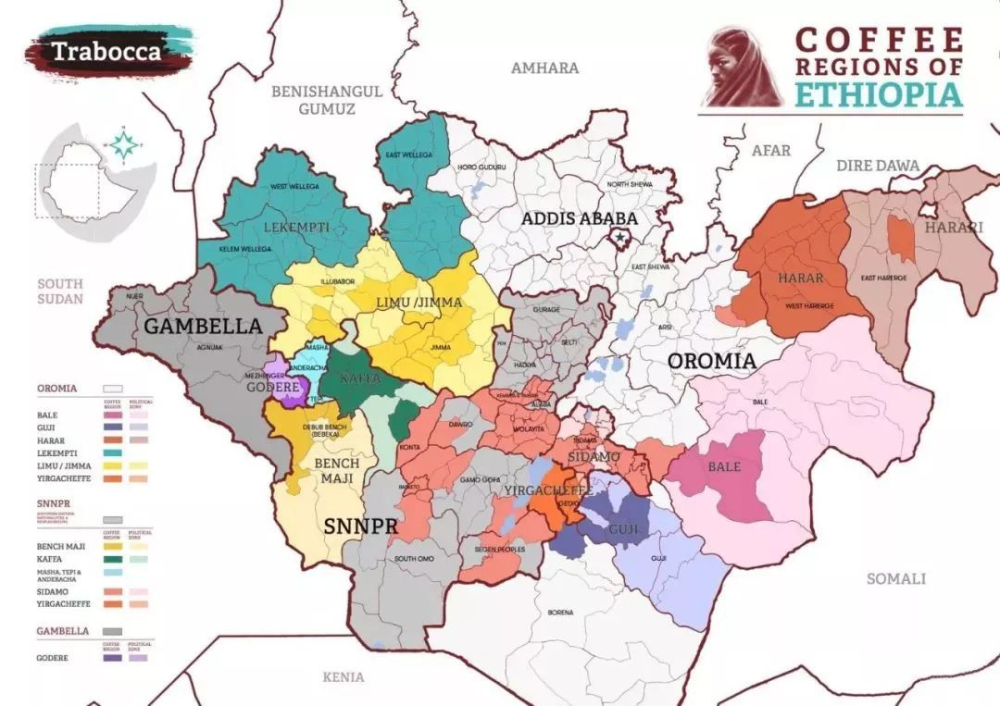
Yirgacheffe is a well-known high-altitude coffee region in southern Ethiopia. Originally part of Sidamo, it was later designated as an independent region due to its distinctive flavor profile. The coffees here are celebrated for their subtle floral notes, bright acidity, and rich fruity tones, serving as a bridge for many newcomers to specialty coffee. However, when faced with a wide array of coffee bean options, many people often don’t know where to start.
The popularity of Yirgacheffe lies not only in its regional terroir but also in its diverse processing methods. The most common are washed and natural processing, which differ significantly in aroma, acidity, sweetness, and mouthfeel. If you’ve ever ordered a coffee labeled “Yirgacheffe” at a café and been captivated by its unique, refreshing floral notes, you’ve likely encountered the washed version.
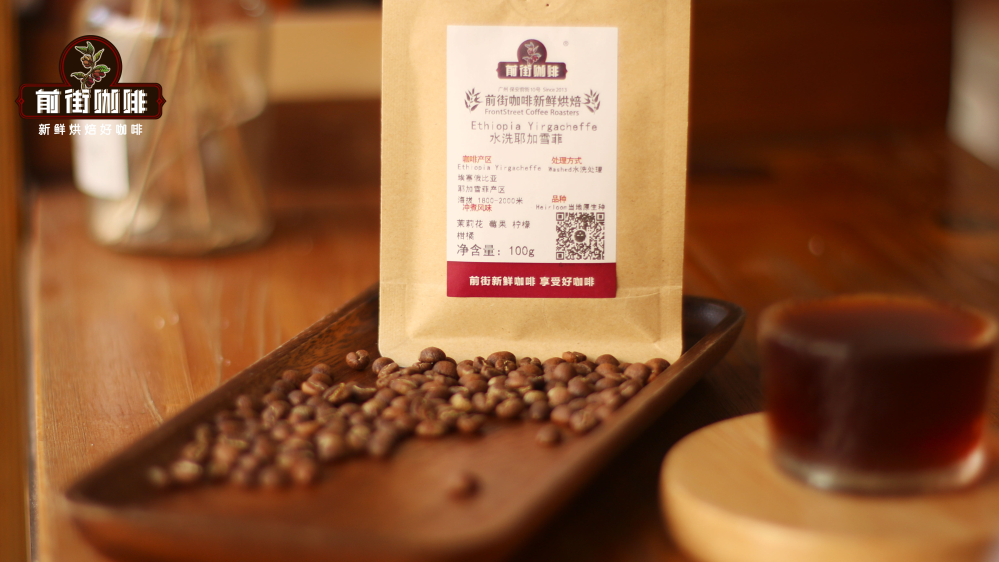
The washed process involves removing the skin and pulp of ripe coffee cherries, then using water tanks to ferment and remove the sticky mucilage layer before washing and drying. This method highlights a cleaner, more refined flavor profile, particularly excelling in showcasing white floral and citrus notes. Washed Yirgacheffe typically has a green tea-like body and soft acidity, making it ideal for those who prefer a clean and refreshing taste. If you enjoy clarity, brightness, and layered flavors, the washed version is your best bet.
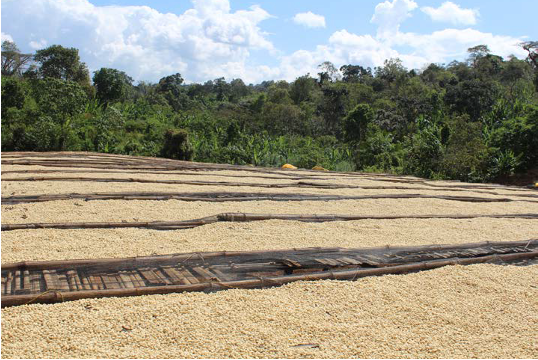
In contrast, the natural process leaves the entire coffee cherry intact, drying it directly in the sun so that the sugars in the pulp and mucilage fully penetrate the seeds. This results in richer fruitiness, stronger sweetness, and more complex layers with hints of wine or fermentation. For example, the common natural Yirgacheffe Red Cherry offers distinct berry-like acidity and sweetness with a honey aftertaste—making it a must-try for coffee lovers who enjoy bold and distinctive profiles.
Whether you choose the washed or natural version of Yirgacheffe, mastering the correct brewing techniques is essential to fully unlock its potential. Below are practical parameters and suggestions for three common brewing methods: pour-over, cold drip, and pour-over bags.
[Pour-Over Yirgacheffe Parameter Suggestions]
It is recommended to use a Hario V60 filter cone, with water temperature controlled at 90°C, a coffee dose of about 15 grams, a brew ratio set at 1:15, and a grind size roughly equivalent to a 20-mesh sieve passing rate of 80%. The coffee beans are ideally roasted 4 to 7 days prior, when they are at peak flavor. During pouring, start by adding 30 grams of hot water for a 30-second bloomto release CO₂; then slowly pour water in a circular motion from the center outward with a fine stream until reaching 125 grams, wait for the water level to drop slightly, then continue pouring up to 225 grams, keeping the total extraction time around 2 minutes.
[Cold Drip / Cold Brew Yirgacheffe Brewing Tips]
Cold drip allows coffee to extract slowly in a low-temperature environment, reducing over-extraction risks and highlighting the balance between sweetness and acidity. Recommended parameters: 15 grams of coffee, using 15 gramsof 10 times the amount of hot water (150 grams at 92°C)and 5 times the amount of ice (75 grams). Grind size is suggested to be a 20-mesh sieve passing rate of 83%(e.g., EK43s setting 9 or C40 setting 22). The process follows a three-stage method: first add 30 grams of hot water for a 30-second bloom, then add 60 grams of hot water, and finally the remaining 60 grams, with total time controlled within 1 minute 50 seconds to 2 minutes, allowing the coffee to slowly extract as the ice melts, resulting in a smoother flavor.
[Pour-Over Bag Brewing Suggestions]
Pour-over bags are a convenient way to enjoy specialty coffee at home or in the office. Taking Yirgacheffe as an example, each pour-over bag contains about 10 gramsof coffee grounds, with a recommended total water volume of 150–180 millilitersand a brew ratio of about 1:15 to 1:18. If you prefer a stronger taste, you can do a three-stage pour: first wet the coffee grounds in the filter bag with a small amount of hot water (about 30–40 grams), let it sit for 20 seconds, then pour water in two batches until nearly full, for a total time of about 1 minute and 30 seconds. Since pour-over bags use non-woven fabric filters, the brewed coffee has less oil but retains clear acidity, sweetness, and layered flavors.
Among them, the washed version pour-over bag (such as Ding Ding) offers citrusy acidity and green tea-like body, with a refreshing and delicate flavor; while the natural version pour-over bag (like Red Cherry) presents ripe fruit acidity and sweetness with a honey aftertaste, delivering a smoother and sweeter mouthfeel. No matter which one you choose, as long as you get the water temperature, brew ratio, and pouring rhythm right, you can easily enjoy the unique charm of Yirgacheffe.
The above content is compiled by CoffeeHunters, a coffee news website.


