








Introduction:On a hot summer day, there's nothing more refreshing than a chilled iced coffee. But do you know the fundamental differences between an Americano, pour over, cold brew, and cold drip? This article delves into the four major types of iced coffee, covering extraction principles, preparation processes, time required, difficulty level, and flavor characteristics. It also provides practical parameters and tips to help you find your ideal iced coffee match.
Among the many coffee options, iced coffee stands out as a summer favorite due to its refreshing taste. However, although Americanos, pour overs, cold brews, and cold drips are all "iced," they differ significantly in brewing methods, flavor profiles, and production techniques. Focusing on these four common types of iced coffee, this article explores their essential distinctions—from extraction principles and brewing steps, to time requirements, difficulty, and the resulting flavor characteristics.
Let’s start with the brewing methods. Both Americanos and pour overs actually use hot water to extract the coffee first, then quickly cool it down by adding ice—this is a combination of “hot extraction + cooling.” In contrast, cold brew and cold drip coffee use cold water throughout the process, extracting coffee flavors slowly through time and temperature control—this is a “cold extraction” process. This difference not only affects the extraction efficiency but also directly influences the final flavor outcome.

The Americano is one of the most common types of iced coffee, and its preparation is relatively simple: first, extract an espresso shot using an espresso machine (it’s recommended to use about 20 grams of coffee grounds, with a 1:2 coffee-to-water ratio, extracting 40 grams of espresso within 25–33 seconds), then pour it into a cup filled with pre-prepared ice and water, and stir well. A common recommendation is to use 90 grams of ice with 180 grams of water, though you can adjust the ratio to suit personal taste. This method is fast, taking just a few minutes to complete, making it perfect for those who want convenience without sacrificing coffee aroma. Classic Italian-style espresso Americanos often feature rich roasted nut, chocolate, and caramel notes, with a full-bodied and smooth mouthfeel that feels even more refreshing when chilled.
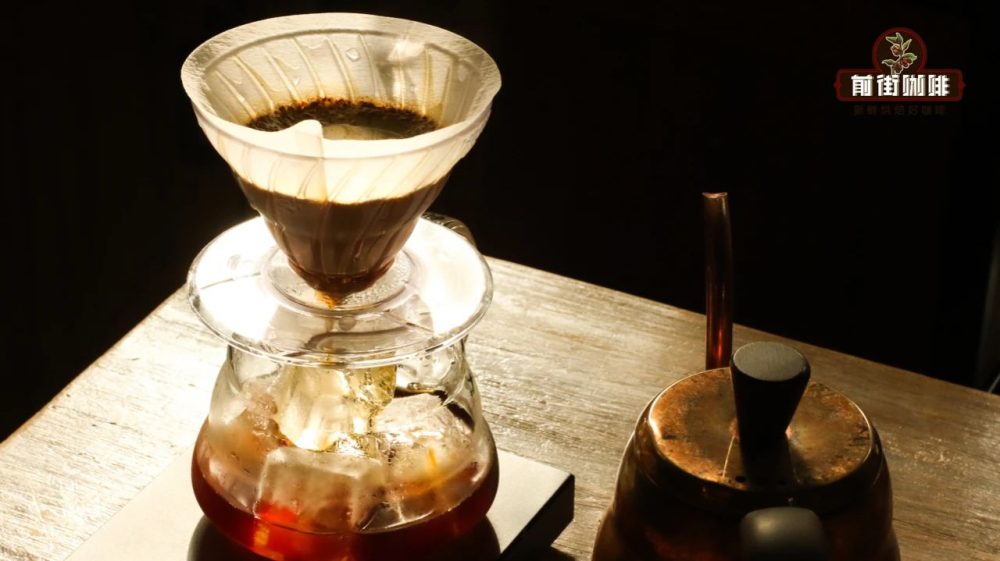
Pour over iced coffee, on the other hand, uses a higher concentration extraction during the hot water brewing stage, then dilutes and cools it with ice—this is a combination of “high-concentration extraction + cooling.” For example, using 15 grams of medium-light roasted coffee beans, it’s recommended to brew with 10 times the amount of hot water (150 grams, about 92°C), then use 5 times the amount of ice (75 grams) for cooling. The grind size is roughly 83% passing through a #20 sieve. Use a Hario V60 filter cone and a three-stage pouring technique: first, pour 30 grams of hot water at a rate of 3 ml/s, blooming for 30 seconds; then pour 60 grams of water, paying attention to controlling the liquid level; finally, pour the remaining 60 grams of hot water. The total brewing time should be controlled between 1 minute 50 seconds and 2 minutes. This method highlights the layered complexity and clarity of the coffee’s flavors, offering a brighter flavor profile that’s ideal for coffee lovers who prefer a delicate taste.
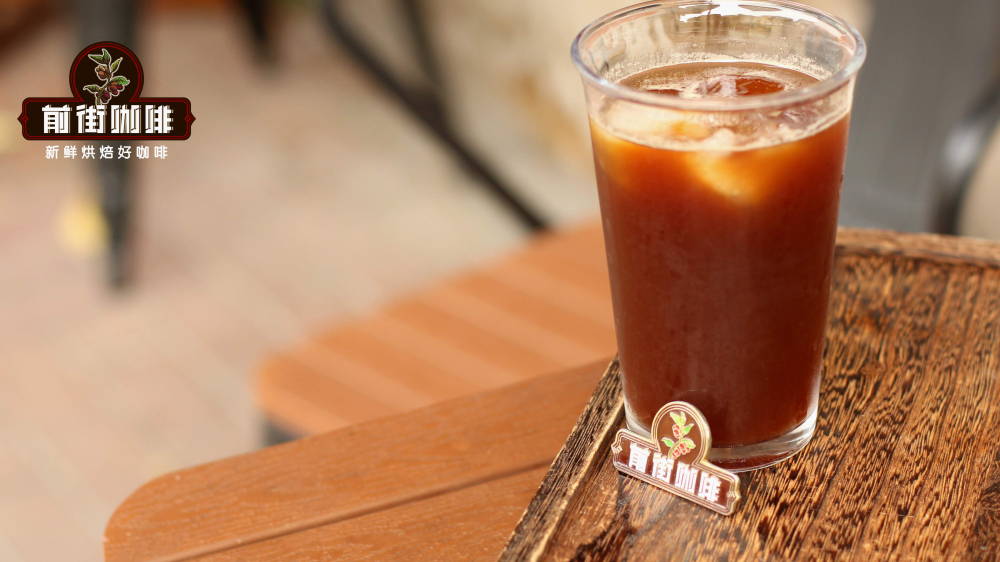
Cold brew coffee requires no hot water at all. Instead, coarse-ground coffee powder (recommended to be ground to the fineness of fine sugar, about 80% passing through a #20 sieve) is mixed with cold water at a 1:10 coffee-to-water ratio, then placed in a sealed container and refrigerated for 8–12 hours. For example, using 60 grams of coffee beans with 600 grams of water, it’s advised to stir well before refrigeration. After soaking, stir again and filter out the coffee grounds. Because of the long extraction time, fewer bitter substances are dissolved, resulting in a sweeter, fuller-bodied flavor, often accompanied by fruity notes and a wine-like body. For instance, strawberry-flavored beans may yield cold brew with rose floral notes, raisin aromas, and a round mouthfeel. The liquid may be slightly less clear but exhibits distinct layers.
Cold drip coffee is the most time-consuming and technique-sensitive of all iced coffee methods. It uses slowly dripping ice water (typically recommended at a rate of 7 drops per 10 seconds, though you can adjust according to preference) to continuously extract flavor compounds from the coffee grounds. The recommended coffee-to-water ratio is 1:10; for home brewing, you can adjust it to 1:12–1:14 to reduce concentration. Generally, 60 grams of coffee grounds are used to produce 600 grams of coffee liquid, taking about 6–8 hours in total. It’s recommended to place filter paper above the coffee layer and pre-wet the grounds to aid uniform extraction. Common flavor traits of cold drip coffee include a noticeable fermentation note, wine-like aromas, and a relatively prominent bitterness. It has a rich, full-bodied mouthfeel with complex layers, making it the top choice for those seeking an ultimate flavor experience.
In terms of preparation time, Americanos and pour overs are the fastest options, typically taking just a few minutes; cold brew, on the other hand, requires refrigerating coffee grounds with water for 8–12 hours, making it a “prepare in advance, enjoy anytime” type; cold drip takes even longer, requiring about 6–8 hours of dripping to complete, and is also best prepared ahead of time. If you value convenience and speed, the first two are better suited for daily use; if you’re willing to wait, cold brew and cold drip offer deeper flavor experiences.
Regarding ease of home preparation, pour overs and cold brew have the lowest equipment requirements—you only need basic pour over tools or a sealed container, making them ideal for beginners or those who prefer simple brewing. Americanos require an espresso machine, which sets a certain equipment threshold; cold drip coffee, in addition to needing specialized dripping equipment, also involves mastering details like flow rate and coffee-to-water ratio, making it relatively more challenging for beginners.
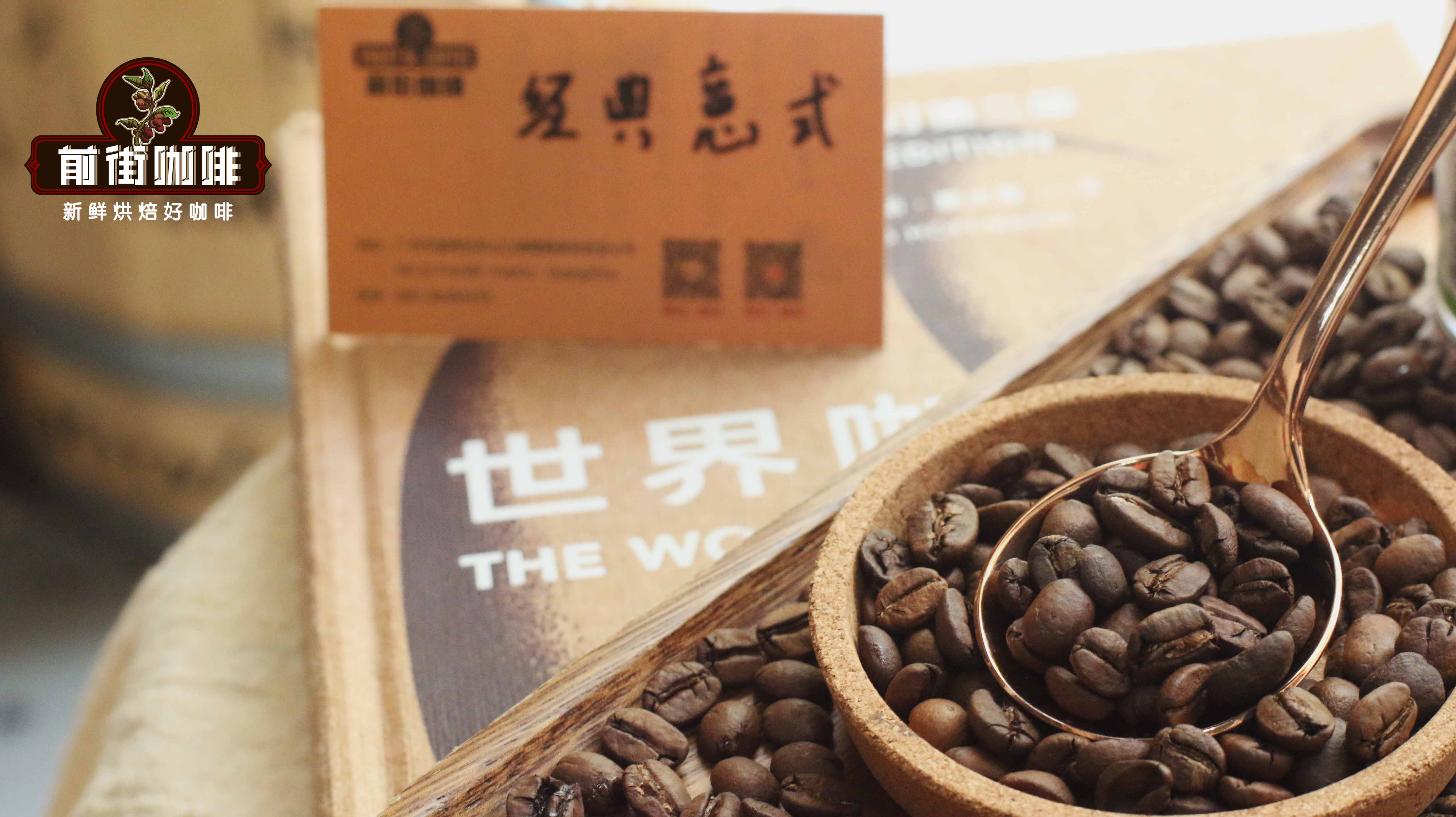
When it comes to flavor and mouthfeel, although the acidity, sweetness, and bitterness of coffee are primarily determined by the bean variety and roast level, different brewing methods still yield noticeably different styles. Americanos, being hot-extracted then cooled, usually present more direct flavors with a refreshing mouthfeel, making them great for experiencing the base characteristics of the coffee beans—for example, classic Italian blends often showcase black chocolate, nut, and caramel notes, though the liquid might appear somewhat cloudy. Pour overs, due to the dual effects of high-concentration extraction and cooling, offer clear, well-defined flavors with good transparency and are easier on the palate. Cold brew coffee has low bitterness, pronounced sweetness, a full-bodied texture, and a rich body, though it may be slightly less clear than pour overs, its overall profile is smoother and rounder. Cold drip coffee, thanks to prolonged low-temperature extraction, often carries fermentation-like flavors such as wine or lactic notes, with relatively noticeable bitterness, yet it offers the richest flavor layers, making it the ideal choice for flavor explorers.
The above content is compiled by CoffeeHunters, a coffee news website.


