








Introduction:Want to dive deep into the unique charm of Yunnan small-grain coffee? This article takes you on a comprehensive journey through its growing regions, main varieties, processing method differences, and pour over parameters, helping you fully understand this well-balanced and highly acclaimed Arabica variety. Whether you’re a beginner or a seasoned coffee enthusiast, you’ll learn about Yunnan coffee’s grading system, pour over recommendations, and key flavor characteristics, along with practical brewing settings to help you achieve the best results.
In recent years, Yunnan small-grain coffee has gradually emerged in the specialty coffee market. Its distinctive regional flavors and relatively affordable price make it a popular choice for both coffee newcomers looking to try something new and daily drinkers. This article will provide a detailed introduction to the development trajectory of Yunnan small-grain coffee, the characteristics of its main producing areas, core varietal differences, common processing methods, and how to bring out its most enchanting flavor profile through pour over techniques.
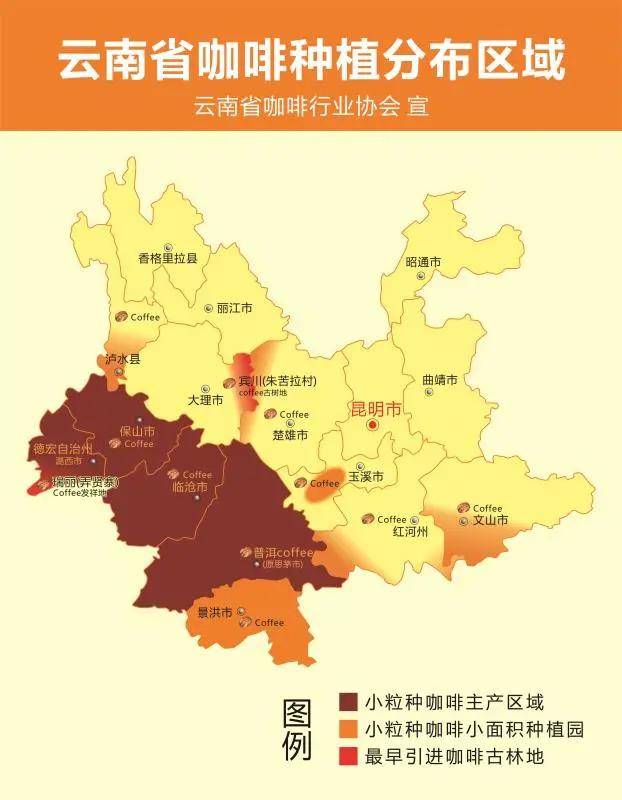
Looking back at history, the cultivation of coffee in Yunnan dates back to 1904, when French missionary Tien Defeng planted the first coffee tree in Zhukula Village, Binchuan County, Dali. Some of the original plants still remain today. By the 1950s, the Yunnan Academy of Agricultural Sciences officially introduced and trialed coffee cultivation, and in the 1980s, with the push of international brands like Nestlé, Yunnan coffee gradually moved toward scaled production. Today, regions such as Lincang, Baoshan, Pu’er, and Xishuangbanna are all important producers of Yunnan small-grain coffee.

Yunnan’s coffee-growing belt is mainly distributed between 15°N latitude and the Tropic of Cancer, with elevations generally ranging from 1,000 to 2,000 meters. The geographical conditions are similar to many renowned coffee-growing regions. These mountainous slopes offer suitable day-night temperature variations, ample sunlight, and rainfall, which contribute to the balanced acidity and sweetness, as well as rich fruity notes, of Yunnan small-grain coffee. In particular, Baoshan’s Lugujiang Dam, with its stable climate and almost no frost, is considered the golden growing area for small-grain coffee.
When it comes to varieties, Yunnan primarily grows Arabica small-grain coffee, with Typica and Catimor being the most representative. Typica is a traditional old variety known for its elegant aroma but lower yield; Catimor, on the other hand, is a hybrid variety introduced from Kenya in 1991, resulting from a cross between Caturra and Timor, and is characterized by stronger disease resistance and high productivity. It currently makes up the vast majority of coffee plantings in Yunnan. Although Catimor carries a small amount of Robusta genetics, advances in cultivation and post-harvest processing techniques have significantly improved its flavor, often exhibiting layers of nuts, black tea, and gentle fruit acidity.
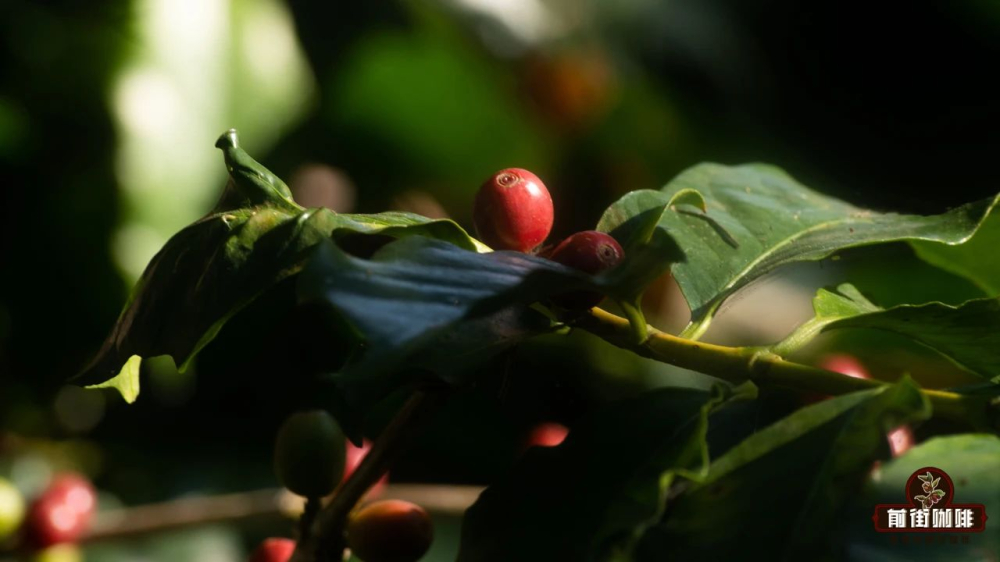
In terms of processing methods, Yunnan coffee commonly employs two traditional techniques: washed and natural (sun-dried). The washed method removes the pulp through fermentation, highlighting a clean and clear flavor profile that showcases the region’s foundational notes, such as nuts and subtle sweetness. The natural method retains the fruit fermentation process, imparting more intense fruitiness and layered fermentation characteristics, often featuring tropical notes like berries or brown sugar. Many coffee farms also flexibly choose the most suitable processing method based on climate and market demand.
For pour over enthusiasts, it is recommended to choose freshly roasted Yunnan small-grain coffee beans. The optimal tasting period is usually after 3 to 7 days of resting post-roast. A medium-light to medium roast is generally used to balance its herbal notes and full-bodied mouthfeel. It is recommended to use a V60 filter cone, with 15 grams of coffee grounds, 90°C water temperature, and a 1:15 coffee-to-water ratio, using a grind size of about 80% through a 20-mesh sieve. Begin with a 30-second bloom using 30 grams of water, followed by two pours totaling 195 grams, keeping the total extraction time around 2 minutes. This will fully highlight its nutty, brown sugar, and black tea finish.
If you choose a washed Yunnan Catimor, you can expect pronounced nutty aromas and brown sugar sweetness, with a gentle plum acidity emerging as the temperature drops slightly, and a smooth black-tea-like aftertaste. The natural version, meanwhile, adds complexity from fruit fermentation, with honey and berry notes becoming more prominent. Regardless of the processing method, Yunnan small-grain coffee showcases diverse flavor expressions across its layers.
In summary, Yunnan small-grain coffee, with its unique geographical conditions and continuously improving cultivation and post-harvest techniques, has secured a place in the global specialty coffee market. From regional characteristics, varietal evolution, processing method differences, to practical pour over parameter suggestions, this article provides you with a complete map of understanding. Whether you’re just getting started or searching for a new daily brew, you can find your own flavor story in Yunnan small-grain coffee.
The above content is compiled by CoffeeHunters, a coffee news website.


