







Introduction:Why has Panama’s Geisha from Hacienda La Esmeralda become a global sensation with prices that remain sky-high? This article delves into the origin of the variety, its key differences from Ethiopian Geisha, and explains in detail the grading logic behind Red Label and Green Label. It also provides practical pour over brewing recommendations for the washed Geisha Green Label from Hacienda La Esmeralda, including water temperature, brew ratio, and step-by-step details to help you master the brewing techniques of this top-tier coffee bean.
In the world of specialty coffee, a few beans stand out thanks to their unique flavors and legendary stories, and Panama’s Hacienda La Esmeralda Geisha is one of them. This variety, originating from Ethiopia but flourishing in Panama, has not only won numerous international competitions but also become a highly sought-after gem among coffee enthusiasts due to its rarity and distinctive aromas.
The history of Geisha dates back to 1931, when a British explorer discovered a coffee variety called “GEISHA” in Ethiopia. This variety was later introduced to Kenya and Tanzania, eventually making its way to CATIE Agricultural Research Center in Costa Rica, where it was cataloged as T2722. Initially, it drew attention for its disease resistance, but its flavor profile was average and it remained overlooked for a long time. It wasn’t until the 1960s that Don Pachi Estate in Panama introduced the variety, but due to its fragile plants and low yield, Geisha failed to make an impact.
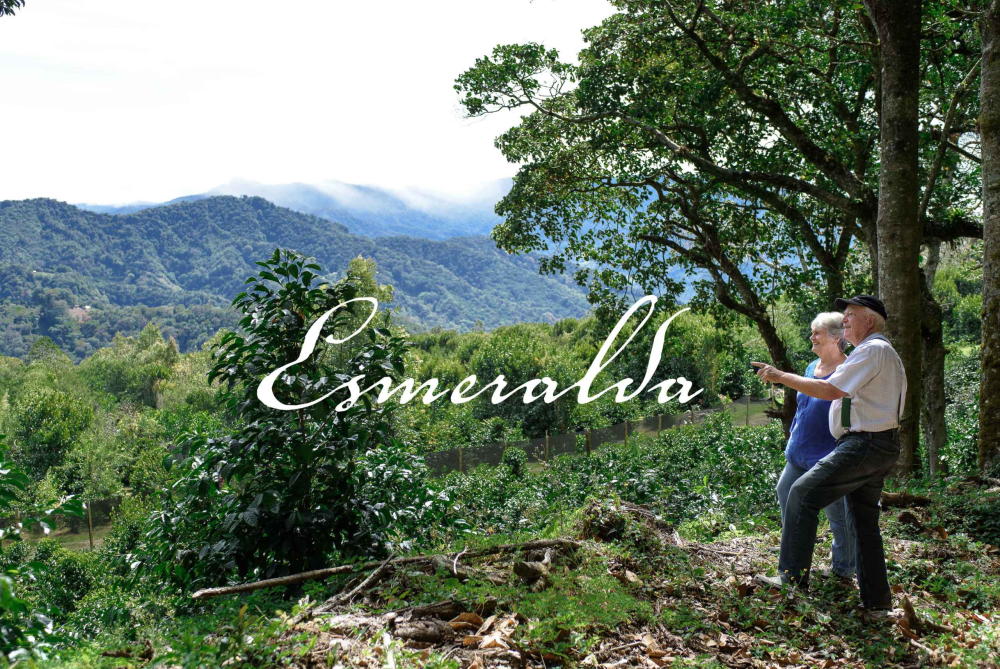
The turning point came in the late 20th century, when Hacienda La Esmeralda in Panama’s Boquete region introduced multiple varieties, including Geisha, in an effort to improve coffee quality. After tasting and comparing, the estate owner was amazed to discover that Geisha had a highly distinctive flavor profile: bright citrus acidity, honey-like sweetness, and delicate floral notes reminiscent of jasmine, with a clean and layered mouthfeel. This was vastly different from the common high-altitude coffee flavors in the area, making it instantly recognizable.
Subsequently, Hacienda La Esmeralda submitted carefully selected Geisha beans to the Best of Panama (BOP) competition, not only winning the championship but also shattering the record for green coffee auction prices. This event shocked the global coffee industry, prompting estate owners everywhere to re-examine their farms for overlooked Geisha plants, and officially kicking off the global specialty coffee boom of Geisha.
Today, Geisha has taken root in multiple producing regions around the world, including Bolivia, El Salvador, Colombia, and even Yunnan in China and Taiwan. However, many coffee experts still believe that if you want to experience the most classic and representative Geisha flavor, the products from Hacienda La Esmeralda in Panama remain the top choice. Some baristas say that even after trying Geisha from various countries, the Panamanian version, with its unique aromas and balance, remains unmatched.
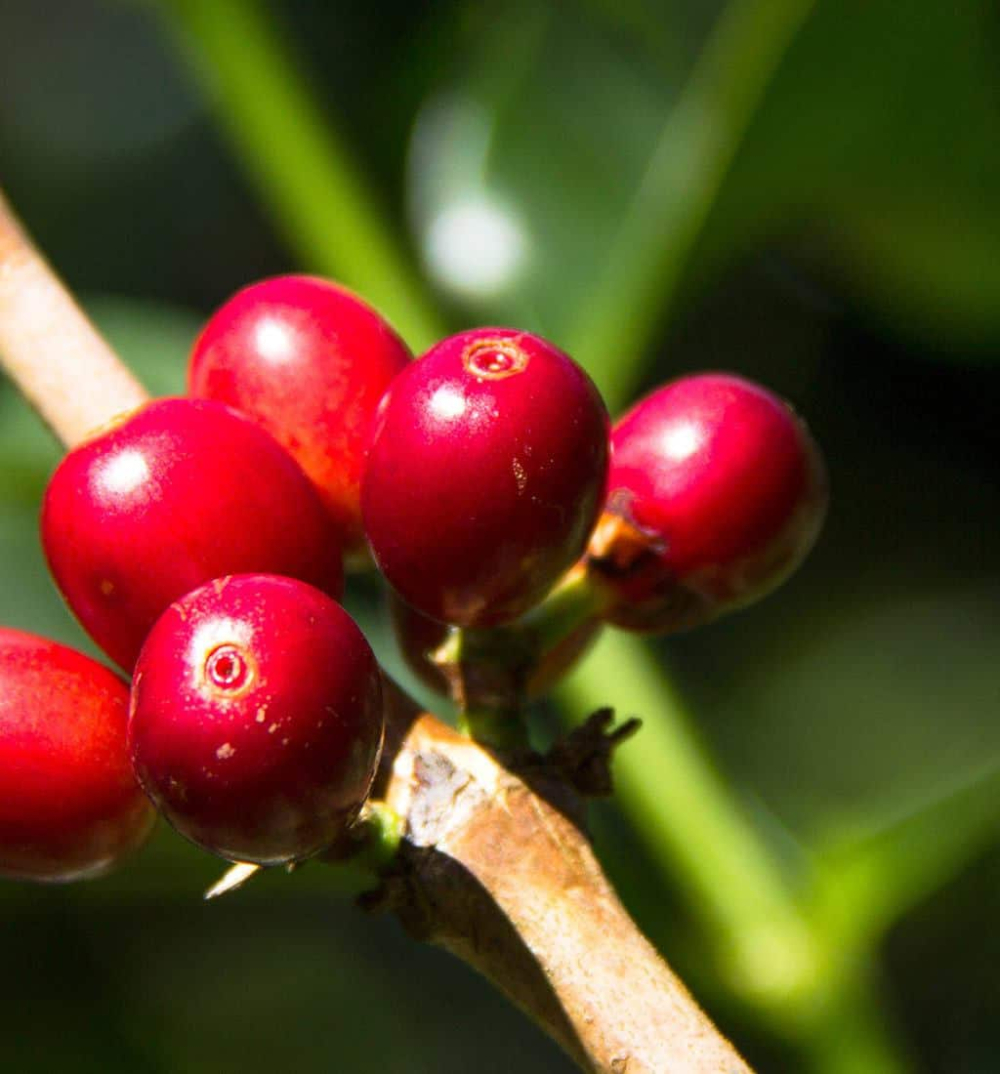
When talking about Panamanian Geisha, one must mention Hacienda La Esmeralda’s famous Red Label, Green Label, and the former Blue Label grading system. The Red Label Geisha is sourced from specific micro-lots within single estates, typically grown at altitudes of 1,600 to 1,800 meters or higher, offering exceptional flavor purity and consistency—it’s synonymous with top-tier, collectible-grade coffee. The Green Label uses Geisha beans from multiple plots grown between 1,600 to 1,800 meters. Though it doesn’t specify exact lots, it still showcases the classic characteristics of Geisha and offers better value, making it ideal for everyday drinking and exploration.
Notably, starting in 2021, Hacienda La Esmeralda discontinued the Blue Label product line. However, market reports suggest that the Blue Label-grade Geisha originally grown at around 1,500 meters was sold to certain green coffee traders—these are the so-called Las Rocas lots. Their flavor and appearance remain similar to the former Blue Label and are worth keeping an eye on for coffee enthusiasts.
Many consumers wonder, what’s the difference between Panamanian Geisha and the original Ethiopian Geisha? In short, although both share the same origin, differences in growing environment, management practices, climate conditions, and post-harvest processing result in Panamanian Geisha having more intense and refined aromas, brighter and more complex acidity, as well as superior sweetness and body. Scientific research also shows that the genetics of Geisha from the two regions have diverged significantly. Coupled with Hacienda La Esmeralda’s successful branding and market positioning, Panamanian Geisha commands high prices and has become a “dream coffee” for many coffee lovers.
If you plan to try pour over brewing with Hacienda La Esmeralda Green Label Geisha yourself, here are professional recommended parameters and steps to help bring out its optimal flavor:
Brewing Equipment: Hario V60
Water Temperature: 90°C
Coffee Dose: 15 grams
Brew Ratio: 1:16 (total water 240 grams)
Grind Size: Approximately 80% passing through a Chinese standard No. 20 sieve (medium-fine, similar to the texture of fine sugar)
It is recommended to use freshly roasted beans within 5 days of roasting and let them rest for 4 to 7 days after arrival to complete the degassing period. Before brewing, start with a 30-second bloom by pouring about 30 grams of hot water to help the coffee grounds fully degas and lay the foundation for subsequent extraction. Then, pour slowly in a circular motion from the center outward with a thin stream of water, gradually adding up to 140 grams. When the water level is about to uncover the coffee bed, continue pouring up to 240 grams. The total brew time should be controlled around 2 minutes and 15 seconds.
A special reminder: Geisha beans have strong extraction tolerance. Using a 1:15 brew ratio can easily lead to overly concentrated flavors or even astringency. Opting for a 1:16 ratio helps the flavors unfold, resulting in more expressive floral notes, gentler acidity, along with delicate honey-like sweetness and a unique aftertaste—like the lingering finish of Tieguanyin tea—that leaves a lasting impression.
In summary, Panamanian Geisha is not just a coffee, but an important chapter in the history of specialty coffee. From its ancient roots in Ethiopia to its stunning revival at Hacienda La Esmeralda in Panama, and now as a top-tier bean sought after by coffee lovers worldwide, every step of its journey is filled with stories and surprises. If you haven’t yet experienced this uniquely flavorful and layered coffee, why not try brewing it yourself following the recommendations above and discover how it unfolds unparalleled aromas and tastes from your cup.
The above content is compiled by CoffeeHunters, a coffee news website.


