







Introduction:Indonesian Mandheling is a globally renowned representative of dark-roasted coffee, beloved by coffee enthusiasts for its distinctive low-acidity, full-bodied taste. This article will take you on an exploration of Sumatra’s two core regions—Lake Toba and Lake Towuti—analyze the evolution of varieties such as Typica, Tim Tim, and Catimor, delve into how the wet-hulling process shapes Mandheling’s unique flavor profile, and provide practical pour over parameters and flavor descriptions to help you better understand this classic coffee.
When it comes to Indonesian coffee, most people immediately think of Mandheling. This dark-roasted coffee from the equatorial volcanic belt is famous for its rich herbal, nutty, and caramel aromas, with a full-bodied mouthfeel and a long-lasting aftertaste. However, not everyone is accustomed to its low acidity, and once you grow to like it, you’ll often find it hard to resist its depth and richness.
Interestingly, the name “Mandheling” does not originate from a region or variety, but is the result of a historical misunderstanding. During World War II, a Japanese soldier in Indonesia tasted a rich-flavored coffee and asked the shop owner what variety it was. The owner mistakenly thought the soldier was asking where he was from and answered “Mandheling.” When the soldier returned home and searched for this coffee, the name was mistakenly passed on as “Mandheling,” and it has been known as such ever since.
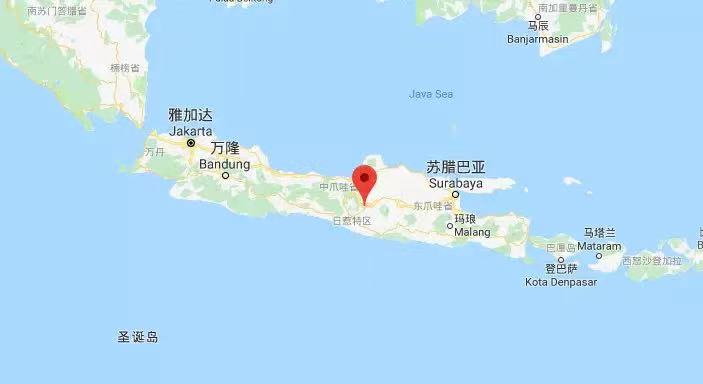
As a globally significant coffee-producing country, Indonesia’s coffee cultivation history dates back to the 17th century. In 1696, the Dutch first introduced coffee, but the attempt failed due to flooding. It wasn’t until 1699 that coffee was reintroduced, and in 1711, the first coffee exports to Europe took place. Initially, planting was concentrated in Java, later expanding to Sumatra. However, by the late 19th century, coffee leaf rust ravaged the region, leading to the death of many coffee trees and prompting farmers to switch to more disease-resistant varieties.
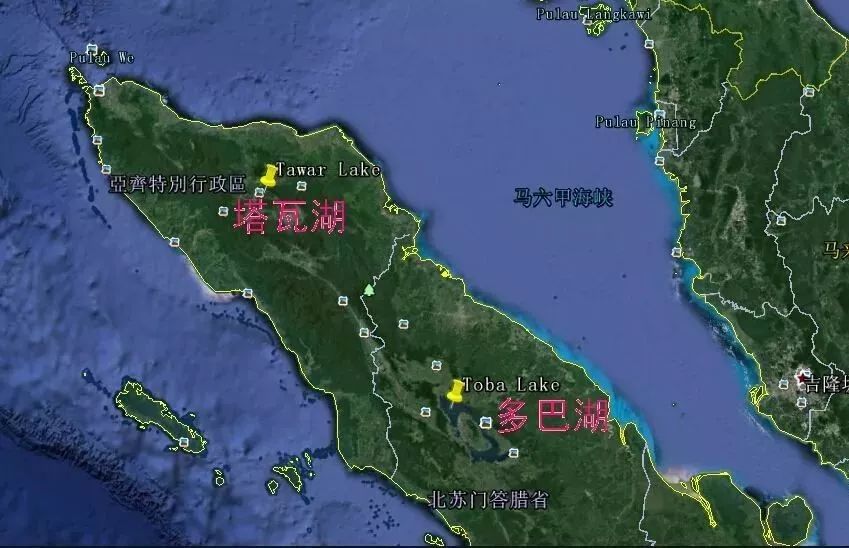
Sumatra is the soul of Indonesian coffee, especially the regions of Aceh and North Sumatra in the western part of the island. These two provinces are home to Lake Towuti and Lake Toba, respectively, providing ideal altitudes and microclimates for coffee cultivation. Lake Toba, the world’s largest volcanic lake, sits at an altitude of about 1,400 meters. The surrounding Lintong region, with its fertile volcanic soil and stable rainfall, produces coffee with intense flavors. Meanwhile, Lake Towuti in Aceh, situated in the Gayo Mountains at over 1,500 meters above sea level, presents both challenges and opportunities for coffee growth.
The Lintong region is located on the southwestern side of Lake Toba, at an altitude of 1,000 to 1,500 meters. It was historically dominated by the Typica variety, but in recent years, many new varieties have been planted to boost yield, leading to a decline in flavor consistency. In contrast, the Lake Towuti region in Aceh still insists on planting traditional Typica, resulting in relatively stable coffee quality. Some major exporters, such as PWN (Pusat Penyangga dan Pemasaran Kopi Nusantara), focus their resources here.
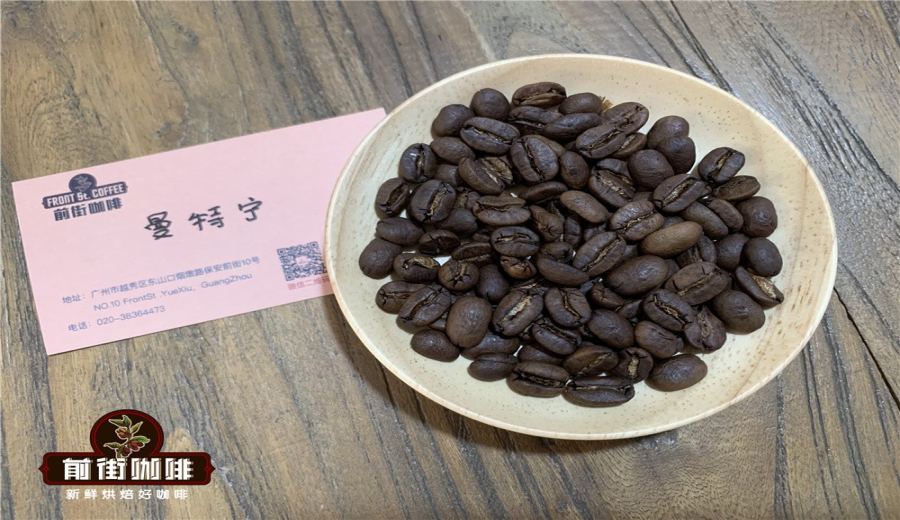
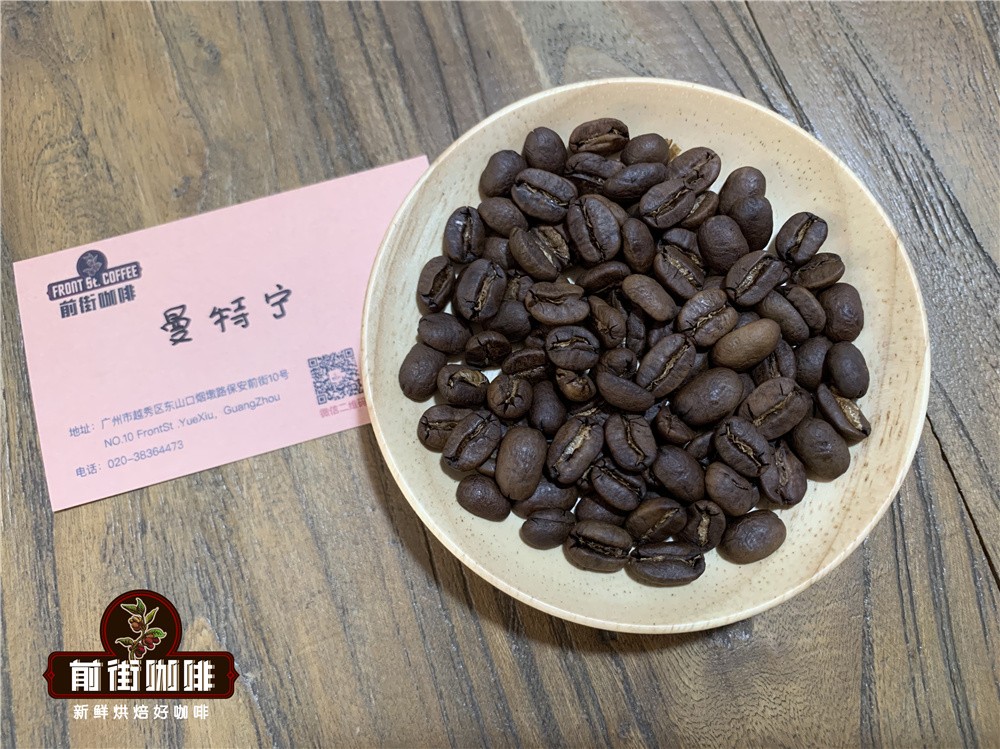
Lintong Mandheling coffee usually has strong spicy and herbal aromas, with a bold flavor, making it an economical choice for experiencing Sumatran coffee. A certain well-known coffee shop’s Golden Mandheling, on the other hand, is carefully selected G1-grade green beans by PWN, undergoing four rounds of manual sorting to ensure uniform bean size. This results in a cleaner, brighter flavor and fewer off-notes after brewing. Both types of coffee use Indonesia’s unique wet-hulling process, giving them their signature low acidity and full body.
Indonesia’s humid climate is not conducive to traditional sun-drying or washed processing, so the region has developed its distinctive wet-hulling method. This approach removes the parchment layer while the beans are still semi-dry, significantly shortening the processing time while reducing acidity and enhancing the full-bodied taste. During processing, coffee beans often develop the “elephant foot” phenomenon due to external forces, which is not a defect but a typical characteristic of the wet-hulling method.
The evolution of Mandheling varieties is also noteworthy. The original Typica variety, introduced by the Dutch from Java in the 17th century, offers a clean and elegant flavor but suffers from low yield and susceptibility to coffee leaf rust. Later, due to the prevalence of diseases, more disease-resistant varieties like Catimor and Tim Tim were planted. Tim Tim is a natural hybrid of Typica and Robusta, combining yield potential and disease resistance; Catimor is a cross between a Bourbon variant and Tim Tim. Although in some regions it is considered lacking in flavor, in Sumatra’s unique environment, it exhibits rich woody notes and a full-bodied mouthfeel.
For pour over enthusiasts, a certain well-known coffee shop recommends using the KONO filter cone for deeply roasted Mandheling. The specific parameters are: water temperature 88°C, coffee dosage 15 grams, coffee-to-water ratio 1:15, grind size medium-coarse (75% passing through a Chinese No. 20 sieve). Use a pulsed pouring method: start with a 30-second bloom using 30 grams of water, then pour 125 grams and 225 grams of water in separate steps, with a total brew time of about 2 minutes. This method effectively balances concentration and flavor, highlighting the bold characteristics of Mandheling.
[Flavor Profile of Lintong Mandheling from a Certain Well-Known Coffee Shop] Herbal, chocolate, caramel, with an overall balanced expression.
[Flavor Profile of Golden Mandheling from a Certain Well-Known Coffee Shop] Nutty, spicy, herbal, licorice, chocolate, caramel, with a richer layered complexity.
A certain well-known coffee shop recommends that the optimal flavor window for the beans is 5 days to one week after roasting, with a resting period of about 4–7 days. If purchasing coffee powder, please consume it promptly to avoid oxidation affecting the flavor. For the best experience, opt for whole beans and grind them fresh before brewing to fully appreciate the unique charm of Mandheling.
The above content is compiled by CoffeeHunters, a coffee news website.


