







Introduction:Delve into the historical origins and regional characteristics of Indonesian Sumatra Mandheling coffee, from the WWII-era misunderstanding that gave rise to the name "Mandheling," to the unique terroirs of Gayo Mountain in Aceh and the Twin Lakes region. This article provides a comprehensive analysis of how the wet hulling process contributes to its rich, herbal flavor profile. We’ve also compiled the flavor wheel and practical pour over parameters for Lintong and Golden Mandheling to help you master the essence of this classic Asian coffee.
When it comes to Indonesian coffee, the name "Mandheling" is almost synonymous with Sumatran Arabica. Interestingly, "Mandheling" actually originated from a WWII-era misunderstanding. It’s said that a Japanese soldier, while tasting a rich cup of coffee at an Indonesian café, curiously asked the shop owner what kind of coffee it was. The owner, however, misunderstood the question as being about where he was from, and replied "Mandailing." After the war, the soldier began referring to that unforgettable cup of coffee as "Mandheling," and the name eventually came to be used generically for Arabica coffee produced in Sumatra.
Sumatra is a key coffee-producing region in Indonesia, with a coffee culture that dates back to the late 17th century when Dutch colonists introduced the Arabica Typica variety to Indonesia. It was first successfully cultivated on Java Island before being expanded to Sumatra and Sulawesi. However, the coffee leaf rust disease of 1877 nearly wiped out the local Arabica plantations, forcing farmers to switch to the more disease-resistant Robusta. To this day, around 90% of Indonesia’s coffee production remains Robusta. Nevertheless, Sumatran Mandheling, as one of the few representative Arabica varieties, has stood firm thanks to its distinctive flavor.
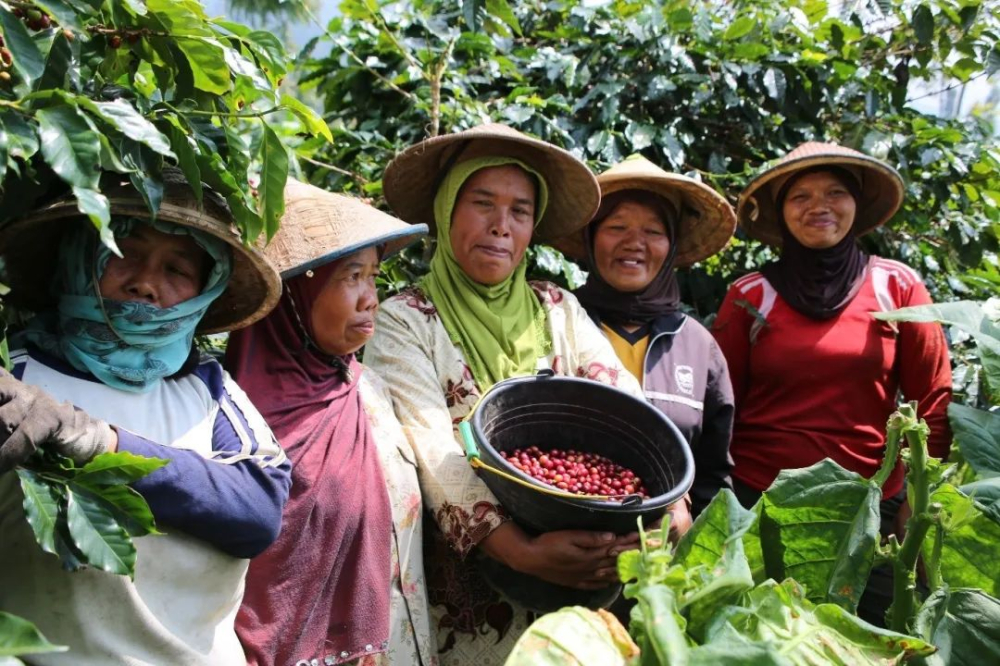
Indonesia is located in a tropical rainforest climate zone, characterized by high temperatures and humidity year-round, with average temperatures ranging between 25–27°C and annual rainfall reaching 1600–2200 mm. Coupled with its volcanic geography, the region boasts mineral-rich, fertile soil—ideal conditions for coffee cultivation. The main harvest seasons are the primary season from September to October and the secondary season from May to June. In recent years, with a rebound in production, export volumes have also seen significant growth.
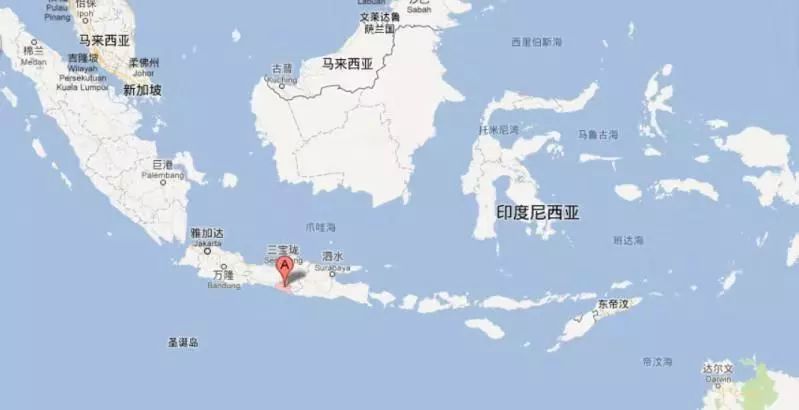
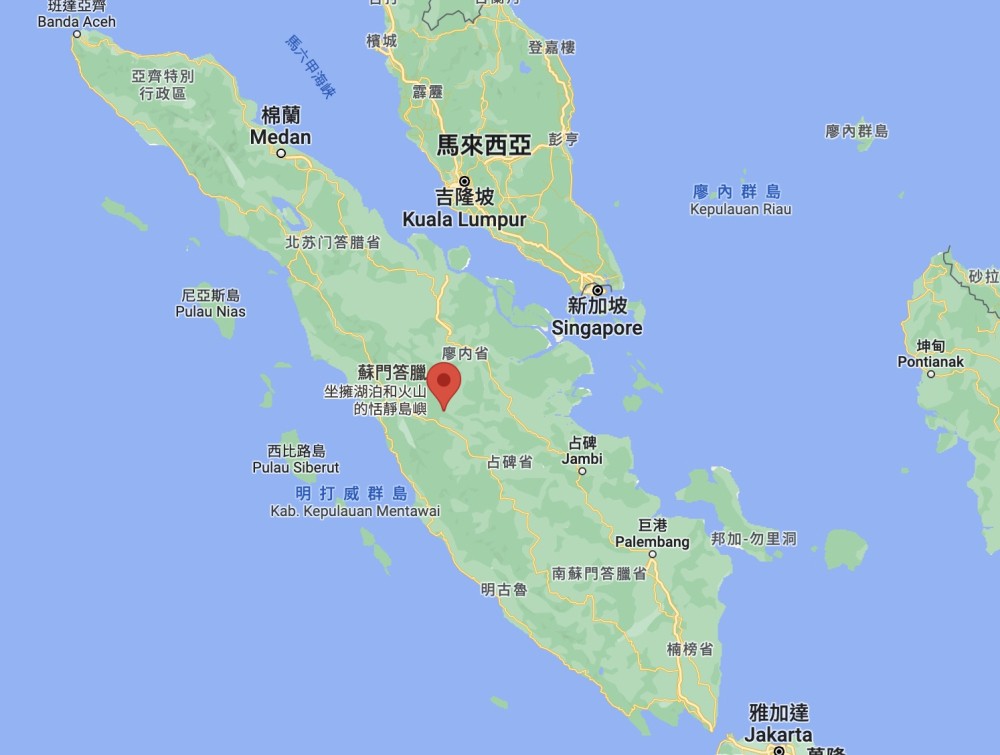
The renowned coffee-growing regions of Sumatra are primarily concentrated in the northern provinces of Aceh and North Sumatra. Among them, the Gayo Mountains surrounding Lake Tawar and the Lintong and Lake Toba areas around Lake Toba are the most famous, forming what is known as the "Two Lakes, Two Mandhelings." Though smaller than Lake Toba, Lake Tawar has seen breakthroughs in both quality and yield in recent years, and its coffee is often referred to as Aceh coffee or Lake Tawar coffee.
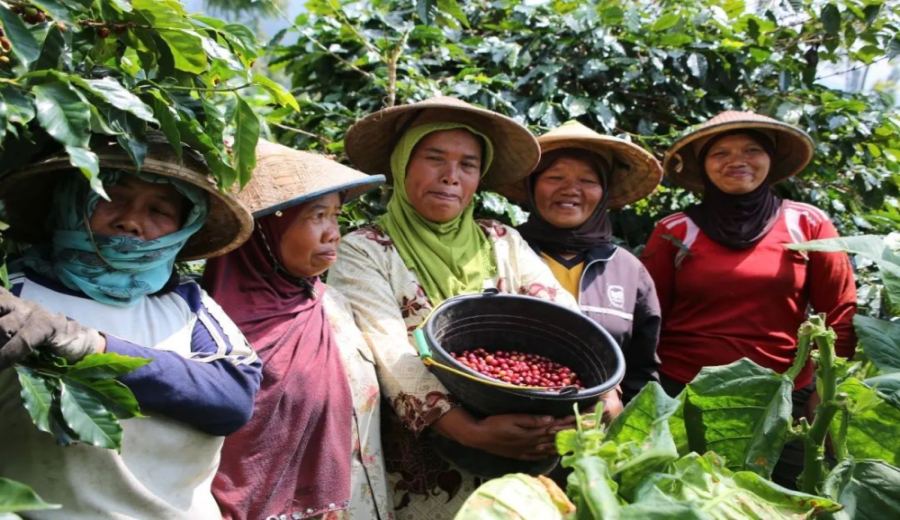
The Gayo Mountain region is located in northern Aceh, at an altitude of approximately 1110–1600 meters. Coffee here is mostly grown by local indigenous smallholder farmers under shade trees and processed using the wet hulling method. The coffee from this region is known for its deep, bold body and herbal-spicy notes. Additionally, due to the natural production environment, organic farming practices are common, making it an important source of green (organic) coffee. It’s worth noting that Aceh has experienced long-term political unrest and is not typically a top tourist destination, which has helped preserve the region’s more pristine coffee terroir.
Lake Toba is the world’s largest volcanic lake, situated at an altitude of about 900 meters. The surrounding mountainous areas are the core production zones for traditional Mandheling coffee, with Lintong standing out among them. Lintong Mandheling is commonly found as a mid-range option in the market, known for its strong, intense flavor with pronounced spicy and herbal aromas. Although its green beans occasionally show inconsistencies in stability, its overall performance remains representative, making it a popular entry point for many coffee enthusiasts looking to explore Sumatran flavors.
When discussing Sumatran coffee, one cannot overlook its unique "wet hulling" process (known as Giling Basah in Indonesian). This processing method was developed as a solution to the region’s high humidity and frequent rainfall. Compared to traditional washed or natural processes, wet hulling involves removing the coffee fruit's skin and pulp first, then allowing the mucilage-covered parchment beans to undergo brief fermentation or direct drying. The protective parchment layer is then removed earlier than usual, enabling the coffee beans to reduce their moisture content in a shorter period of time. Due to the intense friction between the beans and machinery during processing, the beans often develop the distinctive irregular "elephant foot" shape, which is normal and even believed to contribute to certain flavor characteristics.
The most notable feature of the wet hulling process is its ability to create the signature full-bodied texture and low acidity of Mandheling coffee, while also highlighting rich earthy, spicy, and herbal aromas. Although the process may seem simple, it actually demands very precise control over drying time and technique, making it a crucial factor in the uniqueness of Sumatran coffee flavors.
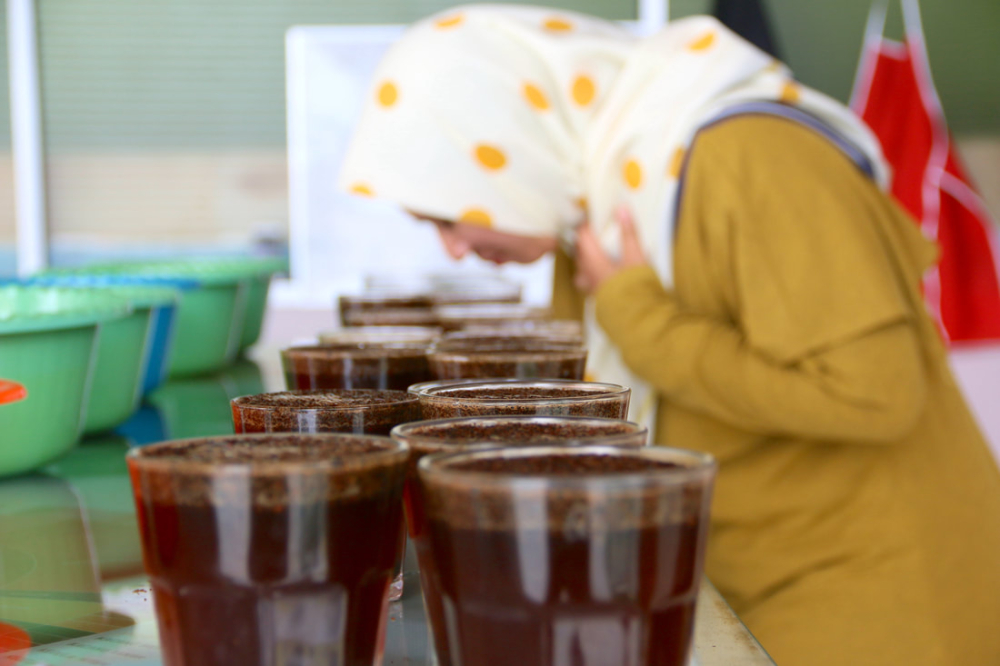
Among the various types of Mandheling, "Golden Mandheling" stands out as a premium-grade representative. Produced by Indonesia’s PWN company, it is strictly selected for beans larger than 18 mesh, with no more than 3 defects per 300-gram sample and undergoing three rounds of manual hand sorting to ensure high cleanliness and sweetness. Compared to regular Mandheling, Golden Mandheling offers a more balanced flavor profile, often showcasing notes of nuts, spices, licorice, chocolate, and a classic choice for experiencing high-quality Mandheling.
To fully appreciate the layered complexity of Mandheling coffee, mastering pour over parameters is essential. Taking the Kono dripper as an example, its unique short ribs are designed to effectively slow down the flow rate, enhancing extraction uniformity and body. It is recommended to use 15 grams of medium-coarse ground coffee (with a Chinese standard 20-mesh sieve passing rate of about 75%), a water temperature of around 88°C, and a brew ratio of 1:15. Begin with a 30-second bloom using 30 grams of water to release CO₂, then proceed with segmented pouring up to 125 grams and 225 grams, keeping the total brew time around 2 minutes. These parameters help highlight Mandheling’s rich layers of herbal, chocolate, and spice notes.
【Flavor Profile of [A Brand] Lintong Mandheling】: Herbal, chocolate, caramel, with an overall balanced and full-bodied profile, suitable for drinkers who prefer intense flavors.
【Flavor Profile of [A Brand] Golden Mandheling】: A complex interplay of nuts, spices, herbs, licorice, chocolate, and caramel, resulting in a more delicate and sweet flavor profile—it’s a classic choice for experiencing high-quality Mandheling.
The above content is compiled by CoffeeHunters, a coffee news website.


