







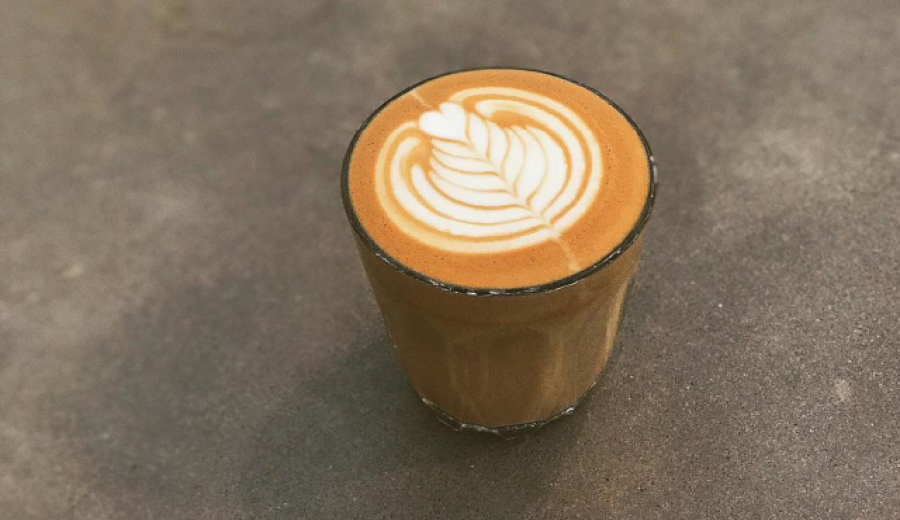
Introduction:The Australian piccolo latte is a small, concentrated milk coffee originating from Australia and inspired by Italian coffee culture. It boasts a rich yet non-cloying flavor. This article delves into its historical background, common recipe debates, and provides a detailed guide on how to craft a well-layered, long-finishing piccolo using a single ristretto shot and a small amount of textured milk. Whether you're just starting out or looking to refine your skills, this guide will help you master the essence of this refined coffee.
Among classic coffee drinks such as lattes, cappuccinos, flat whites, and dirty coffees, there is one small yet distinctive milk coffee—the piccolo latte. Originating in Australia, this coffee typically comes in a cup of about 90 to 100 milliliters—roughly half the size of a regular latte. It can be finished in just a few sips, yet it showcases an excellent balance between espresso and milk. Originally created by roasters and baristas as a way to avoid wasting coffee during bean testing by adjusting the milk ratio, the piccolo has now become the go-to choice for consumers who enjoy intense flavors but prefer to limit their caffeine or milk intake.
Piccolo Latte The name “piccolo” means “small” in Italian and also refers to the musical instrument, aptly describing the characteristics of this small cup of coffee. Compared to the popular flat white, the piccolo is not only smaller in volume but also contains a lower proportion of milk, allowing the flavor of the coffee itself to shine more prominently.
As for the standard recipe of a piccolo, there is still no industry-wide consensus. Some baristas advocate using a traditional espresso paired with a small amount of textured milk, while others believe a more concentrated ristretto (Italian-style short shot) should be used to enhance the intensity and layering of flavors. Due to the lack of a unified standard, the piccolo served at each café often varies depending on the characteristics of the coffee beans used and the individual style of the barista.

To make a high-quality Australian piccolo, the first step is choosing the right coffee beans. A common approach is to use a blend that combines flavor profiles from different regions to create a base with sweetness, acidity, and body. During extraction, a single ristretto is generally used—that is, only the first and middle parts of the espresso extraction, lasting about 20 to 25 seconds, with around 20 grams of coffee grounds yielding approximately 14 grams of concentrated liquid. This stage of extraction results in a higher concentration and more focused flavors, laying a solid foundation for the entire piccolo.
In terms of milk preparation, the piccolo requires a thinner layer of microfoam, about 0.3 to 0.5 centimeters, similar to a latte but with less milk. It’s recommended to use a milk pitcher with a capacity of about 350 milliliters, pouring in 100 milliliters of milk and texturing it to a temperature between 55°C and 60°C. This ensures fine microfoam without making the drink too hot and negatively affecting the taste. Due to the small amount of milk, extra attention should be paid to stabilizing the texture of the foam during texturing to avoid creating large bubbles caused by excessive stirring.
Slowly pour the textured milk into the ristretto already in the cup, maintaining a ratio of about 1:5, and pay attention to achieving smooth integration. When pouring, slightly raise the milk pitcher to let the milk and coffee create a natural rotation, which helps mix the flavors evenly. When the liquid level reaches about three-quarters full, you can add a simple latte art design to enhance visual appeal. The entire piccolo is best enjoyed hot to fully appreciate the layered changes in its aroma and flavors.
A well-made piccolo usually features distinct notes of vanilla, cream, and chocolate, accompanied by a slight berry-like acidity and mild winey undertones. These qualities are complemented by the smooth texture of the milk, creating a balanced and layered mouthfeel. The finish is long-lasting and not cloying, making it ideal for savoring slowly.
When tasting a piccolo, it’s recommended to first take a light sniff to appreciate the complex aroma resulting from the blend of coffee and milk. For the first sip, take a small one to let the coffee cover your entire mouth and experience the fineness of the microfoam and the richness of the coffee. Then swallow and notice the smoothness in the throat and the aftertaste. Finally, you may take a sip of water to help highlight the lingering sweetness. Following these steps will allow you to better understand the charm of this small yet remarkable coffee.

The above content is compiled by CoffeeHunters, a coffee news website.


