








Introduction:What kind of flavor profiles emerge when you replace the fresh milk in a latte with non-traditional ingredients such as soy milk, powdered milk, or banana milk? In this hands-on test, using a consistent 1:5 coffee-to-milk ratio and the stable Italian blend · Strawberry Sugar Espresso, we prepared both hot and cold versions of five non-fresh milk lattes. We provide a detailed analysis of their differences in aroma integration, sweetness expression, mouthfeel smoothness, and latte art compatibility — offering inspiration for coffee enthusiasts and creative beverage ideas for cafés.
Classic coffee drinks such as lattes, cappuccinos, flat whites, and Dirty drinks almost all rely on the presence of milk. But what surprises or shocks might you encounter if you swap traditional fresh milk for alternatives like soy milk, powdered milk, banana milk, Want Want milk, or AD calcium milk? For this test, we selected five non-fresh milk ingredients and used the same stable and well-balanced Italian blend · Strawberry Sugar Espresso, maintaining a 1:5 coffee-to-milk ratio. We prepared both hot and cold versions of lattes and evaluated them across multiple dimensions including aroma fusion, sweetness, mouthfeel smoothness, milk foam stability, and latte art performance — helping you understand how these substitute ingredients actually perform.

In fact, using non-dairy alternatives to make coffee drinks is nothing new. Since the rise of the Dalgona Latte trend, various creative drinks such as Orange C Americano and Beibingyang coffee have emerged one after another. The stars of this experiment — soy milk, powdered milk, banana milk, Want Want milk, and AD calcium milk — are all familiar beverages to the public. But whether they can pair perfectly with espresso is still worth a try.
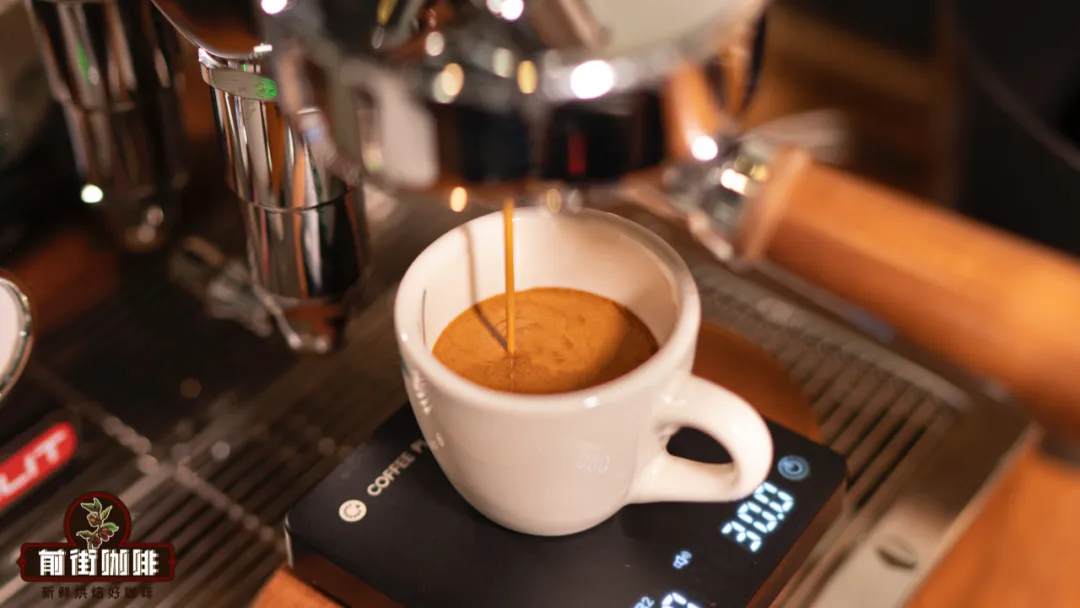
Before diving into the actual tests, let’s first introduce the espresso base used in this experiment: the Italian blend · Strawberry Sugar Espresso, which is medium-dark roasted. The extraction parameters were 20 grams of coffee grounds, a 30-second brew time, yielding 40 milliliters of concentrated espresso. This coffee has a clear flavor profile, featuring layers of strawberry, rose, raisin, and cookie, along with good crema performance. It pairs well with various types of milk bases and delivers stable results whether used at home or in a café setting.
Contestant No. 1: Soy Milk
First up is the national drink — soy milk. Though not an animal-based dairy product, it belongs to the plant milk category and is theoretically compatible with coffee, much like oat milk. For this experiment, we used a 1:5 ratio — 40 milliliters of concentrated espresso paired with 200 milliliters of soy milk. For the hot version, the soy milk was preheated to about 65°C before being combined with the coffee.
The results showed that the aroma fusion between soy milk and espresso was acceptable, with no obvious rejection. Since soy milk contains natural sugars, the overall sweetness was mild, not bitter or astringent, and the flavor layers included bean, strawberry, rose, cookie, and chocolate notes — quite distinctive. However, the proteins in soy milk reacted with the coffee, easily forming flocculent particles that resulted in a noticeably grainy mouthfeel, reminiscent of “coffee-flavored tofu pudding,” significantly compromising smoothness. It’s not ideal for consumers seeking a silky texture. Additionally, the texture also negatively impacted latte art performance.

Contestant No. 2: Powdered Milk
The second test used milk made from powdered milk. The recommended ratio is 1:6 (powdered milk to hot water), for example, 30 grams of whole milk powder mixed with 180 milliliters of 60°C hot water. If latte art is desired, ice cubes can be added to control the temperature before mixing with 40 milliliters of concentrated espresso.
This “powdered milk latte” delivered an overall performance close to that of fresh milk, with balanced coffee and milk aromas, albeit with the unique scent of powdered milk, giving the flavor profile a slightly distinctive twist. However, since powdered milk requires self-adjusted concentration, improper ratios can easily lead to either a thin or overly heavy mouthfeel. Additionally, the milk foam stability was average, so it’s not recommended for delicate latte art. Nevertheless, it remains a viable quick alternative for daily use.

Contestant No. 3: Banana Milk
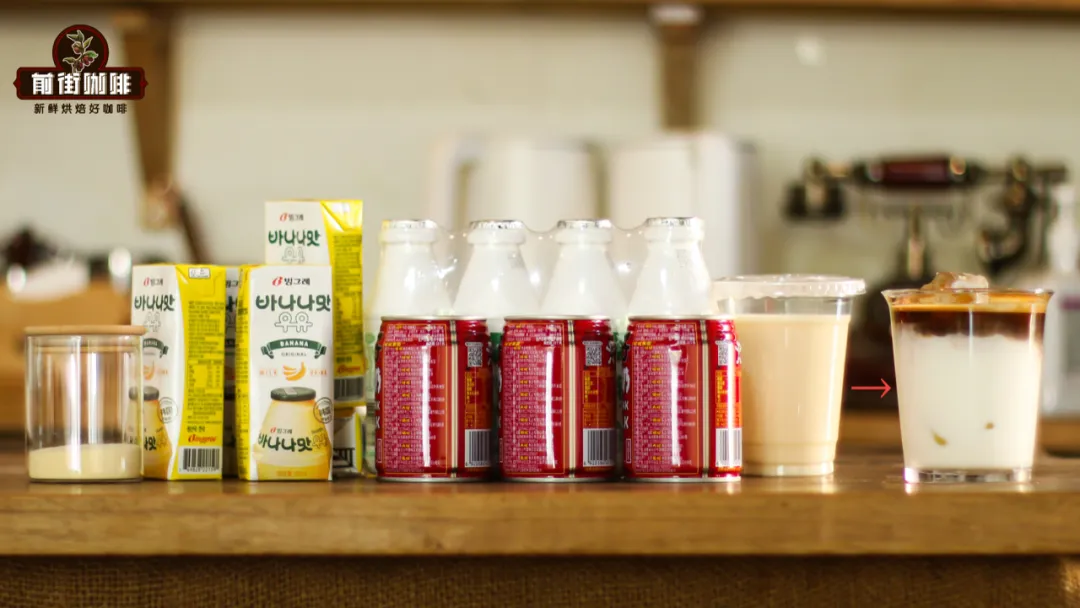
Banana milk is a common flavored milk drink with intense sweetness and strong banana flavor. The experiment also used a 1:5 ratio — 40 milliliters of espresso paired with 200 milliliters of banana milk. The hot version was heated before blending, while the cold version was cooled down with ice cubes.
In the hot version, the inherent sweetness of the banana milk was pronounced. Paired with the medium-roast Strawberry Sugar Espresso, the overall sweetness was prominent yet not cloying. The flavor layers came in the order of banana, strawberry, raisin, and subtle cookie notes, with a mouthfeel that was even smoother than regular fresh milk. However, the banana milk’s milk foam dissipated quickly, making it unsuitable for latte art. The cold version suppressed aroma release due to the lower temperature, resulting in a slightly more muted performance overall, though it still retained basic sweetness and a pleasant smoothness.

Contestant No. 4: Want Want Milk
Want Want milk is a nostalgic drink for many, known for its high sweetness and prominent milky flavor. The experimental conditions were the same: 40 milliliters of espresso paired with 200 milliliters of Want Want milk, prepared as both hot and cold versions.
The hot version, due to its high sweetness, had an overall thin mouthfeel, lacking the richness and silkiness of fresh milk. The flavor was mainly dominated by sweetness, with only faint hints of berry-like aromas. The cold version saw the sweetness somewhat subdued by the lower temperature, and although the mouthfeel remained thin, its overall acceptability was slightly better than the hot version. It may suit consumers who enjoy sweet lattes but do not seek a rich texture.

Contestant No. 5: AD Calcium Milk
Lastly, we have AD calcium milk, which, due to its unique characteristics, was prepared only as a cold drink for this test. Using 40 milliliters of espresso and 200 milliliters of AD calcium milk, we added ice cubes to cool it before tasting directly.
The overall flavor profile was quite unusual, giving the illusion of a “coffee-flavored AD calcium milk.” However, the combination of flavors was not harmonious. The mixture of sweetness and calcium flavor created an odd mouthfeel. While it wasn’t unpalatable, it could hardly be called a satisfying coffee experience. Unless one is going for extreme creativity, it’s not recommended to use AD calcium milk as a regular latte substitute.
In summary, among the five non-fresh milk ingredients tested, soy milk had distinctive flavors but poor texture; powdered milk could replicate fresh milk’s profile but required careful ratio adjustments; banana milk was sweet and smooth but challenging for latte art; Want Want milk was overly sweet and thin; and AD calcium milk had a strange flavor profile with limited appeal. Whether for home preparation or café creative specials, choosing the right milk alternative should take into account flavor, mouthfeel, and the actual application scenario.
The above content is compiled by CoffeeHunters, a coffee news website.


