








Introduction:The coffee processing method is a key factor that influences the flavor of a cup of coffee. Among these, natural (sun-dried) and winey natural (red wine-style sun-dried) are two of the most notable traditional and innovative techniques. This article delves into the processing workflows, cost structures, flavor profiles, and real-world performance of both, and explores how fermentation technology can alter a coffee’s sweetness, acidity, and clarity—helping you make more precise coffee bean choices based on processing methods.
When walking into a café or browsing an online coffee bean store, you often see labels such as “natural,” “washed,” or “honey process.” But do you really understand what these processing methods entail? This article will focus on the “natural processing method” and its advanced version, the “winey natural processing method.” Starting from the basic structure of the coffee cherry, we’ll gradually break down the steps, pros and cons of these two techniques, and how they influence the final coffee’s aroma, acidity, and sweetness profile.
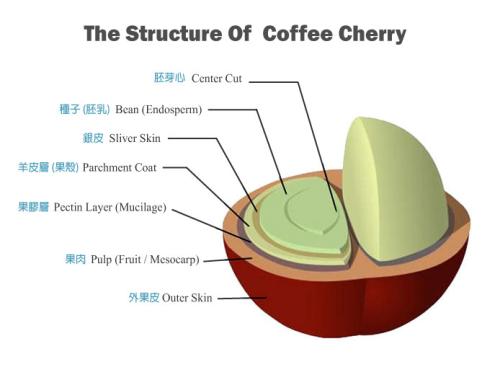
Coffee beans are not naturally the green or dark brown seeds we’re familiar with—they actually start as fruits growing on coffee trees. Structurally, from the outside in, these consist of: skin, pulp (sticky mucilage), parchment layer, parchment (inner skin), silver skin, and at the very center, the seed. The goal of various processing methods is to remove these outer layers using different techniques, leaving only the innermost seed—what we call the green coffee bean.
Common processing methods are mainly divided into three categories: natural, washed, and those in between such as honey process, semi-washed, and wet-hulled. This article first introduces you to the oldest and most straightforward method—the “natural processing method.”
The natural process is a traditional technique originating from arid regions with relatively low technical barriers. Its fundamental principle is to use sunlight and time to let the entire coffee fruit, including its pulp, dry naturally until the moisture content drops to around 12%, after which the outer layers are removed to obtain the green coffee bean. The biggest advantage of this method is that it doesn’t require complex equipment and has minimal water demand, making it widely used in dry climates with large day-night temperature variations.
A typical natural processing workflow is as follows: First, the harvested coffee cherries are placed in a water tank for floatation. Ripe cherries will sink to the bottom, while unripe or overripe ones will float—these floaters are usually removed to ensure quality. However, in water-scarce regions, farmers may instead use sieves for initial sorting.
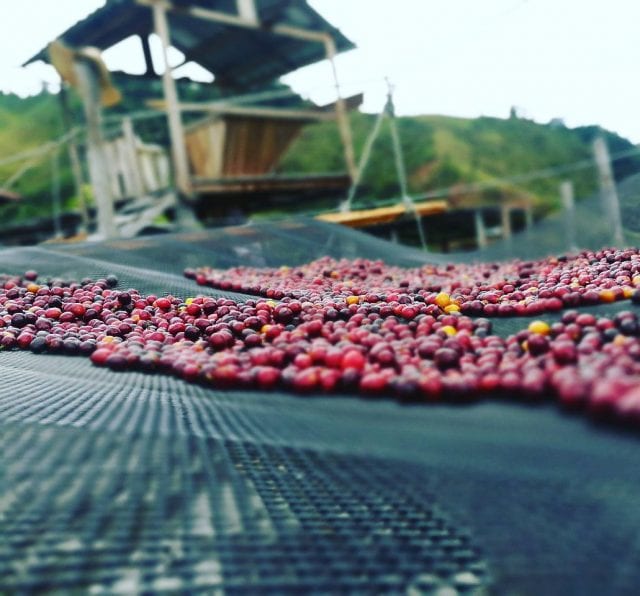
Next, the whole coffee cherries, still intact with their pulp, mucilage, and seeds, are spread directly on concrete floors or specialized drying beds to be sun-dried for several weeks. During this period, they need to be constantly turned to prevent mold or localized overheating. The overall drying time usually ranges from 2 to 4 weeks, depending on local climate. Once the moisture content reaches the target level, a hulling machine is used to remove the hardened outer shell, yielding the familiar green coffee bean.
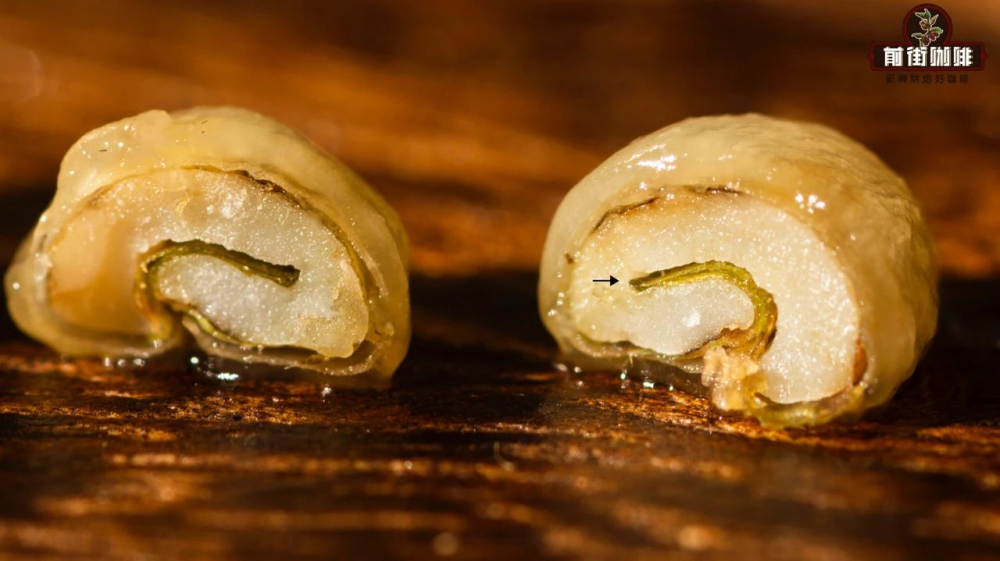
However, the natural process also comes with many challenges and limitations. Since the entire process relies on stable sunlight and good ventilation, it is only suitable for dry, hot, and low-rainfall regions. Additionally, because the coffee cherries have high water content, if not properly managed during the long natural fermentation process, issues such as over-fermentation, mold, insect damage, or rot can easily occur—leading to off-flavors, unpleasant fermentation defects, or strange tastes in the final cup.
Furthermore, during the natural drying process, there is little human intervention in the fermentation of the pulp and mucilage layer, making fermentation conditions difficult to control. As a result, the rate of defective beans is generally higher than with washed processing. Moreover, traditional natural processing typically involves only one initial floatation after harvest, with almost no further screening—so overall consistency in quality is also relatively low.
Nevertheless, when processed well, natural coffee can often exhibit extremely rich tropical fruit aromas, a full body, and strong sweetness—making it ideal for coffee lovers who enjoy bold flavors and complex layers. These beans are usually suitable for a variety of brewing methods, including pour over, French press, cold brew, moka pot, and even espresso, all of which can showcase their unique charm.
With the development of the specialty coffee market, traditional natural processing has also given rise to many innovative variations, such as anaerobic natural, enzymatic natural, and the focus of this article—the “winey natural processing method.” These techniques achieve greater control over fermentation, further enhancing the coffee’s sweetness, clarity of acidity, and overall cleanliness.
Winey natural, as the name suggests, draws inspiration from the fermentation concepts used in winemaking—by controlling the fermentation environment (such as oxygen levels, temperature, humidity, etc.), allowing the coffee fruit to undergo a more orderly fermentation under specific conditions. This method is also known as “controlled fermentation” or “lactic/acidic fermentation,” and it can effectively guide the coffee to develop richer, softer, and more layered flavor profiles.
In the winey natural processing workflow, farms are first carefully selected to ensure that the red coffee cherries used have less than 2% unripe fruit, fewer than 3% defective beans, and no more than 5% floaters. Then, the selected cherries are placed into specially designed fermentation containers, which are typically equipped with features similar to wine bottle corks or one-way vent valves—effectively regulating internal air pressure and oxygen concentration, thereby controlling the fermentation rate and direction.
In this environment, the coffee cherries primarily undergo acetic acid fermentation, a process that can produce a brighter, cleaner acidity, often with a refreshing citrus or lemony tang. Compared to traditional natural processing, winey natural can more effectively suppress the growth of undesirable microbes, reduce the risk of fermentation going out of control, and at the same time enhance sweetness and overall flavor harmony.
In actual tasting, coffee processed with the winey natural method often presents wine-like aromas and fruity notes. It feels smooth on the palate, with vibrant and layered acidity, and the finish often carries hints of honey, caramel, or even red wine aftertaste. For example, some winey natural beans from high-altitude farms in Panama can even display pronounced brown sugar and dark fruit flavors upon cooling, adding more depth and lingering sweetness to the overall taste profile.
In summary, the natural processing method and the winey natural processing method each have their own characteristics: the former retains more of the original fruity aromas and bold flavors, but faces greater challenges in flavor consistency and defect control; the latter, through refined fermentation techniques, enhances sweetness, clarity of acidity, and overall cleanliness—delivering a more specialty-coffee-like layered experience. Whether you prefer rich tropical flavors or delicate fruitiness with nuanced acidity, understanding the differences between these processing methods can help you find the coffee experience that suits your palate best.
The above content is compiled by CoffeeHunters, a coffee news website.


