







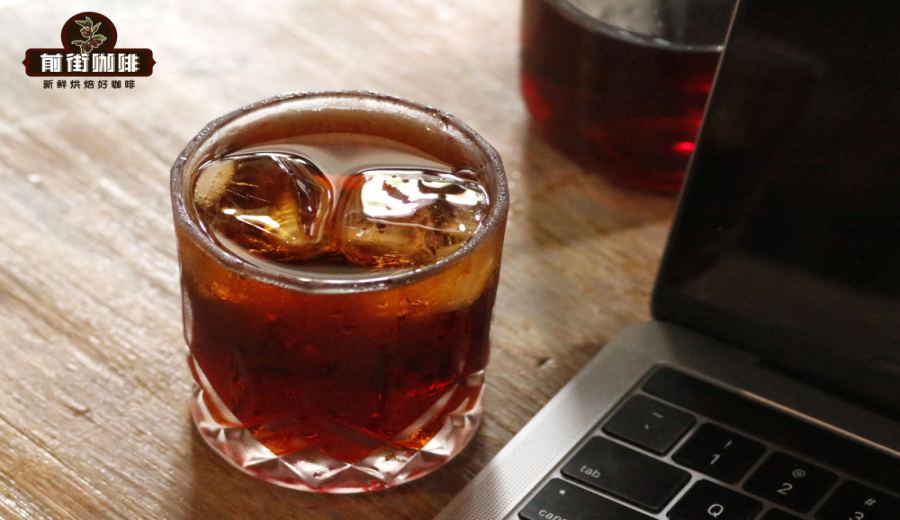
Introduction:Have you ever wondered why cold drip coffee develops an intriguing aroma reminiscent of alcohol after it has been sitting? This unique flavor does not come from added alcohol, but rather from natural chemical reactions that occur during the cold drip extraction and low-temperature aging process. This article will delve into how ester hydrolysis leads to the formation of alcohol compounds, helping you understand the science behind why cold drip coffee "gets better with time." We’ll also provide practical advice on aging duration and storage tips, so you can perfectly enjoy this special coffee at its optimal moment.
Many first-time tasters of cold drip coffee are amazed by its distinctive vinous character, even suspecting that alcohol might have been added. In reality, this captivating flavor stems from the unique brewing method of cold drip and the subsequent natural chemical changes that occur during low-temperature aging. By understanding the science behind it, we can better appreciate the charm of this special brew.
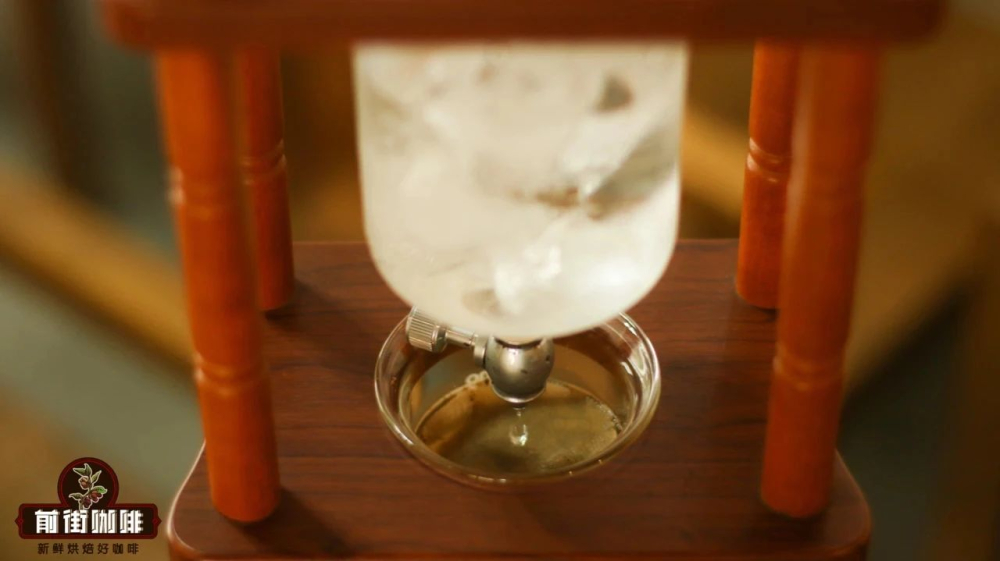
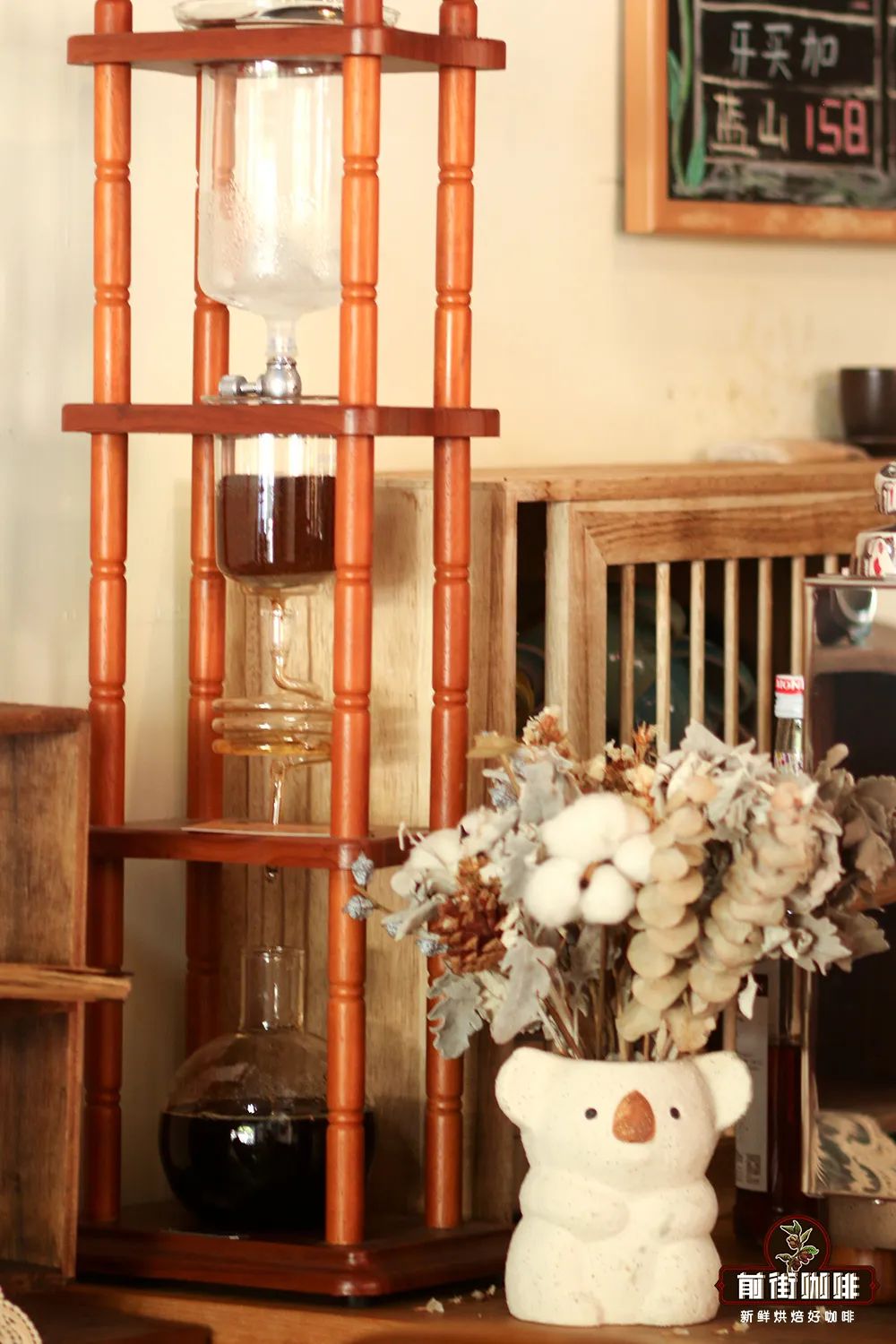
The production process of cold drip coffee is quite unique. It involves dripping ice water through a bed of coffee grounds at an extremely slow rate—approximately seven drops every ten seconds. For a standard recipe, using 60 grams of coffee grounds, the final yield is 600 milliliters of concentrated coffee liquid, and the entire dripping process takes about six to seven hours. This extremely slow extraction method forms the foundation of cold drip coffee’s flavor profile.
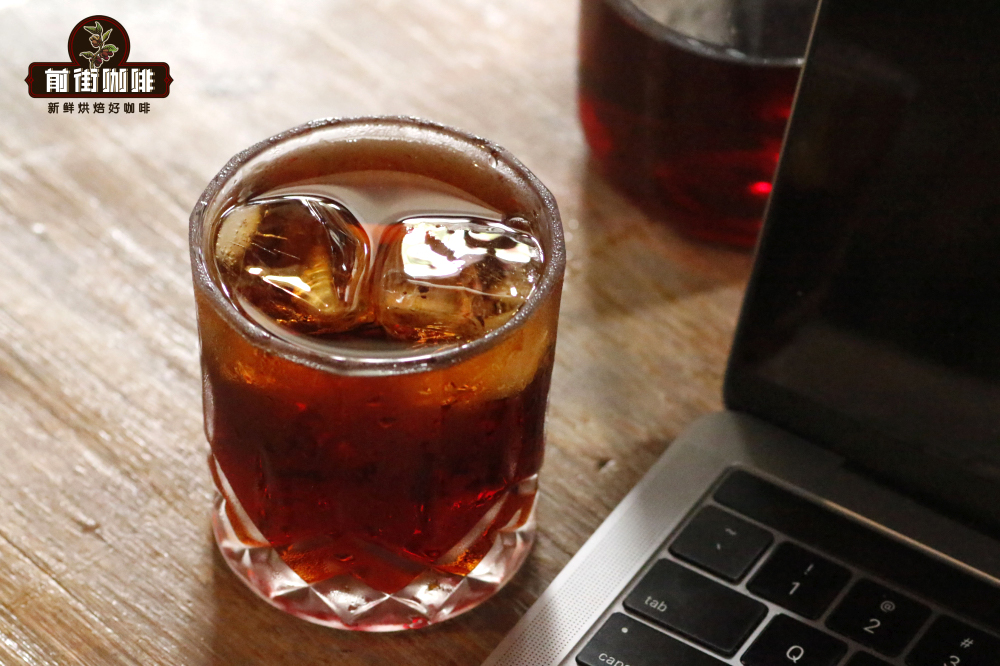
It’s worth noting that cold drip coffee often doesn’t perform as expected right after the dripping is complete. At this stage, the coffee aroma may be relatively weak, the taste thin, and there might even be a slight astringency. This is why the professional approach is to transfer the brewed coffee into a sealed container and place it in the refrigerator for low-temperature aging—some also refer to this as “low-temperature fermentation.”
During the low-temperature aging process, key chemical changes take place. Ester compounds, which originally contribute fruity aromas, begin to hydrolyze, breaking down into carboxylic acids and alcohol compounds. It is these newly formed alcohol compounds that bring about the wine-like and fermented aromas we perceive. This is a natural and gradual process that requires time to fully develop.
Practical experience shows that letting cold drip coffee sit in the refrigerator for more than eight hours results in a noticeably smoother and richer mouthfeel, while wine-like and fermented aromas begin to emerge. Surprisingly, as the resting time extends, this “wine flavor” becomes even more pronounced and complex. For example, cold drip made with Kenyan Assaria coffee beans, after aging for 12 hours, can exhibit intense fruit wine aromas, accompanied by bright and clean tomato acidity, along with a unique cold-aged fermented sensation.
Interestingly, this “wine aroma” phenomenon is not exclusive to cold drip coffee. Even hot-brewed coffee, if not consumed immediately after brewing, may develop similar fermented wine notes the next day. However, the fermentation process in hot-brewed coffee is harder to control and can easily lead to undesirable odors, such as rotten fruit or spoiled sourness. In contrast, cold drip coffee benefits from its low-temperature extraction, which effectively inhibits bacterial growth.
To maximize flavor while ensuring safety, it is generally recommended to store cold drip coffee in a sealed container and continue refrigerating it after low-temperature aging. The dual effects of sealing and low temperature help slow down the fermentation process while suppressing the growth of unwanted bacteria. This approach extends the drinkability period while maintaining flavor balance.
Although cold drip coffee can achieve richer flavors through proper aging, over-aging still carries risks. Regardless of spoilage, overly strong fermentation notes can disrupt the overall balance of the coffee. Considering both flavor performance and food safety, professionals recommend consuming cold drip coffee within five days of its preparation to enjoy the best drinking experience.
The above content is compiled by CoffeeHunters, a coffee news website.


