








Introduction:The golden crema on the surface of espresso not only enhances visual appeal but also directly reflects the quality of extraction. Understanding how crema forms and mastering the skills to observe its color, thickness, and texture can help you effectively judge whether an espresso has been properly extracted, thereby improving your brewing skills. This article delves into the science behind crema and teaches you how to identify common extraction issues by appearance — essential knowledge for every coffee enthusiast.
The fascinating golden foam atop espresso is called crema in Italian. It is not an added oil or simply coffee oils, but a delicate foam formed when insoluble coffee fats encapsulate carbon dioxide, and it can only be extracted through high-pressure espresso machines. Understanding the mechanism behind crema helps us delve deeper into the secrets of espresso extraction and assess the quality of a shot.

Espresso is a small, concentrated cup of coffee that is typically consumed in just a few sips. Its intense and bold flavor often overwhelms first-timers, which is one of the reasons it hasn’t yet gained widespread popularity domestically. However, add milk and it becomes the beloved latte; dilute it with water and you get the everyday Americano. No matter how it’s transformed, that golden layer floating atop the dark liquid is always the soul symbol of espresso.
So, is this seemingly oily substance really oil? Many might think of peanut oil or olive oil, but that’s not the case. Coffee beans, especially those that are dark roasted, do release oils, but the crema produced by espresso machines is actually a fine foam created when insoluble coffee fats combine with carbon dioxide under high pressure during extraction. When high-pressure water (around 9 bar) passes through the coffee puck, carbon dioxide is highly compressed and dissolved in the water, while the coffee oils are emulsified. These emulsified fats trap the gas, and because their overall density is lower than that of water, these tiny bubbles rise to the surface and form what we know as crema.
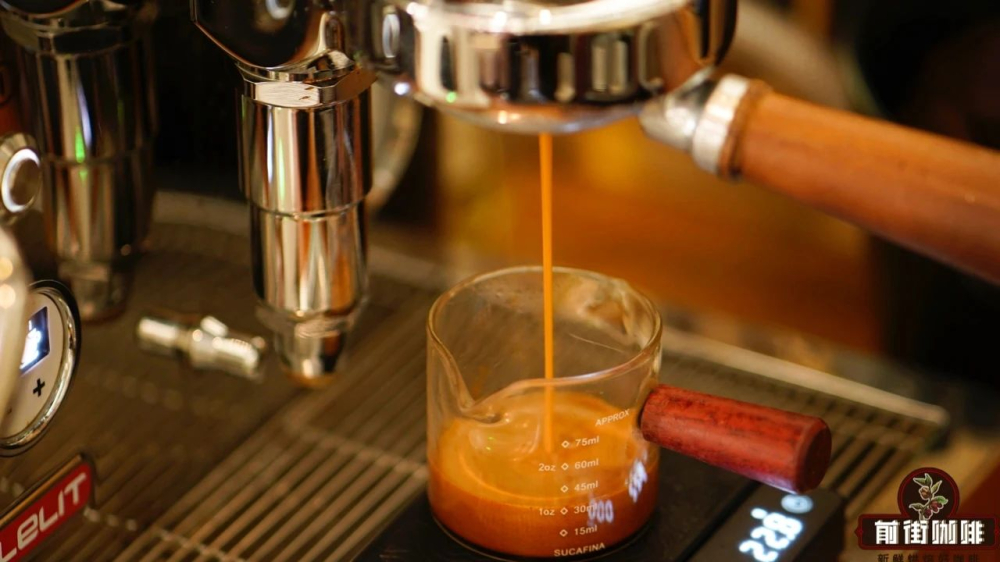
Ideal crema should have a uniform golden hue, a fine texture with a certain level of viscosity and the ability to cling to the cup walls. The bubbles should be smooth and have moderate fluidity. When you gently shake the cup, the crema should glide smoothly like cream and adhere to the sides, showcasing the rich layers of the espresso. Not only is it visually pleasing, but crema also enhances aroma and extends flavor perception during tasting, while providing better support and integration when creating latte art with milk. Therefore, pursuing an espresso with rich and beautiful crema is a shared goal for many baristas and coffee lovers.
From a practical standpoint, to extract high-quality crema, the first requirement is to use freshly roasted coffee beans with moderate roast levels and rich in carbon dioxide. Generally speaking, medium-dark to dark roasted beans used within 45 to 60 days after roasting can achieve the best crema performance. Additionally, adding a moderate amount of Robusta beans to the blend can also enhance the richness and stability of the crema. It’s worth noting that freshly roasted beans release large amounts of carbon dioxide in the first few days, and if not properly rested, may actually hinder the formation of a stable crema structure.
In addition to the beans themselves, various parameters during the extraction process are equally crucial. Stable high water pressure (ideally around 9 bar), appropriate grind size, even tamping pressure, as well as suitable extraction time and water temperature, are all key factors affecting crema performance. Low pressure, insufficient water temperature, overly coarse grind, or inadequate tamping can all lead to thin or even absent crema.
Observing the appearance of crema is one of the most intuitive ways to assess the quality of espresso extraction. If an espresso has no crema at all or very thin crema, common causes include beans being stored for too long (leading to significant loss of carbon dioxide), overly coarse grind, insufficient water pressure, inadequate tamping, or issues with the espresso machine’s pressure system. Moreover, using pre-ground coffee can also result in loss of necessary gas content due to prolonged exposure to air, thereby affecting crema formation.
If the crema has some thickness but appears white or light yellow, accompanied by a noticeably sour taste, it usually indicates that the beans are roasted too lightly or the extraction is insufficient. In such cases, the acidic compounds in the coffee are not fully extracted, and the crema lacks sufficient oils and gases to support it, resulting in poor color and a loose texture.
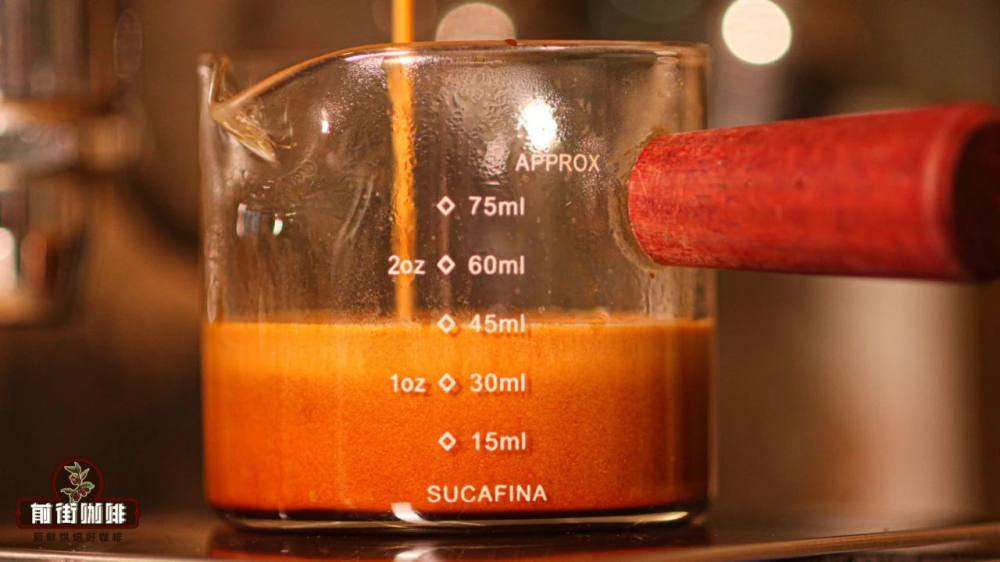
When the crema surface is rough, the bubbles are prominent and dissipate quickly, it usually means the coffee beans are too fresh and still contain a large amount of unreleased carbon dioxide. These gases cannot be effectively encapsulated by the oils during high-pressure extraction, leading to a loose and easily broken foam structure. It is recommended to let the beans rest appropriately after roasting to reach their optimal extraction state, which helps achieve more stable oil performance.
If you notice the crema is clumpy, uneven, or appears “lumpy” when shaken, with poor fluidity and difficulty spreading evenly, this is usually caused by uneven emulsification or inconsistent tamping. Such crema not only looks unappealing but is also often accompanied by uneven extraction flavors. It is advisable to recheck grind size, tamping technique, and the uniformity of the coffee grounds to improve overall extraction quality.
The above content is compiled by CoffeeHunters, a coffee news website.


