








Introduction:Want to add something new to your daily pour over routine? This article introduces a unique coffee brewing method inspired by Japanese tea ceremony, which uses a chasen (bamboo whisk) to create fine foam through a beating technique — significantly enhancing aroma complexity and taste refinement. From selecting coffee beans and setting extraction parameters, to analyzing the foam-beating method, we’ll guide you step-by-step in mastering this fun technique, and share real tasting comparisons. Ideal for coffee enthusiasts who love hands-on experimentation.
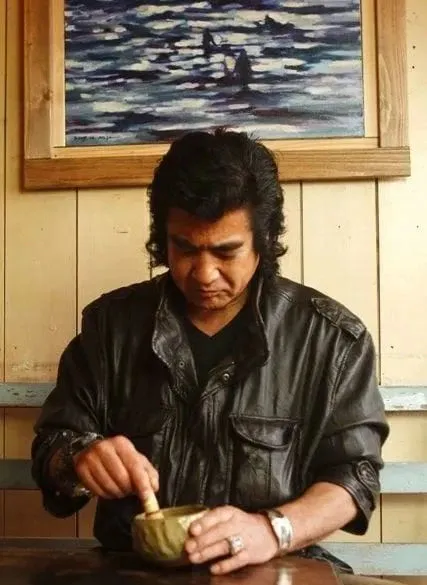
In recent years, the matcha latte trend has made a comeback, reminding us of a creative coffee preparation method that embodies the spirit of Japanese tea ceremony. This technique is inspired by traditional matcha preparation, using a chasen to beat coffee liquid into delicate foam. This not only adds visual appeal but also noticeably improves aroma expression and taste smoothness during drinking. The method was invented by Japanese actor Hiroshi Fujioka, who combined the diverse coffee flavors he experienced while traveling with the tea ceremony skills taught by his mother, resulting in a truly distinctive coffee brewing style.
Before diving into the step-by-step breakdown, let’s first understand the basic principles of matcha brewing. Matcha culture originated from the Song Dynasty Chinese method of dian cha (pointing tea), and later developed in Japan into a practice embodying the “wa-kei-sei-jaku” (harmony, respect, purity, tranquility) spirit. The traditional method involves first mixing matcha powder with a small amount of warm water, then pouring in hot water and rapidly whisking with a chasen to form a thick layer of foam. What we’re borrowing is precisely this beating motion, which, when applied after coffee brewing, produces a similar effect.

For practical application, it’s recommended to use light to medium roasted coffee beans to preserve bright aromas. This demonstration uses beans from the Blue Mountain region, with a dose of 15 grams and a 1:12 coffee-to-water ratio. The grind size is set to reference the Ek43 grinder at setting 10.5, approximately equivalent to 75% extraction through a #20 sieve — achieving moderate flow rate and even extraction. Key parameters include using 88°C water, and performing a three-stage pour using a KONO dripper: the first stage involves pouring 30 ml (twice the coffee dose) for a 30-second bloom, followed by three pours of 50 ml each, totaling 150 ml of water.
After extraction, pour about 80 ml of coffee liquid into a wide, deep bowl (a cupping bowl can be used as an alternative). When using the chasen, pay attention to the direction of movement — avoid circular stirring. Instead, use straight up-and-down or front-to-back motions. This beating method effectively incorporates air to form foam. Continue beating until the foam layer evenly covers the liquid surface and you feel noticeable resistance — that’s the ideal state. For an even finer texture, you can extend the beating time, but be mindful of wrist pressure control.
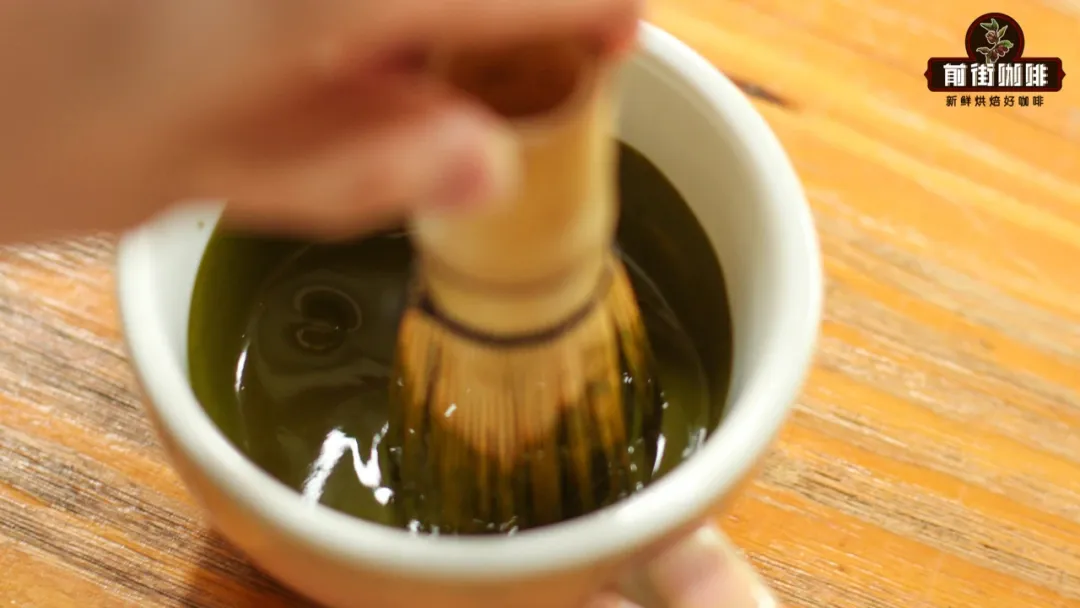
In terms of flavor profile, un-whipped original coffee presents a stronger taste due to its high concentration, which may feel intense to those with sensitive palates. The version processed with the chasen, however, shows a surprising transformation: while maintaining the same extraction strength, the foam layer effectively softens the flavor impact, making the aroma more three-dimensional, and the mouthfeel smoother and more velvety. This difference is especially noticeable during consecutive comparative tastings — the foam not only affects texture but also alters the rhythm of aroma release.
There are several common points to note during the process: First, use a bowl with a sufficiently wide opening to allow free movement of the chasen; second, coffee liquid temperature affects foam stability — it’s best to perform the beating shortly after extraction; third, a common beginner mistake is excessive clockwise stirring, which leads to rough and quickly dissipating foam. If manual beating feels too strenuous, consider using a low-speed stirring tool as an aid, but the traditional chasen still provides the finest foam texture.
The above content is compiled by CoffeeHunters, a coffee news website.


