







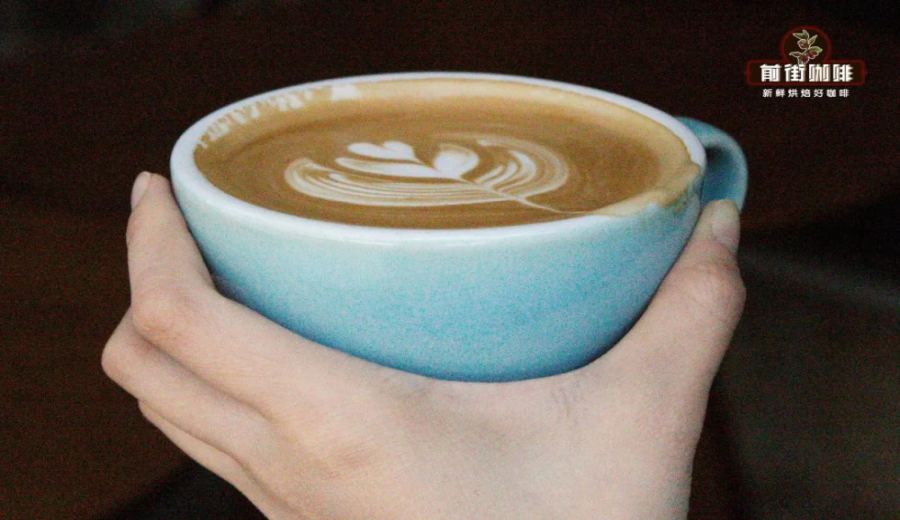
Introduction:To make a cappuccino with a smooth texture and beautiful latte art, the temperature and texture of the milk foam are among the key factors. From 55°C to 65°C, each temperature range affects the stability and flavor expression of the foam. This article delves into how to correctly master the golden temperature for heating milk foam, avoid common mistakes, and analyzes the differences between cappuccinos and lattes in foam thickness and temperature control—helping you brew a more professional and enjoyable coffee experience.
The key to a memorable cappuccino lies not only in the choice of coffee beans but also, crucially, in the milk frothing temperature and the texture of the foam, which significantly influence the overall flavor. Especially during autumn and winter, the popularity of hot milk coffee rises sharply. Mastering the correct foam temperature not only enhances taste but also helps maintain long-lasting, beautiful latte art.
So, what is the ideal temperature to heat the foam for a cappuccino? Generally, baristas preparing hot milk coffee will control the milk frothing temperature within55°C to 65°C. This temperature range ensures that the foam and the milk itself are fully integrated, producing a foam that is both fine and stable—not only smooth in texture but also conducive to creating clear and long-lasting latte art patterns.
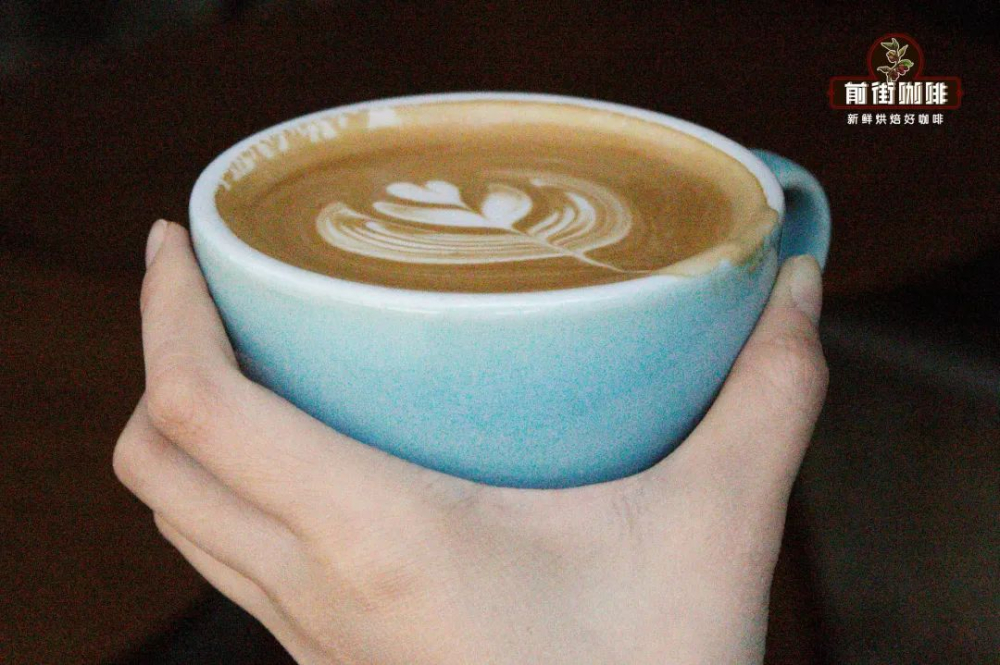
Within this optimal temperature range, the physical and chemical properties of the milk remain relatively stable, without undergoing irreversible changes due to high heat. When the temperature exceeds 70°C, the protein structure in the milk begins to alter, not only affecting the stability of the foam but also potentially leading to flavor loss. Moreover, at temperatures above this, the foam tends to separate noticeably from the coffee liquid, resulting in a coarser mouthfeel and even off-flavors.
When milk is frothed to excessively high temperatures, such as over 70°C, common issues include noticeable separation between the foam and the coffee liquid, a loss of the foam’s fine texture, or even the emergence of a fishy or burnt taste. This is because high heat causes the proteins in the milk to gradually denature, disrupting the delicate foam structure, drastically reducing stability, and making it prone to collapsing quickly when poured or used for latte art.
Additionally, due to heat convection and sensory delay, overly hot milk coffee can actually dull the tongue’s sensitivity to the fine texture of the foam. Although it may seem warm and comforting, it could sacrifice the nuanced layers and subtleties of the foam. Therefore, controlling foam temperature is not just about mouthfeel—it directly impacts the overall flavor balance of the coffee.
For beginners, mastering foam temperature can start with using a thermometer along with tactile training. When the milk is heated to around 40°C, you’ll begin to feel a slight warmth when holding the pitcher. As steam continues to be injected, the temperature gradually rises. When the outer wall of the pitcher feels noticeably too hot to hold comfortably in your palm, it usually indicates that the temperature has exceeded55℃, which serves as an important tactile reference point.
More experienced baristas can often maintain the ideal temperature range without a thermometer, relying solely on the heat of the pitcher and the duration of steam wand usage. Beginners are advised to use a thermometer initially, then gradually develop a sense of feel as they gain proficiency, adjusting subtly based on season, room temperature, and pitcher material.
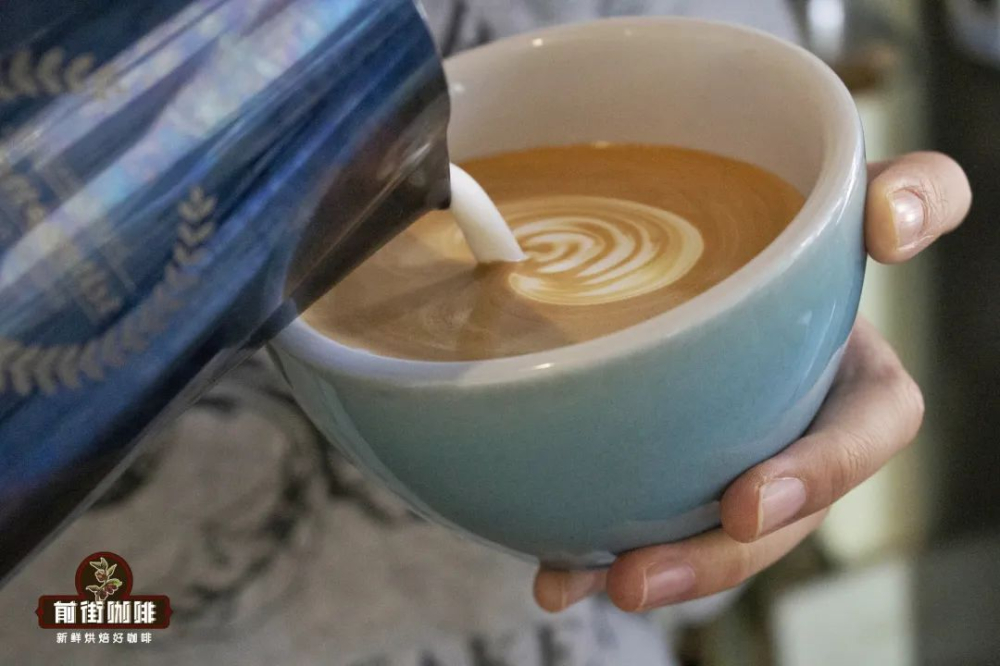
As autumn and winter arrive, and ambient temperatures drop, hot drinks cool faster. It’s recommended to preheat your coffee cup before brewing. Choosing ceramic or double-walled insulated cups can also help maintain the optimal flavor and temperature of the coffee. Additionally, some professional baristas will apply an additional 3 to 5 seconds of heating after frothing the milk, raising the temperature to65℃, to enhance aroma release—but care should be taken not to overheat, as this can negatively affect the overall drinking experience.
Notably, there are also significant differences between cappuccinos and lattes in terms of foam thickness and temperature control. A cappuccino typically features a thicker layer of foam, about1.5 to 2 centimetersthick, sitting atop the coffee, giving a more pronounced foam texture. Therefore, it’s recommended to keep the milk temperature atbelow 60°Cto ensure it doesn’t scald the mouth upon drinking, while still allowing the full experience of the foam’s fine texture and layered feel.
In summary, the recommended milk foam temperature for a cappuccino is to maintain it between55°C and 65°C, with the most ideal range often falling around60°C. Temperatures that are too low may result in insufficient foam stability, while temperatures that are too high can damage the foam structure and flavor. With proper temperature control and practice, you can replicate café-quality cappuccino flavors at home and enjoy every sip of its delicate, rich taste.
The above content is compiled by CoffeeHunters, a coffee news website.


