








Introduction:Have you ever felt puzzled when looking at the menu in a coffee shop, faced with options like Latte, Espresso, or Dirty? These terms, originating from Italian, actually carry a wealth of coffee culture and brewing details. This article will introduce, in an easy-to-understand way, the origins, compositions, and key ratios of various classic coffee drinks. It will also explain practical steps and techniques for making hot lattes, iced lattes, and Dirty coffees—helping you confidently choose and master the art of crafting the perfect milk-based coffee, whether you're ordering at a café or brewing at home.
The word "Latte" comes from Italian, transliterated as "拿铁" in Chinese, and literally translates to "milk." Therefore, a latte coffee is essentially coffee with milk added. A common latte is a specialty coffee made by combining espresso with an appropriate amount of hot milk. This drink is not a traditional daily beverage in Italy but gradually evolved after coffee culture spread across Europe.
As for the origin of latte-style coffee, one story traces it back to 17th-century Vienna. It is said that when the Ottoman Empire's army failed in their siege and retreated, they left behind a large quantity of coffee beans. The local residents used these beans and, to cater to Europeans' preference for milder flavors, diluted the strong black coffee with a lot of milk—giving rise to the early form of milk coffee. This tradition then spread and gradually evolved into the various types of latte coffee we know today.

The basic composition of a modern latte is very simple: mainly espresso plus hot milk, typically in a ratio ranging from 1:5 to 1:8. For example, some coffee shops use a 1:6 ratio—40 grams of espresso liquid mixed with 240 grams of milk. This ratio balances the richness of the coffee with the smooth texture of the milk, and is considered the golden balance point recommended by many baristas.
To understand the latte, one must mention espresso. This is a concentrated coffee liquid extracted quickly using high-pressure steam, appearing dark black in color, rich in taste, and topped with a layer of golden crema—the key source of the espresso’s aroma and flavor. Though espresso is usually not ordered alone, it serves as the soul base of almost all coffee drinks, including Americanos, lattes, and cappuccinos.
When making a standard hot latte, start by pouring the freshly extracted espresso into a preheated cup. Then, use the steam wand of the espresso machine to froth the milk to a slightly warm temperature, ideally between 55–65°C. This temperature range helps create fine, velvety microfoam and results in better texture and layers in the final drink. Finally, combine the milk with the coffee and, if desired, add a simple latte art design to enhance visual appeal.
The process differs slightly when making an iced latte. First, place an appropriate amount of ice cubes and cold milk in the cup, then slowly pour the extracted espresso over the top. A typical recommendation is about 75 grams of ice and 25 ml of fresh milk, followed by around 40 grams of espresso. Since the ice will dilute the coffee, it’s advised to stir gently before drinking to ensure even flavor integration.

Speaking of iced lattes, we can’t overlook the recently popular Dirty coffee. Also known as “髒咖,” the Dirty is characterized by pouring hot espresso directly into chilled milk. The resulting strong visual contrast and temperature difference make the coffee appear as though it’s “dirtying” the white milk—hence the name. This drink is typically served in a smaller cup to highlight the cold-hot layered effect. It’s best enjoyed immediately to experience the unique taste and aroma created by the fusion of hot coffee and cold milk.
To help readers recreate similar flavors at home using simple tools, we’ve compiled the following basic steps and parameters for making iced lattes and Dirty coffees. By following the steps in order, you can easily recreate these two popular coffee drinks at home.
How to make an iced latte:
Step 1: Select a cup with a capacity of about 300 ml.

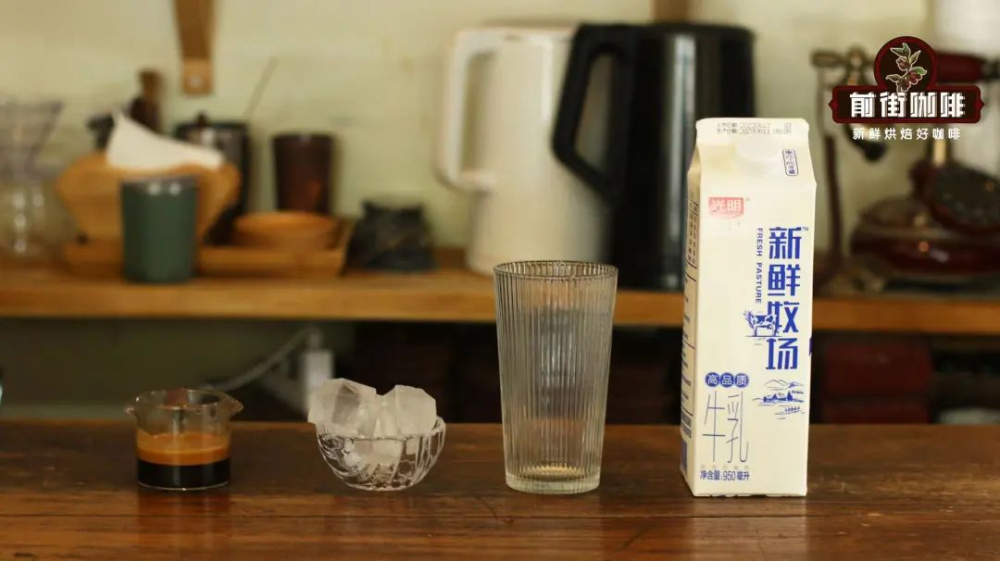
Step 2: Add about 80 grams of ice cubes, then pour in 170 ml of cold milk.
Step 3: Grind approximately 20 grams of medium-fine coffee beans and extract about 38 ml of espresso using a coffee machine (actual values may vary based on equipment and bean condition).
Step 4: Pour the extracted espresso into the cup containing the ice and milk.
Step 5: Stir gently to mix well, and enjoy. For the best flavor, consume it before the ice has completely melted.
How to make a Dirty (髒咖啡):
Preparation: It’s recommended to chill the cup in the fridge beforehand to maintain a significant temperature contrast between the coffee and milk.
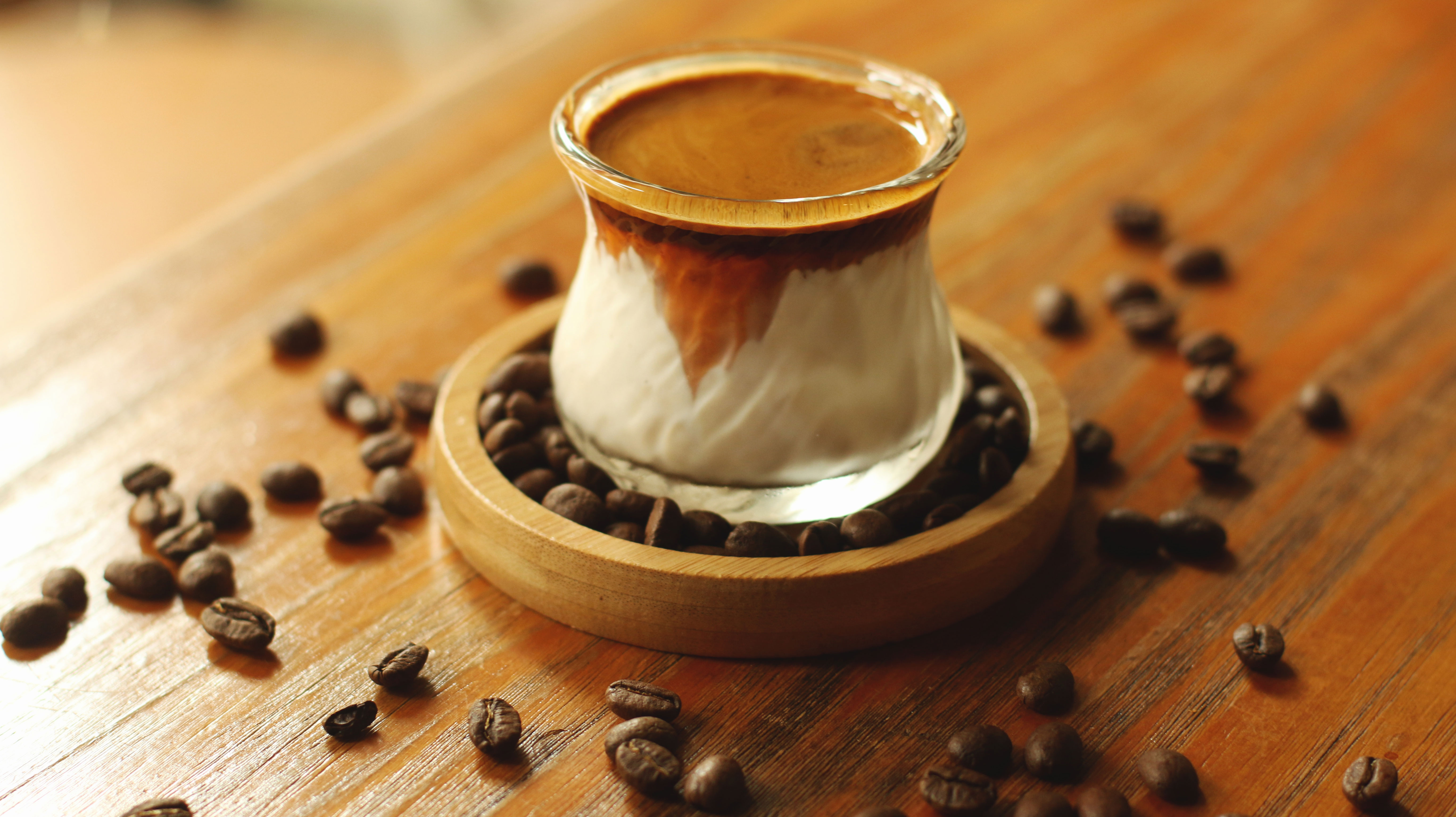
Step 1: Take out the chilled cup and pour in about 180 ml of iced milk.
Step 2: Grind an appropriate amount of coffee beans, fill them into the portafilter basket, and tamp evenly.
Step 3: Begin extracting the espresso while placing the cup steadily under the group head, allowing the hot espresso to flow directly onto the surface of the iced milk, creating a distinct layered effect.
Step 4: Once the espresso extraction is complete, you can drink it right away. It’s recommended to take a big sip to enjoy the unique flavor created by the interplay of hot and cold, and the layering of textures.
The above content is compiled by CoffeeHunters, a coffee news website.


