







Introduction:Espresso is the soul base of many classic coffee beverages such as lattes and cappuccinos. It is rapidly extracted under high pressure and high temperature, concentrating the essence of coffee. This article delves into how to make a balanced and flavorful Espresso, including key parameters such as the coffee-to-water ratio, extraction time, and grind size, as well as operational techniques like dosing and tamping, along with practical suggestions for common adjustments. It is suitable for coffee beginners and enthusiasts looking to refine their skills.
Espresso, also known as espresso coffee, is a strong black coffee extracted quickly in an extremely short time using high-pressure, high-temperature water flow. Its characteristic is the layer of golden fine crema on the surface, with an intense and layered taste. This extraction method is not only the essence of Italian coffee culture but also the foundation of many popular coffee drinks such as lattes, cappuccinos, and Americanos.
Early coffee was mostly brewed by infusion, which was time-consuming and did not concentrate the flavor effectively. It wasn’t until the 19th century that Italians, in pursuit of a more efficient and intense extraction experience, began using steam pressure to accelerate water flow through extremely finely ground coffee, eventually evolving into the prototype of modern Espresso. With the advancement of coffee machine technology, we can now stably extract this concentrated essence using semi-automatic or fully automatic machines.
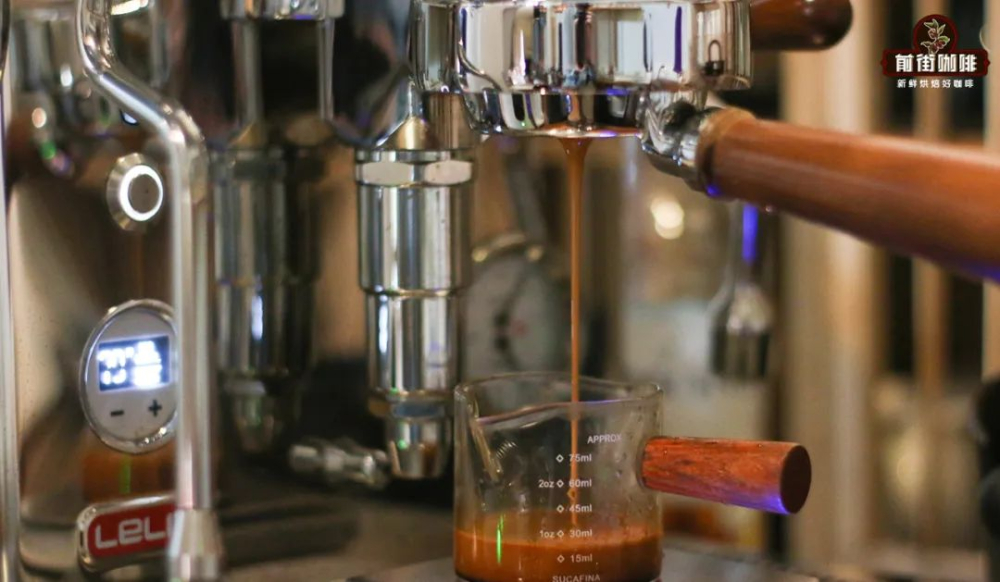
An ideal Espresso is typically made with 7 to 10 grams of coffee grounds, extracted in about 14 to 30 seconds, yielding 25 to 35 milliliters (approximately 1 to 1.5 ounces) of concentrated liquid. However, depending on different shops and usage needs, a common double shot extraction uses 18 to 20 grams of coffee, aiming for a liquid weight of 36 to 40 grams, with an extraction time maintained between 28 to 30 seconds, and a coffee-to-water ratio of approximately 1:2. Such an extraction can present a balanced acidity, sweetness, and bitterness, along with rich aroma and a full-bodied mouthfeel.
In actual operation, first ensure the espresso machine’s boiler water temperature is stable, generally recommended to be maintained between 90°C and 96°C, with pressure usually at 9 to 10 atmospheres. Then use freshly roasted, Espresso-suitable blends or single-origin beans, and grind them to an extremely fine state, similar to superfine sugar or even finer. Stable dosage is one of the keys, and it is recommended to use an electronic scale to ensure consistency in each extraction.
 Before dosing, be sure to thoroughly clean and dry the portafilter basket to avoid residual oils or coffee grounds affecting the next extraction. After pouring the ground coffee into the basket, gently level it with your fingers, then use a distributor to evenly spread the coffee layer, ensuring there are no obvious clumps or voids. After distribution, press the coffee firmly and vertically with a tamper, compacting the puck. The pressure is generally recommended to be around 15 to 20 kilograms, ensuring uniform puck density to facilitate stable water flow.
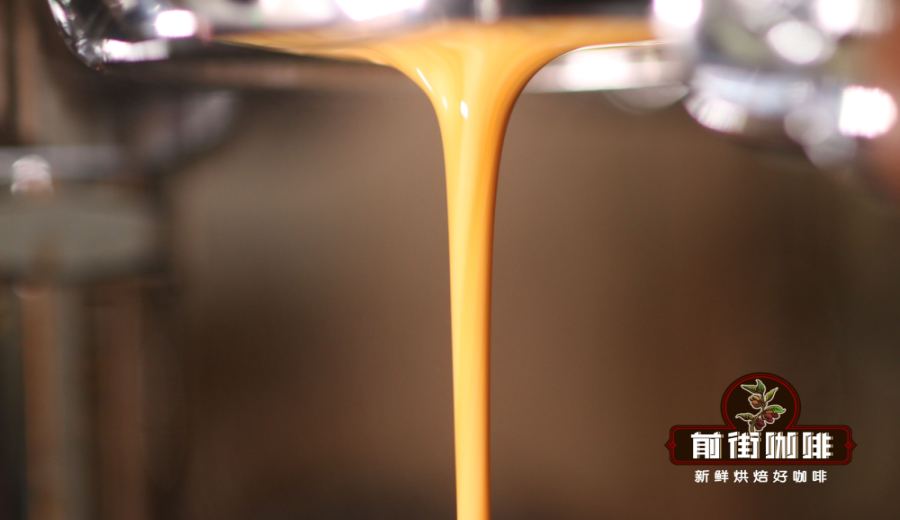
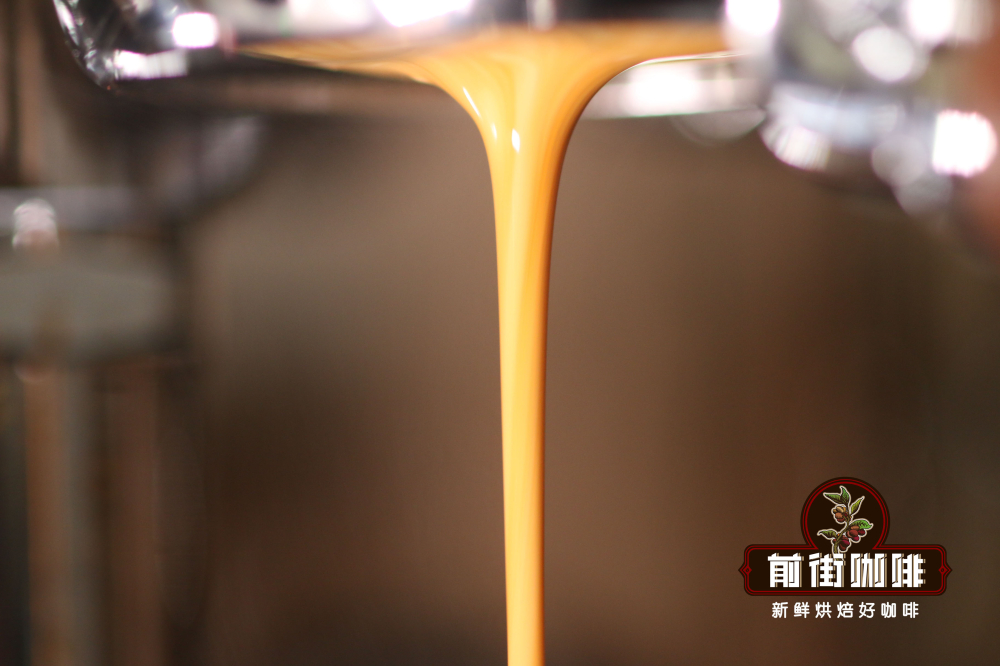
After tamping, you may first open the extraction switch to release a small amount of hot water for about 1 to 2 seconds. This helps to wet the group head and remove any residual coffee grounds that may be attached. Then securely and accurately attach the portafilter to the group head and start the extraction process. At this point, observe the flow of the extracted liquid. Ideally, the liquid should flow out evenly and finely, with a dark brown color tinged with gold, and the crema will gradually accumulate and cover the surface. When the liquid weight reaches the preset target (e.g., 40 grams), and the time falls between 28 to 30 seconds, you can stop the extraction.
It is important to note that the extraction process can be affected by factors such as the day’s ambient humidity, the roast level of the coffee beans, and their freshness. Therefore, it is recommended to make fine adjustments based on the actual flavor of the output. If the extraction time is too short (less than 20 seconds), it may result in under-extraction, leading to acidic and astringent flavors lacking in layers. If the time is too long (more than 35 seconds), over-extraction is likely, resulting in pronounced burnt bitterness and dryness. In such cases, you can adjust the grind size, dosage, or tamping pressure to find the optimal extraction balance for the current beans.
Additionally, operational details are extremely important. Uneven distribution or inconsistent tamping pressure can cause uneven water channels, leading to “channeling,” where some areas are over-extracted while others are under-extracted, severely affecting overall flavor. When attaching the portafilter, also pay attention to the angle and force to avoid knocking and breaking the puck, which would compromise extraction stability. After each extraction, it is recommended to immediately clean the shower screen and portafilter basket to prevent residual coffee grounds from carbonizing under high temperatures, which could affect the flavor of the next cup.
 In summary, making an outstanding Espresso requires a high degree of sensitivity and control over details. From the selection of beans, adjustment of grind size, to the setting of extraction parameters and the stability of operational techniques, every step influences the final flavor presentation. For those trying at home or for shop operators, understanding these basic principles and practical techniques will help achieve more consistently satisfying Espresso extractions and further explore the diverse world of coffee.
The above content is compiled by CoffeeHunters, a coffee news website.


