








Introduction:Italian coffee is not just about the intensity of espresso—it also features diverse variations and exquisite craftsmanship. From classic espresso to creative dirty drinks, each beverage has its unique ratio and brewing techniques. This article delves into common types of Italian coffee, exploring their fundamental principles, extraction parameters, and flavor profiles to provide practical guidance, helping you find your perfect match based on taste preferences.
Walk into any café, and Italian coffee is almost always the star of the menu. Many people, upon their first taste of espresso, are taken aback by its strong bitterness. However, the world of Italian coffee is far more diverse than imagined. From the most basic espresso to Americano with hot water, lattes and cappuccinos with milk, and even creative variations infused with flavors like chocolate or caramel, each drink has its unique recipe logic and extraction focus. This article will comprehensively introduce the most common types of Italian coffee found in cafés, analyzing their historical background, ingredient ratios, and preparation details, along with practical operational parameter suggestions to help coffee enthusiasts master selection tips.
 Espresso is the cornerstone of the Italian coffee system. Many people, when first trying it, are often put off by its intense and distinctly bitter character. Yet, the richness of the Italian coffee family should not be underestimated. Understanding the different types and basic principles is the first step to finding what suits your taste. The various specialty coffees derived from espresso offer even more possibilities for flavor variation.
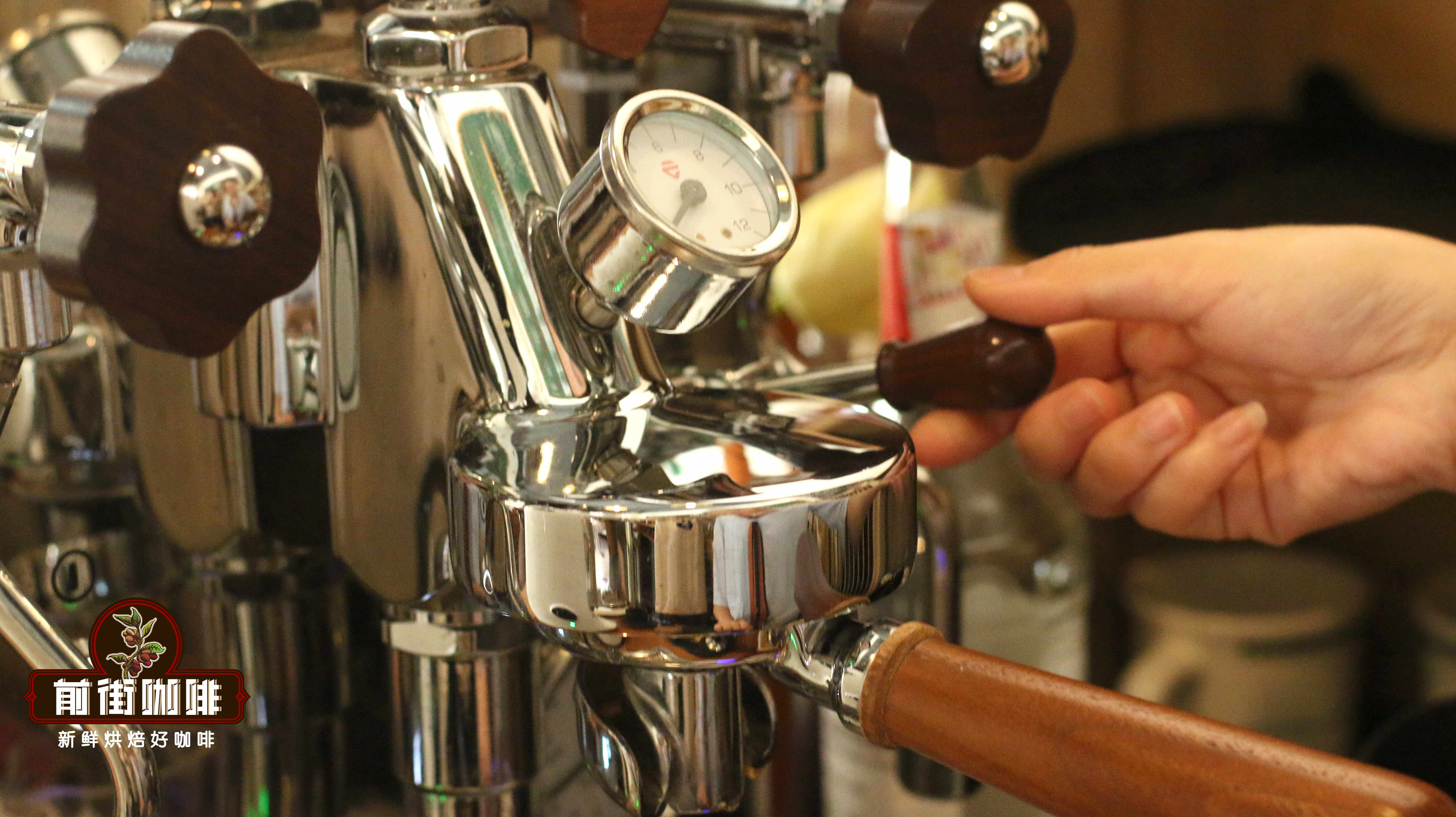
Espresso is considered the starting point of Italian coffee because nearly all other Italian coffee beverages are extensions of this base. A standard shot of espresso is extracted using high-pressure (about 9 bar), high-temperature (92 to 94 degrees Celsius) water, passing through finely ground and tightly tamped coffee grounds in 20 to 30 seconds, yielding about 30 milliliters of concentrated liquid. The golden to brown, fine and velvety layer floating on top is known as crema, whose color can vary depending on the roast level. In Italy, espresso is not just a beverage but a culture, with even official standards in place to ensure its flavor and quality are preserved.
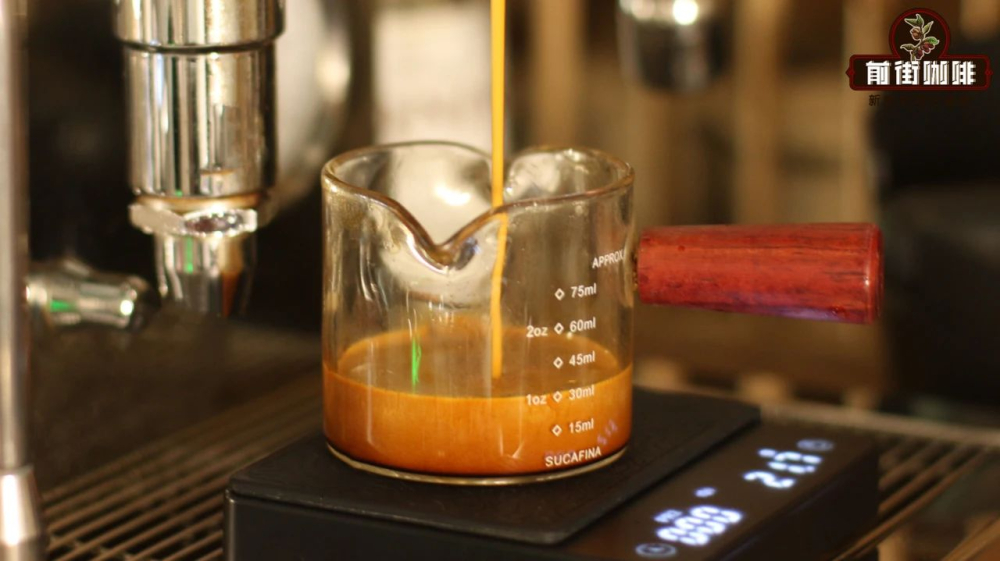 The term "espresso" derives its "es" from the English "ex," signifying speed and concentration. This extraction method requires a professional grinder to turn a blend (house blend) into an extremely fine powder to ensure rapid flavor release under high pressure. Blends are typically composed of beans from multiple regions, aiming to balance acidity, sweetness, bitterness, and aroma while stabilizing output quality. Due to its intense flavor, many people habitually add sugar or pair it with milk, giving rise to various specialty coffees such as con panna, macchiato, cappuccino, latte, mocha, and americano—each showcasing different flavor layers.
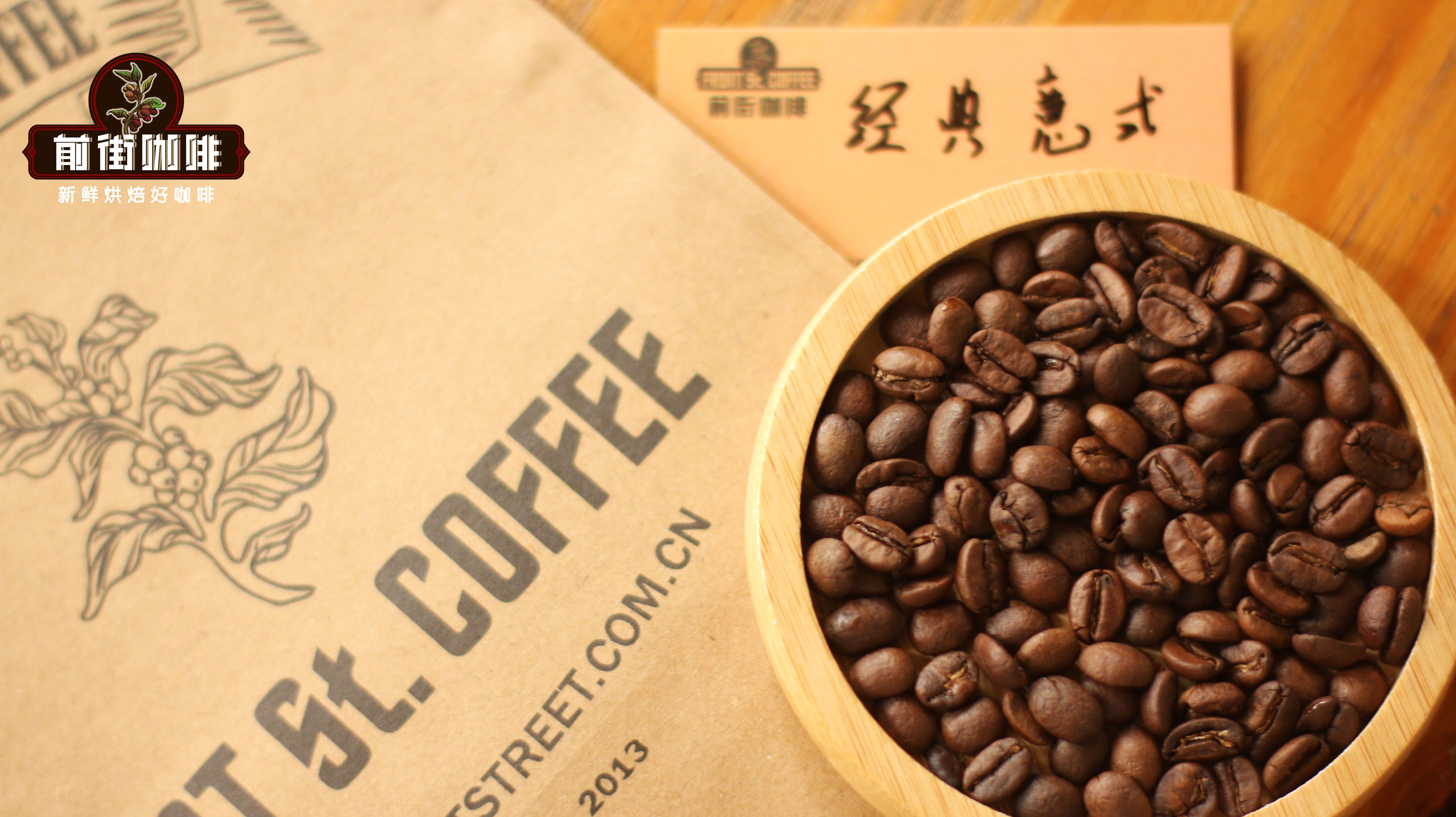
Making a good espresso starts with bean selection. Dark roasted blends are usually chosen for their rich aroma and ability to produce ample crema, making them ideal for various Italian coffee preparations. For example, a blend of Brazilian, Indonesian, and Vietnamese beans can deliver a robust caramel and nutty profile, performing consistently whether enjoyed straight as espresso or combined with milk in a latte.
Espresso is the most classic form of Italian coffee, typically made with dark roasted beans. It uses high-pressure steam to extract the essence of coffee in an extremely short time, resulting in a strong taste, noticeable bitterness, and the distinctive roasted aroma and subtle sweet aftertaste of dark roasts—truly representative of Italian coffee. For a double shot (around 20 grams of coffee grounds), the standard practice yields about 40 grams of espresso, topped with a fine and thick crema.
 Americano is made by diluting espresso with a large amount of hot water. Legend has it that this method originated during World War II when American soldiers, unaccustomed to the intense taste of espresso, added water themselves to tone it down. It later became a common variation of Italian coffee. A typical ratio is 40 grams of espresso mixed with 180 milliliters of hot water, totaling about 220 milliliters, with a coffee-to-water ratio of roughly 1:4.5. The flavor is relatively light but still retains the core characteristics of coffee.
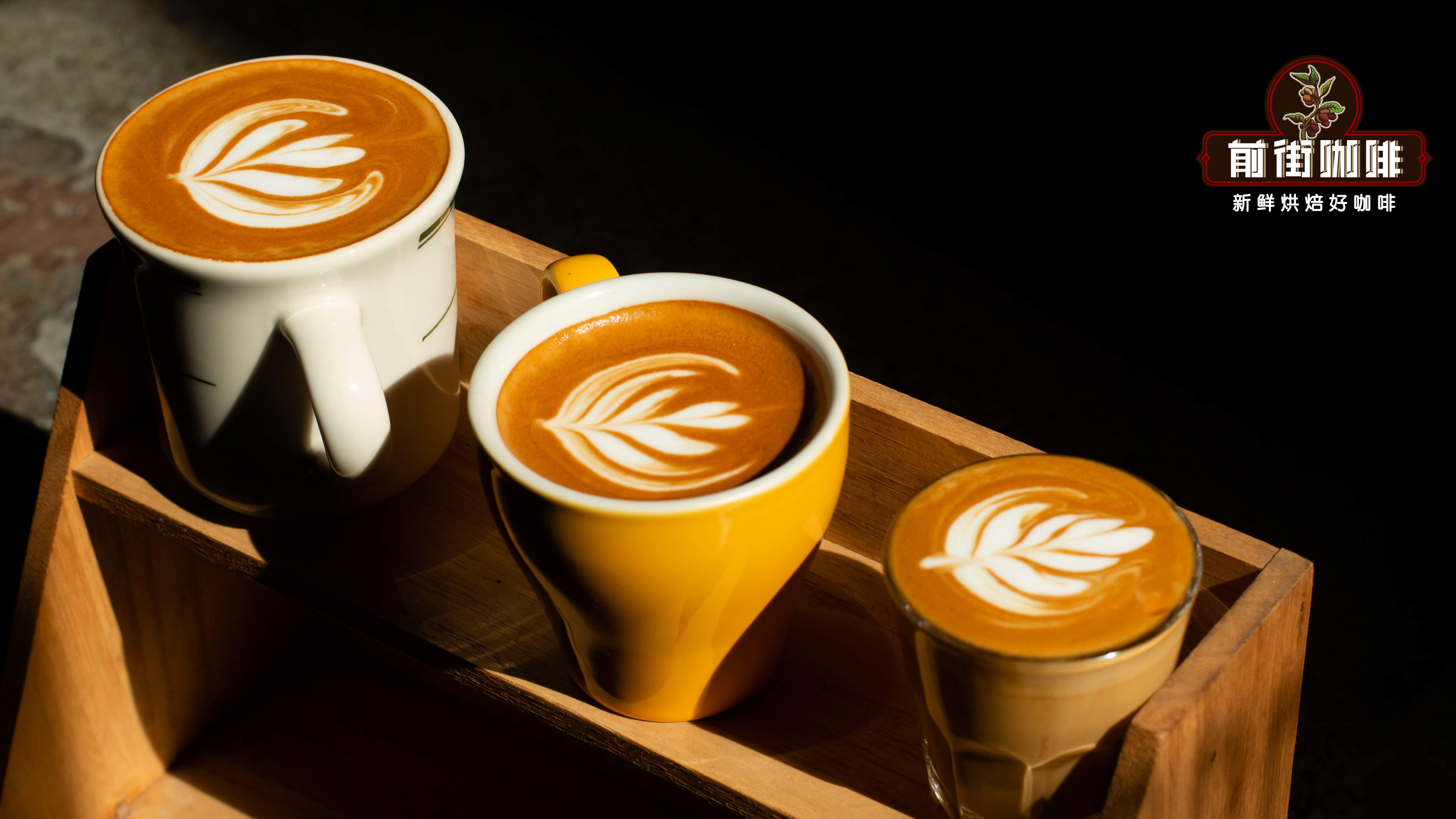
Latte, meaning "milk" in Italian, generally refers internationally to an espresso drink with a generous amount of steamed milk and milk foam. A common ratio is 1/5 espresso, 2/5 hot milk, and 2/5 milk foam, offering a mild and milky flavor. It can also be customized with vanilla, caramel, or cinnamon according to personal preference. A certain café’s latte recipe uses a double shot of espresso (40 grams), paired with 260 grams of milk and about 1 cm of milk foam. The proportions are balanced, the foam is smooth and silky, and it can be latte-arted into delicate patterns—a classic representation of coffee and milk integration.
Cappuccino also consists of espresso, hot milk, and milk foam, but in different proportions: 1/3 espresso, 1/3 hot milk, and 1/3 milk foam, resulting in a stronger coffee flavor overall. Its name originates from the brown robes of Capuchin monks in Italy, as the finished drink resembles the color of their attire. At one shop, a tulip cup of 180 milliliters is used, first pouring in a shot of espresso, then slowly adding velvety steamed milk and foam, creating distinct layers and balanced texture.
Mocha originally referred to coffee beans with chocolate flavor, later evolving into an Italian coffee drink with added chocolate. A common formulation is 2/5 espresso, 2/5 hot chocolate, and 1/5 hot milk, allowing you to enjoy the rich fusion of coffee and chocolate. A certain coffee brand’s mocha is made with 40 grams of espresso, 20 grams of chocolate syrup, and 260 grams of hot milk, resulting in a smooth, sweet yet not overly rich taste—perfect for chocolate lovers.
Macchiato means "marked" in Italian and originated when customers requested a small amount of milk in their espresso to distinguish it from pure black coffee. The barista then “marked” the surface of the espresso with a spoonful of foam, creating both visual and flavor variation. A certain café’s macchiato recipe consists of 40 grams of espresso with a dollop of fine foam—simple yet layered.
Caramel Macchiato, though not directly related to traditional macchiato, is a wildly popular Starbucks signature drink. A medium-sized cup (about 355 milliliters) mainly contains around 30 milliliters of espresso, plenty of hot milk, vanilla syrup, and caramel sauce, delivering a sweet and rich taste ideal for those with a sweet tooth.
The above content is compiled by CoffeeHunters, a coffee news website.


