







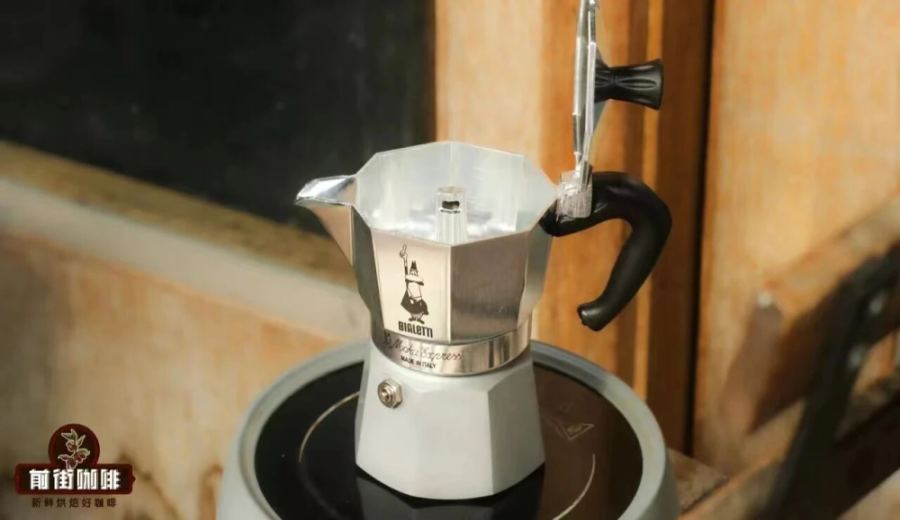
Introduction:To brew a richly flavoured espresso with a Bialetti moka pot, selecting the right coffee beans, mastering grind size, and using the correct dosing technique are essential. This article delves into the advantages of medium-dark roasted beans, the impact of freshness, and details the ideal grind fineness and tamping essentials for moka pots. It also recommends two suitable espresso blends to help you avoid common mistakes and brew coffee with a full crema and balanced flavour.
The Bialetti moka pot is the go-to choice for many home coffee brewing beginners. Its classic design and variety of colours make coffee brewing not just a daily routine, but a lifestyle. However, to brew a moka pot coffee with rich crema and a bold taste, every step—from bean selection, grinding, to dosing—holds its own nuances. This article will thoroughly explain how to choose coffee beans suitable for a moka pot, share the correct grind size and dosing techniques, so you can consistently brew high-quality coffee at home that rivals that of a café.
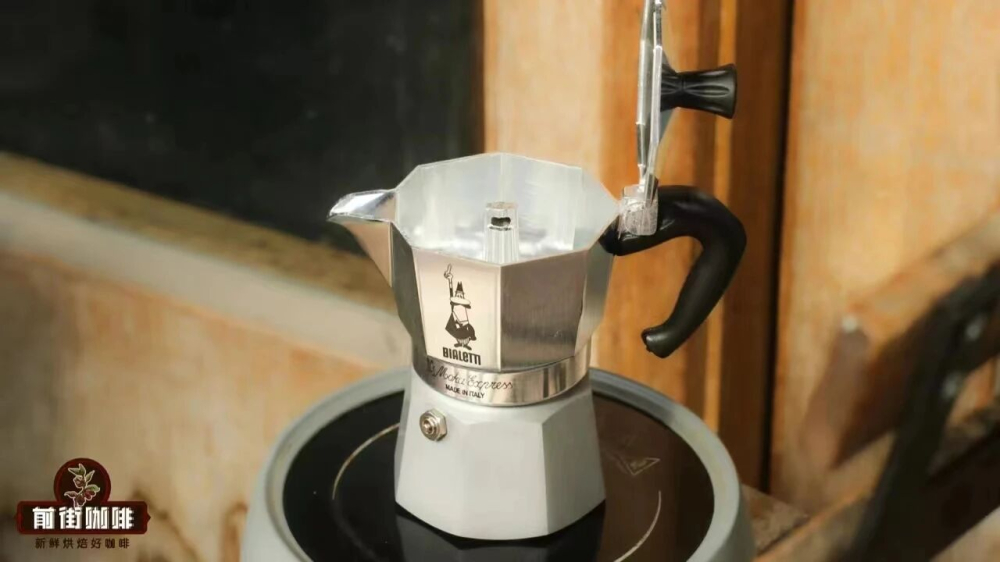
The moka pot extracts richly flavoured coffee by using pressurised heat to push steam through a bed of coffee grounds. Although its concentration is not as strong as that of a professional espresso machine, it is noticeably higher than that of pour over or French press, making it suitable for making black coffee or milk-based drinks like lattes. For those who have just started using a Bialetti moka pot, besides choosing the right pot size, one of the most common concerns is figuring out which type of coffee beans to use.
In theory, all types of coffee beans can be used in a moka pot, but if you want to fully showcase its characteristics, it is recommended to prioritise medium-dark roasted beans. These beans release a large amount of carbon dioxide during the roasting process and undergo rich caramelisation reactions, which not only bring out a strong crema but also impart a round and bold flavour to the coffee, with a softer acidity—making them suitable for both black coffee and milk-based coffee.
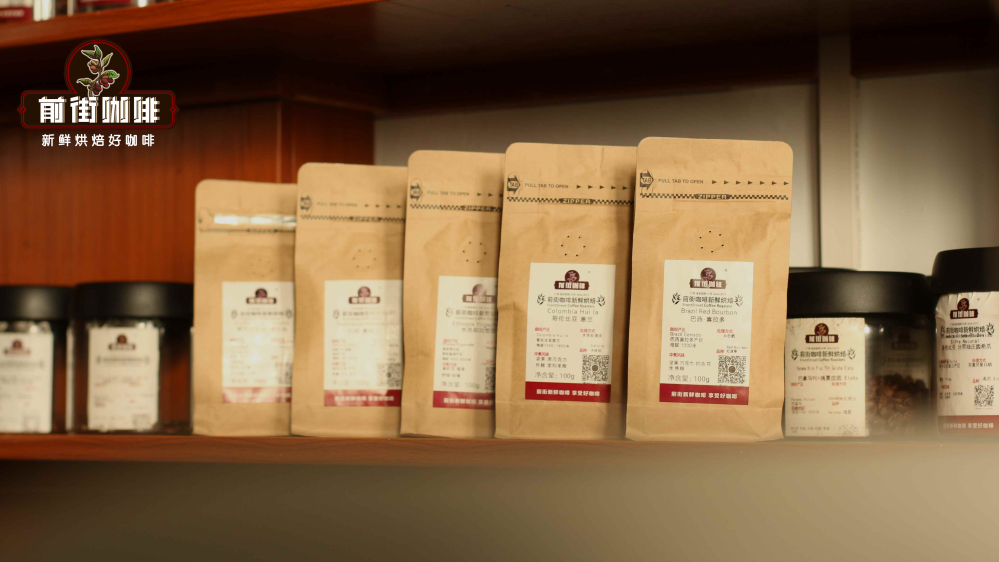
It’s important to note that the freshness of the coffee beans directly affects extraction performance. Generally speaking, coffee beans are at their best for consumption between 4 and 45 days after roasting. Beyond this period, the aroma rapidly diminishes, and you may eventually be left with only bland woody and bitter notes. Therefore, it is recommended to choose coffee beans roasted within 5 days prior and ensure fast shipping to maintain optimal flavour.
For moka pot use, it is recommended to prioritise freshly roasted medium-dark espresso blends or single-origin SOE beans. If you’re looking for an option with rich crema and great value, espresso blends are a reliable choice; if you prefer more distinct flavour layers, single-origin beans are also a great try. Below are two recommended espresso beans suitable for moka pot extraction:
A classic espresso blend: Made from a blend of multiple bean sources, it can stably extract a thick crema, with aromas of butter, toasted bread, hazelnuts, and caramel. The taste is rich, smooth, and has no noticeable acidity, making it suitable for both moka pot Americano and milk coffee, ideal for both home and café use.
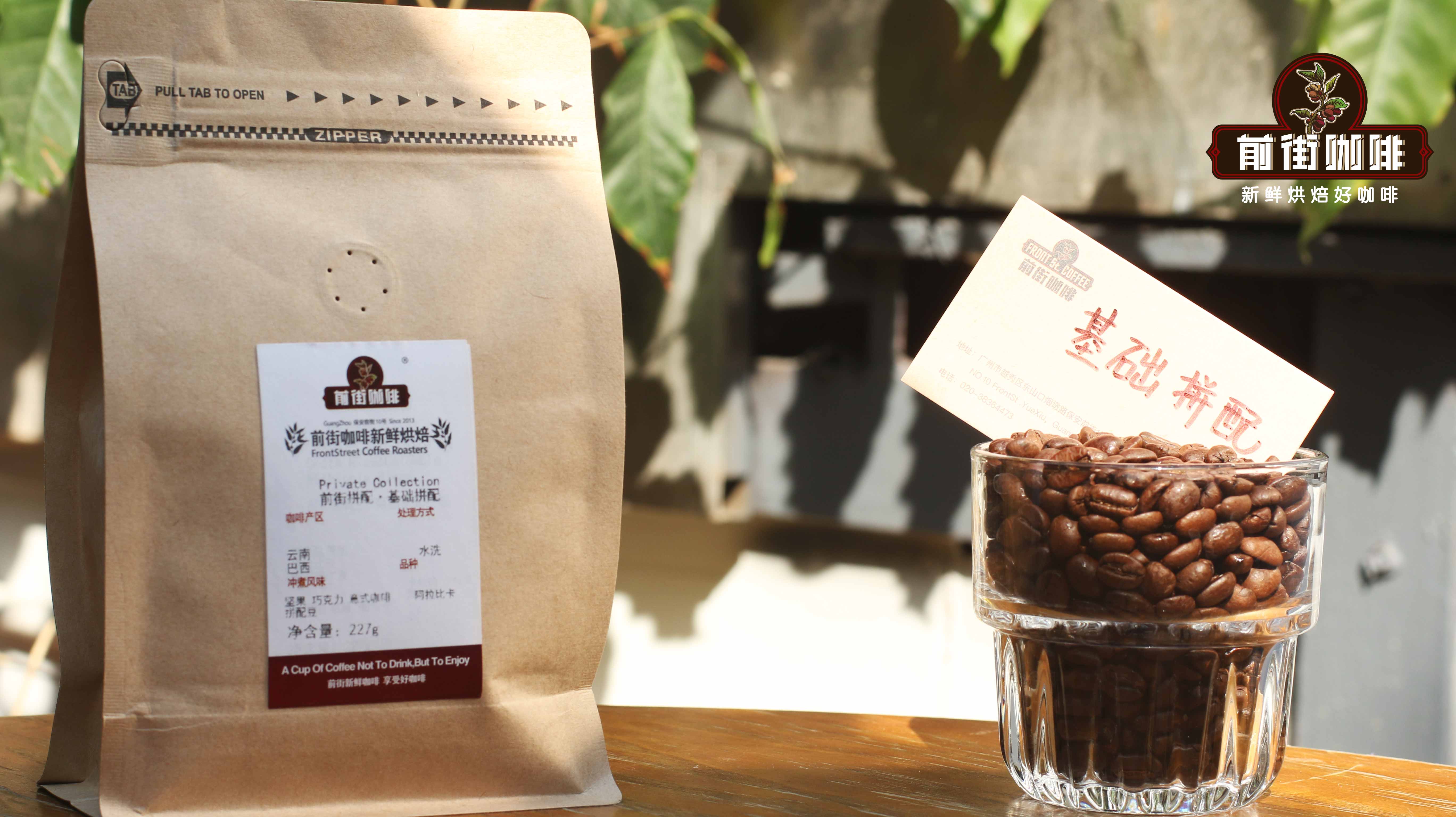
A dark cocoa espresso blend: Combining Yunnan small-seed variety beans with Brazilian Cerrado region beans, its flavours are dominated by nuts, cream, chocolate, and plums. It has low acidity and a balanced taste, with overall stable performance and great value, especially suitable for beginners and home users who prefer a bold flavour.

Once you’ve selected your coffee beans, the next step is adjusting the grind size. The grind for a moka pot falls between pour over and espresso—finer than pour over but only slightly coarser than professional espresso grind. It is recommended to grind close to the standard of an espresso machine, but not too fine, otherwise it may clog the filter basket, causing excessive pressure, preventing water from rising properly, and even creating potential safety hazards due to pressure build-up.
After grinding the beans, the next crucial steps are dosing and tamping. First, determine the amount of coffee based on the size of the pot. Taking a common three-cup moka pot as an example, it is recommended to use about 19 grams of coffee. At this point, you may notice that the coffee bed is slightly higher than the edge of the filter basket, but do not press it down firmly with your palm. The correct method is to first roughly level the coffee surface with your fingers, then gently tap it from side to side to allow the coffee grounds to settle evenly and reduce channeling.
If the grind size you’re using is on the coarser side, you can lightly apply pressure with your fingertips on the levelled coffee bed, which helps increase extraction resistance and promotes crema release; however, if the grind is already quite fine, there’s no need for additional tamping to avoid over-compression that could restrict water flow. Once the coffee bed is prepared, you can proceed to the next step.
Pour about 110 millilitres of hot water (preferably around 90–96°C) into the lower chamber, then assemble the filter basket and upper chamber, and place it on the heat source. It is recommended to use low to medium heat to avoid overheating the bottom, which can lead to over-extraction or burnt, bitter flavours.

When you see obvious crema (coffee oils) appearing in the silver area at the bottom of the moka pot, it means the coffee is almost fully extracted, and you should immediately remove the moka pot from the heat. Using residual heat, the remaining coffee in the pot will slowly continue to flow out, completing the final stage of extraction.
If you’re using a moka pot with a dual-valve design, it can more effectively stabilise pressure, resulting in even richer and more consistent crema. There’s no need to wait any longer—you can enjoy a bold moka pot coffee right away.
The above content is compiled by CoffeeHunters, a coffee news website.


