








Introduction:Want to brew espresso-like coffee at home with your Bialetti Moka Pot? This article details every step from selecting coffee grounds, distributing them, to heating, teaching you how to master the right extraction parameters. We also recommend five classic and single-origin espresso beans from renowned coffee shops. Whether you prefer bold dark roasts or fruity flavors, you’ll find a daily drinker that suits your taste.
The Moka Pot is commonly referred to overseas as an "Espresso pot," literally a pot for making espresso. It was created to allow home users without professional coffee machines to enjoy espresso similar to that served in Italian cafés. Its operating principle is similar to that of professional machines—using pressure to force hot water through finely ground coffee, extracting a rich coffee liquid.
When using a Bialetti Moka Pot, controlling the amount of coffee grounds is one of the key factors affecting extraction. Generally, the coffee chamber should be filled to the brim but not overflowing. The easiest way is to pour whole coffee beans directly into the chamber up to the upper edge, then grind them. After grinding, simply return the coffee grounds to the chamber. If you’ve already ground the coffee, you can also fill the chamber directly without further adjustment.
After placing the coffee grounds in the chamber, it’s recommended to gently tap the sides to let the coffee bed settle naturally, allowing the particles to distribute more evenly. Then, use your finger or a scraper to level the surface.Remember not to press down firmly.Over-tamping increases water resistance, which prolongs extraction time and can easily lead to over-extraction, negatively impacting the coffee's flavor.
Once the coffee is evenly distributed, you’re ready to heat. First, pour hot water into the lower chamber, keeping the water level about 0.5 cm below the safety valve. Then place the coffee-filled upper chamber on top and screw it tightly. It’s recommended to use a gas stove, electric ceramic stove, or halogen stove for heating. You can also preheat milk to around 60°C and pour it into a pitcher, but there’s no need to froth it yet.

When the Moka Pot starts heating and you hear a distinct “wuu wuu” sound, it means internal pressure is building up. At this point, immediately reduce the heat and open the upper chamber’s lid to observe. Coffee and crema (coffee oils) will begin to flow out. Once about half of the coffee has flowed out, turn off the heat and remove the Moka Pot from the heat source, placing it on a stable surface.
At this stage, the remaining heat and residual pressure inside the pot will continue to push some coffee up into the upper chamber, resulting in a freshly brewed Moka Pot coffee. This natural ending process also helps avoid over-extraction, leading to a more balanced coffee flavor.
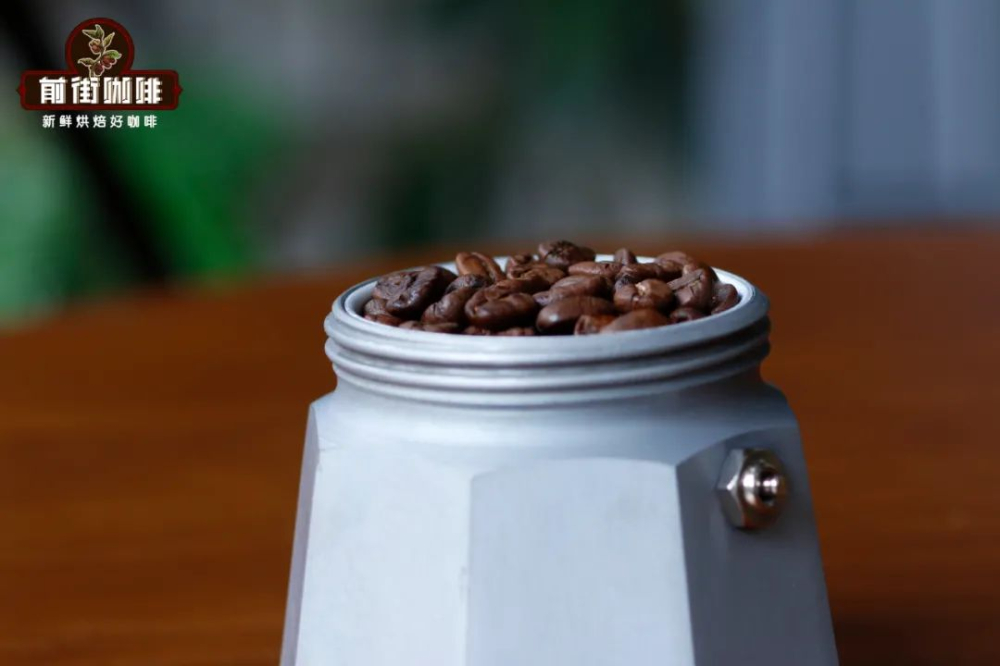
If you want a more stable and flavorful result from your Moka Pot brewing, it’s recommended to use fresh, dark-roasted espresso beans. Dark roasts not only deliver a rich, full-bodied taste but also produce more crema. Whether you’re making black coffee or adding milk for a latte, you’ll get a more authentic Italian-style flavor. Additionally, dark roasts often offer better value, making them ideal for daily drinking.
Here are five espresso bean recommendations from well-known coffee shops, including both classic blends and single-origin (SOE) options, catering to different taste preferences:
① A well-known coffee shop’s Black Cocoa blend espresso beans: Known for their balanced flavor and rich notes of nuts and chocolate, these beans are great for Moka Pots and home espresso machines, offering excellent value and are a daily favorite among many baristas.
② A well-known coffee shop’s Classic blend espresso beans: Delivering pronounced caramel and dark chocolate aromas with a clean aftertaste, low acidity, and a thick, velvety crema, these beans are suitable for both home and café use.
③ A well-known coffee shop’s Strawberry Candy espresso blend: Featuring a complex flavor profile of floral notes, strawberry soft candy, dried blueberries, and almonds. When brewed with a Moka Pot, it’s neither bitter nor sour, offering a sweet and balanced fruity taste, perfect for those who enjoy fruity profiles.
④ A well-known coffee shop’s PWN Golden Mandheling SOE beans: Boasting notes of pine, black chocolate, herbs, and caramel, these beans produce a Moka Pot coffee with fine crema, a rich body, and low acidity. Ideal for coffee lovers seeking single-origin flavors.
⑤ A well-known coffee shop’s Brazilian Queen Estate SOE beans: Showcasing distinct flavors of roasted nuts, cream, and chocolate, with a natural sugarcane sweetness. These beans offer a balanced acidity and bitterness, a clean and refreshing finish, making them a great choice for those who prefer a smooth and mellow flavor profile.
The above content is compiled by CoffeeHunters, a coffee news website.


