








Introduction:Want to understand why the same coffee beans can present completely different flavor profiles under varying roast levels and brewing methods? This experiment uses three roast levels—light, medium, and dark—as the foundation, and employs two classic extraction methods: cold drip and pour over. We conduct a detailed comparison across aroma layers, acidity expression, body texture, and aftertaste duration. Not only do we analyze the unique flavor characteristics of each combination, but we also provide practical tasting suggestions and beginner-friendly bean selection guidance to help coffee enthusiasts find the combination that best suits their personal taste.
The final flavor profile of coffee is the result of the interplay between the green bean’s inherent qualities, the roasting curve, and the extraction process. This experiment focuses on two of the three key variables—roast level and brewing method. We selected coffee beans representing three typical roast styles—light, medium, and dark—and conducted comparative tests using two highly representative extraction techniques: cold drip and pour over. We closely observe their actual differences in aroma expression, acidity characteristics, body structure, and aftertaste continuation.
In the cold drip extraction experiment, the light roast beans exhibit a fresh tonality dominated by citrus fruit aromas, delicate floral notes, and natural sweetness.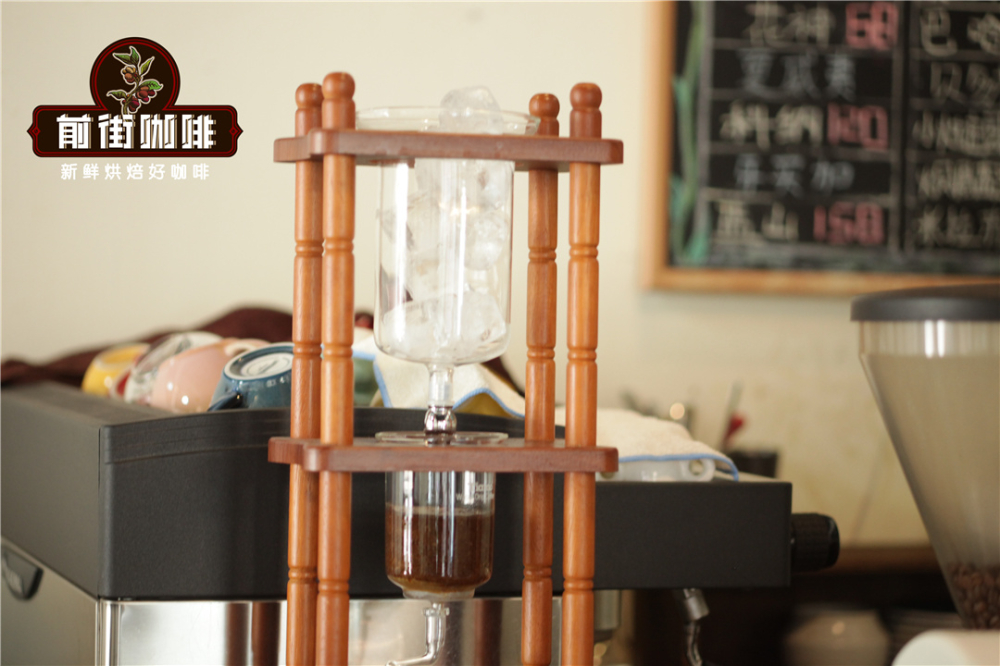 Among them, the washed-process Gu Ding Ding variety particularly brings out a bright lemon note, jasmine undertones, and a refined honey aftertaste. The tea-like expansive aroma released at the beginning of immersion creates an immersive atmosphere akin to a forest bath. Upon entering the mouth, the acidity transforms into soft fruity acid layers, resulting in an overall refreshing yet structured mouthfeel.
Medium roast beans, during cold drip extraction, release more robust tropical fruit aromas. Taking strawberry syrup as an example, one can distinctly perceive a complex aromatic profile of rose petals, ripe grapes, sweet orange peel, and blueberry berries.Its warm and sweet fragrance is non-aggressive, presenting a smooth mouthfeel and a subtle balance of acidity and sweetness upon entry, with an aftertaste that carries lingering fruit notes and moderate richness.
Dark roast beans, in the cold drip system, showcase unique oil expression and a dense texture. The Queen’s Estate offering exhibits an aroma combination of creamy peanut, caramelized cane sugar, and toasted bread.Although an obvious roasted bitterness may appear initially, as the extraction time extends, the coffee liquid gradually transforms into a concentrated flavor with a silky texture. The oily layer provides a smooth tactile sensation on the tongue, making it suitable for drinkers who prefer a heavier mouthfeel.
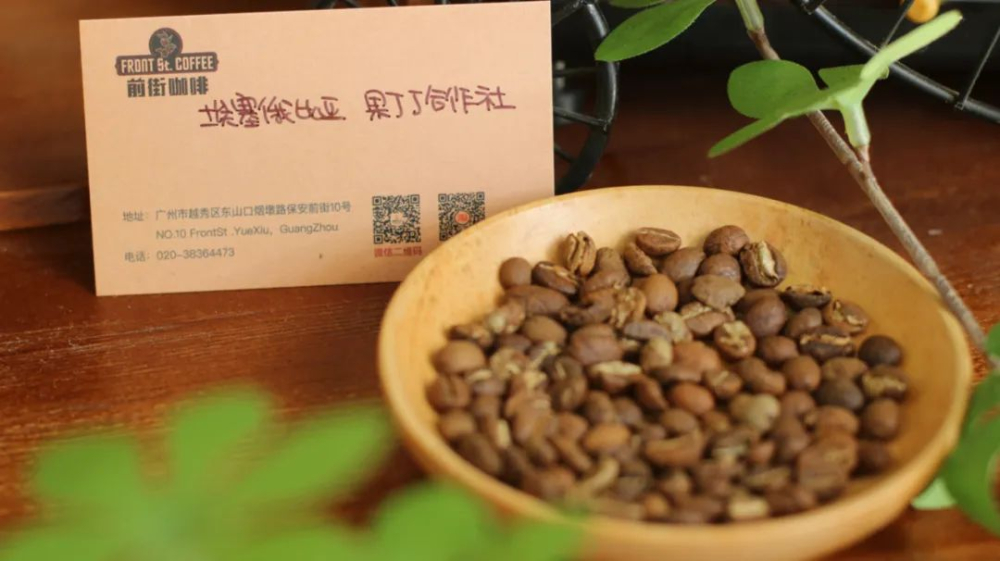 Switching to the pour over extraction method, the aroma characteristics of the light roast beans undergo significant changes. Taking the washed Hua Hudie variety as an example, the moment water is poured, it releases an uplifting citrus acidity and floral tonality, forming a sharp contrast with the cold drip version. Its acidity is more direct and bright, with a clean and distinct mouthfeel and well-defined layers, making it suitable for those seeking a fresh flavor profile.
Medium roast beans, under pour over conditions, enhance the sweet aromatic spectrum of chocolate and caramel. The 2013 natural process Typica variety showcases the classic characteristics of a blend coffee.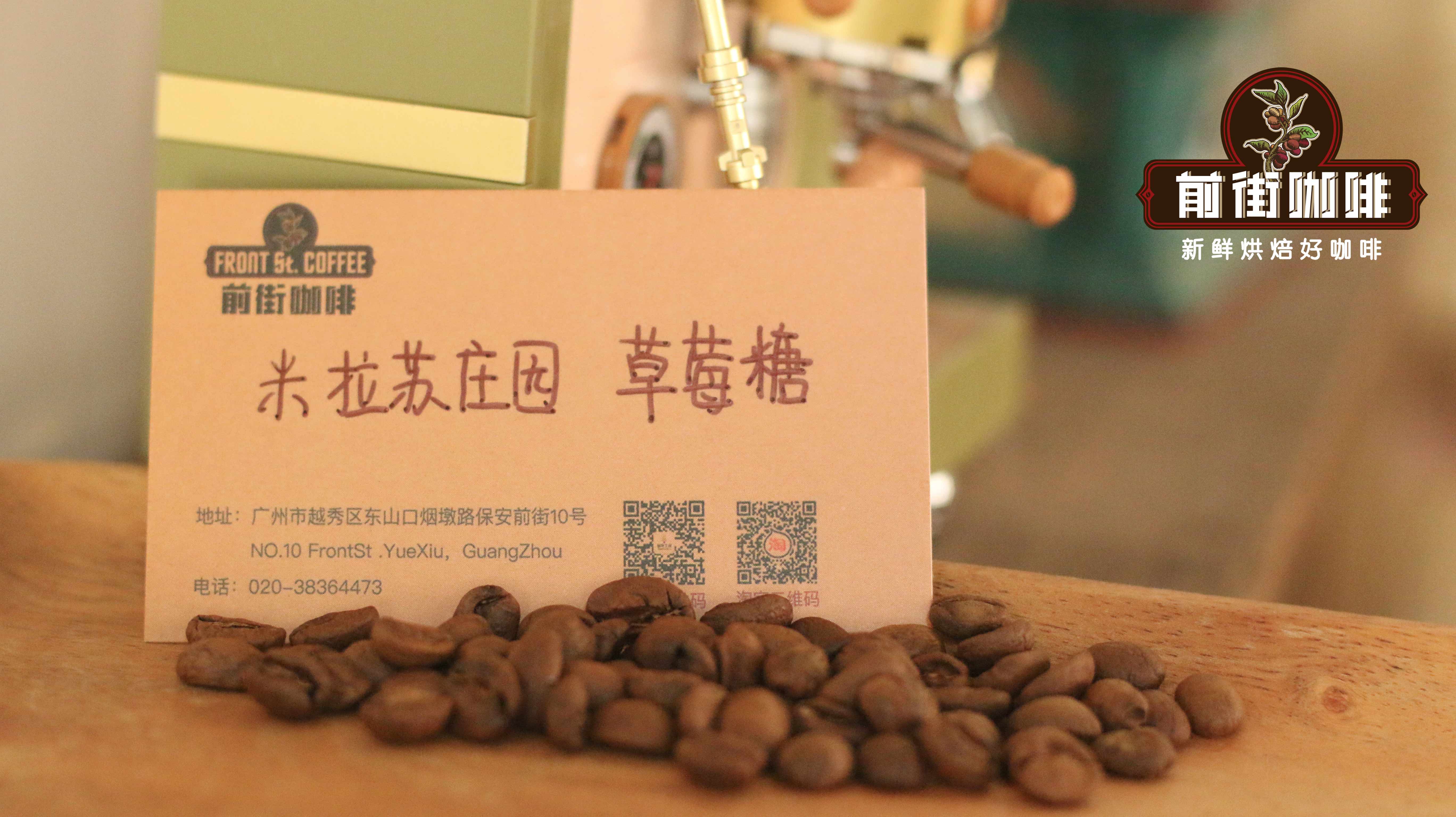 Its aroma profile includes familiar roasted cereal notes, which transform into a smooth chocolate texture and clear caramel sweetness upon entry. The aftertaste carries a gentle sweetness, making it a classic choice that balances the three elements of acidity, sweetness, and bitterness.
Dark roast beans, when used in pour over applications, highlight a rich and singular flavor axis. The PWN Golden Mandheling exhibits strong smoky aromas and nutty tonalities.Although it has a noticeable roasted bitterness, its rich texture and long-lasting aftertaste are especially suitable for making milk coffee or for single-origin coffee lovers who prefer intense flavors. It is recommended to use a slightly coarser grind size and a lower coffee-to-water ratio to control the risk of over-extraction.
The above content is compiled by CoffeeHunters, a coffee news website.


