







Introduction:When brewing coffee at home, one often faces the dilemma of choosing between whole beans and ground coffee. This article provides an in-depth analysis of five mainstream brewing methods for freshly ground coffee, including pour over, French press, moka pot, and more, along with expert advice on bean aging and storage. From extraction principles to practical steps, it helps you find the most suitable brewing method based on bean characteristics and equipment conditions, thereby elevating your home coffee experience.
To enjoy a professional-grade cup of coffee at home, every step—from selecting green beans, controlling grind size, to choosing the right brewing equipment—affects the final flavor. For beginners, a common question is: Do coffee beans have to be ground fresh? And how should pre-ground coffee be brewed properly? This article will systematically introduce five common brewing techniques for freshly ground coffee, and explain the management of the aging period and key storage points, enabling you to make the most suitable choice based on personal preferences and equipment conditions.
In the early days, people used relatively simple methods to brew coffee—typically by soaking coarsely ground coffee powder directly in hot water. While this preserved the original flavors, the presence of a large amount of fine sediment affected the taste. With the evolution of brewing techniques, modern methods utilize different extraction principles and filtration systems to not only highlight the aromatic layers of coffee but also effectively separate coffee grounds. The following section categorizes brewing methods into five types based on the contact between water and coffee grounds: immersion, pressure, gravity, drip filtration, and cold brew.
For freshly roasted coffee beans, especially single-origin varieties suitable for pour over, it is recommended to allow a 2–3 day aging period. Store unopened coffee beans in a cool, dry place, away from direct sunlight and odorous environments. After aging, you can use transparent tape to seal the one-way valve on the packaging to slow down aroma loss. Once opened, the key to preservation is to isolate air and moisture. It is recommended to store the beans in an airtight container at room temperature in a cool place; if no specialized container is available, you may choose aluminum foil bags with one-way degassing valves, which can also effectively maintain coffee freshness.
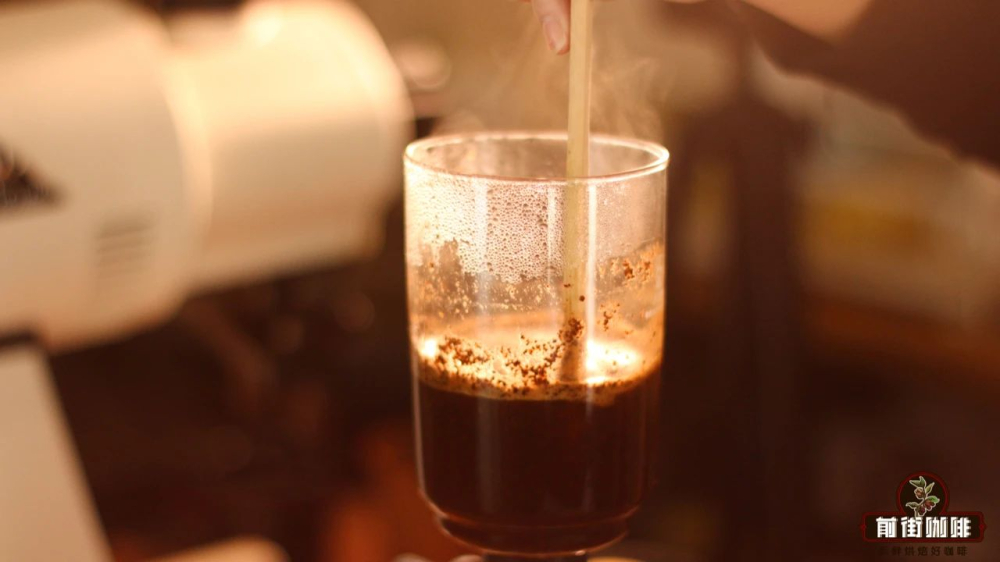
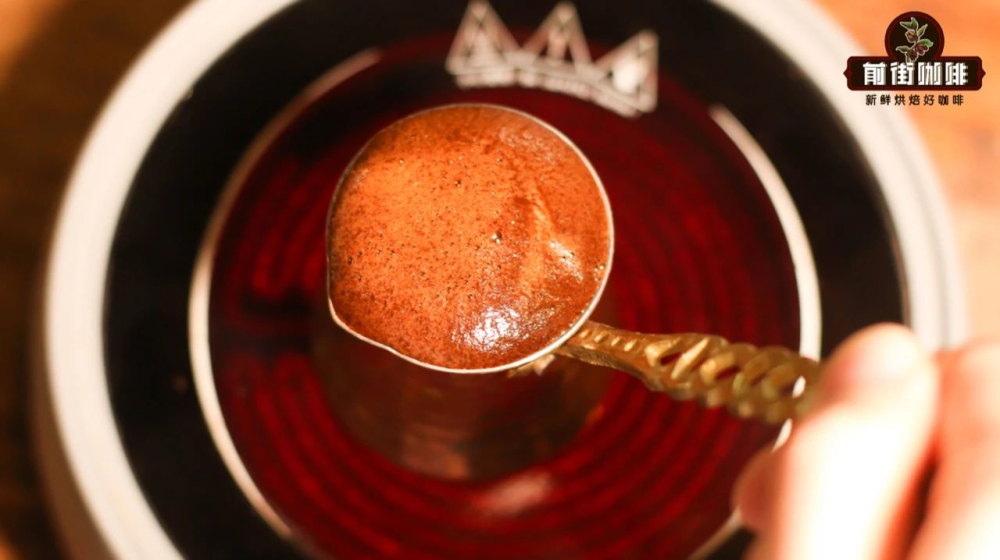
【Immersion Method】As the oldest brewing method, its principle involves pouring coffee grounds directly into a container and then adding hot water, allowing the powder to settle naturally. Traditional Indonesian brewing methods fall into this category. Although simple to operate, care must be taken to avoid consuming the fine sediment that settles at the bottom. Turkish coffee is a typical representative, using extremely finely ground coffee boiled in a special small pot, usually sweetened and spiced, where the surface foam and bottom coffee grounds form distinct layers. Another variation, “cowboy coffee,” involves boiling coffee grounds and water directly in a pot—this rugged brewing style remains popular in Nordic regions to this day.
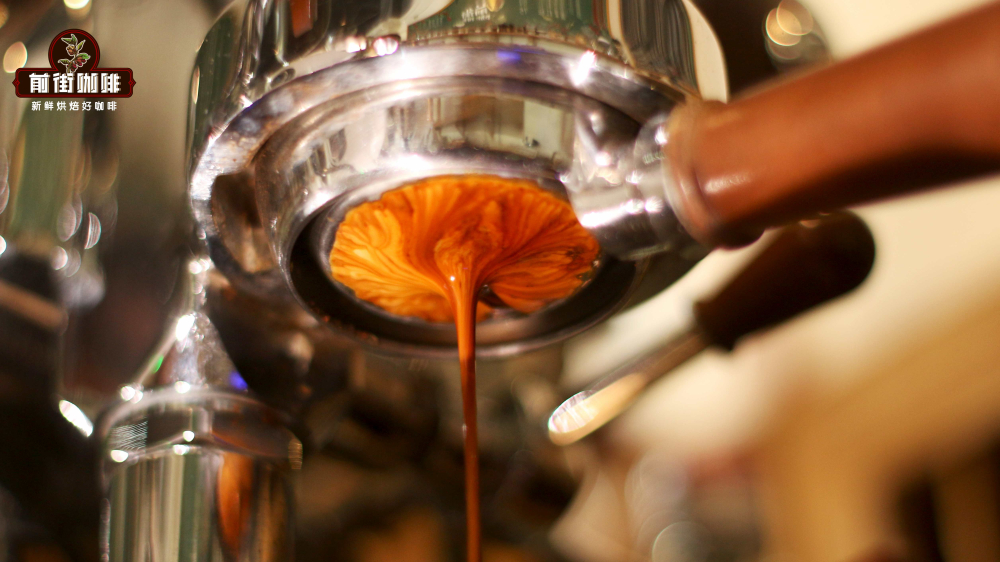
The core of the 【Pressure Method】lies in using high-pressure environments to extract the essence of coffee. The most representative example is espresso, which requires water at 90–96°C to pass through a compacted coffee puck under 8–9 atmospheres of pressure. The standard extraction volume is about 30 milliliters, and the resulting crema is one of the indicators of quality. The household moka pot operates on a similar principle, consisting of three layers: the heated water layer, the coffee puck layer, and the steam-driven lift layer. When about 30–40 milliliters of coffee liquid flows out, the heat should be removed immediately. It is recommended to use a cold water bath to rapidly cool the pot and avoid over-extraction. This method is suitable for those who prefer a strong and intense flavor, but it requires precise control of the coffee-to-water ratio and grind size.
The 【Gravity Method】achieves natural drip filtration through paper or metal filters, and American drip coffee falls into this category. During brewing, an appropriate amount of hot water is evenly poured over the coffee grounds, and gravity guides the extraction liquid through the filter medium. Electric drip machines improve extraction efficiency by repeatedly cycling heated water flow, but this may lead to flavor blending. Key parameters for these methods include the coffee-to-water ratio (recommended 1:15–1:18) and brewing time (usually 3–4 minutes), making them suitable for everyday drinking that pursues balanced flavor.
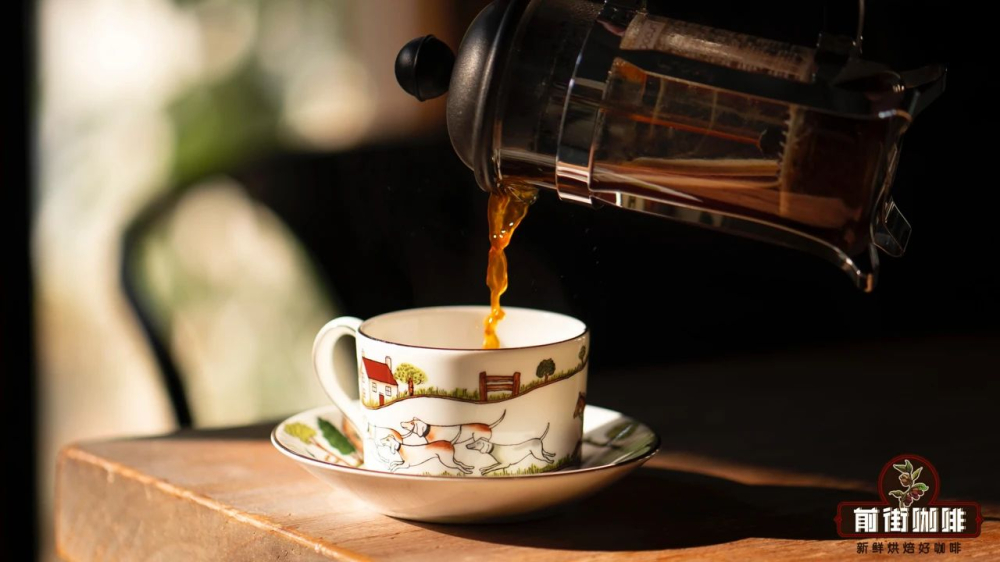
The 【Immersion-Drip Method】, typified by the French press, involves the following steps: preheating the container, adding coffee grounds (coarse grind recommended), pouring in 93–96°C hot water and blooming for 4 minutes, then slowly pressing down the filter. It is practically advised to first preheat the French press with hot water for 2 minutes before adding the coffee grounds and water, then steeping with a metal filter before pressing. If a clearer taste is desired, a secondary filtration can be performed to remove fine particles. This method fully showcases the sweetness and body of the coffee, particularly suiting well-balanced beans such as Indonesian Mandheling or Colombian varieties.
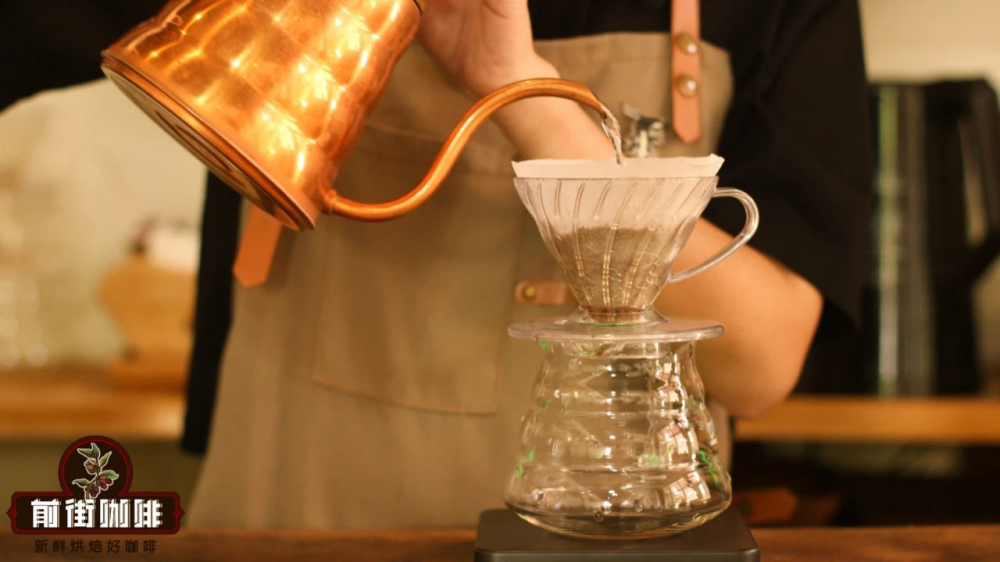
The 【Pour Over Method】follows a professional process comprising six key stages: preheating the equipment (filter cone and server), placing and wetting the filter paper to ensure it adheres, blooming with 30 grams of water (pour within 10 seconds and let sit for 30 seconds), first pour of 125 grams (circular pouring centered until 1 minute), second pour to reach a total of 225 grams (around 2 minutes), and finally stirring the coffee liquid to ensure uniformity. This method allows precise control over water temperature (recommended 88–92°C), water flow rate, and extraction time, making it ideal for exploring the unique flavor profiles of single-origin beans.
The 【Siphon Coffee Maker】combines vacuum and filtration principles. Heating causes the water in the lower chamber to rise into the upper chamber and mix with the coffee grounds. After removing the heat, the pressure difference draws the liquid back down through filtration. This method produces a clean and bright flavor profile, ideal for highlighting the high acidity of African beans. Meanwhile, the 【Cold Brew Method】employs ice water for slow drip filtration (usually taking 6–8 hours). Through low-temperature extraction, it minimizes the release of impurities, creating a uniquely crisp flavor, though it requires attention to hygiene management and drip rate control.
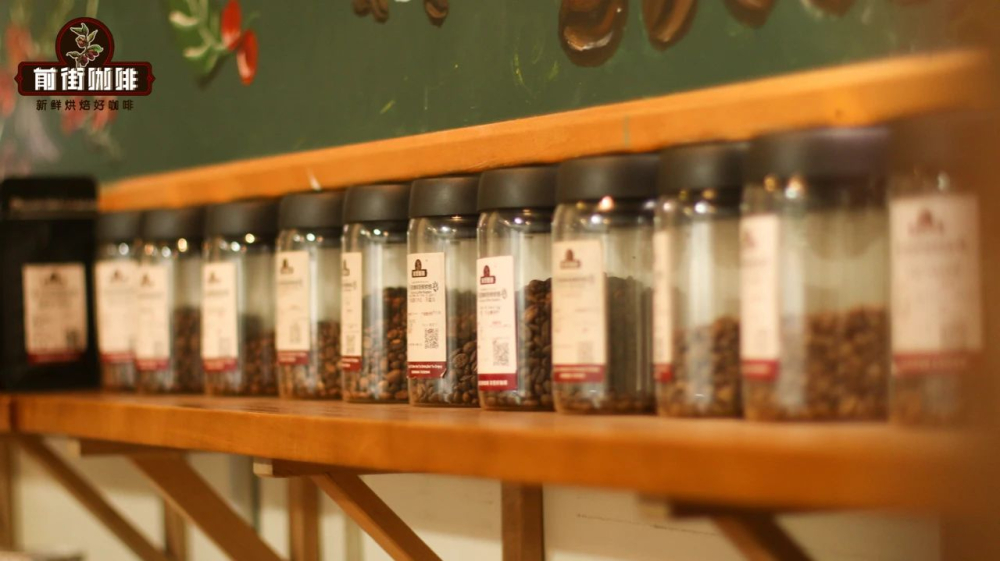
Modern convenience options like 【coffee pods】eliminate the grinding step but still come with the limitation of single-use 10-gram packets. Over-steeping can lead to over-extraction, resulting in noticeable bitterness. It is recommended to consume them soon after opening and store them sealed and away from light. For users without a grinder, pre-ground coffee is an option, but shelf life and flavor retention should be considered. Regardless of the method chosen, the key lies in understanding the compatibility between bean characteristics and brewing parameters, adjusting through practice to discover your favorite flavor profile.
The above content is compiled by CoffeeHunters, a coffee news website.


