








Introduction:Espresso often gives off an impression of being intense and mysterious, but did you know that this small cup actually contains a richly layered sensory experience? From the golden crema on the surface to the soluble compounds within, every detail influences the flavor profile. This article delves into the three core components of espresso and introduces professional extraction parameters along with practical drinking tips, helping you go beyond just drinking it — and truly savor the essence of espresso.
Many people, upon first trying espresso, often look puzzled: such a small cup, yet so intense in flavor — where exactly should one begin to appreciate it? In truth, the charm of espresso doesn’t lie in its bitterness alone, but in its complex structure — including the layer of crema floating on top, the fine coffee oils, and the soluble compounds released by the coffee beans. These elements together create an intense yet distinctly layered flavor experience that’s worth savoring.
Espresso is commonly used as the base for milk-based drinks like lattes and cappuccinos, and is the essence extracted under high pressure by professional coffee machines. Many beginners wonder, “How am I supposed to drink something this bitter?” The answer actually lies in its structure. Understanding the composition of espresso is the key to truly appreciating its wonders.
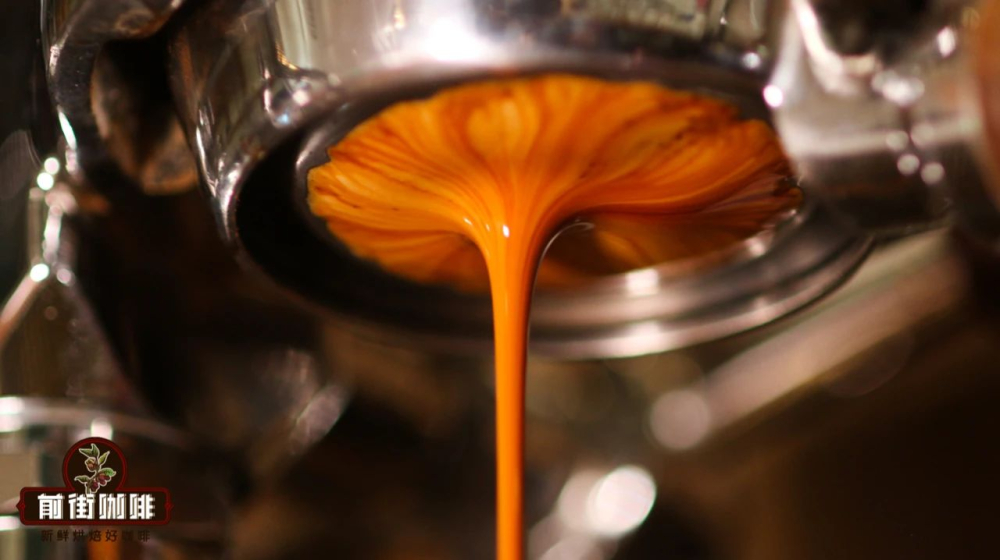
The first key component of espresso is the crema, or what we commonly refer to as the crema.This brownish foam floating on the surface of the coffeeis primarily formed through the interaction of carbon dioxide released during the roasting process and the insoluble oils naturally present in the coffee beans. When the coffee machine extracts at around9 bars of pressure, the water under high pressure is almost supersaturated with carbon dioxide, preventing the CO₂ from escaping freely. Instead, it emulsifies with the oils and forms tiny bubbles that suspend in the liquid, eventually rising to the surface. This creates the captivating golden color and a velvety texture.
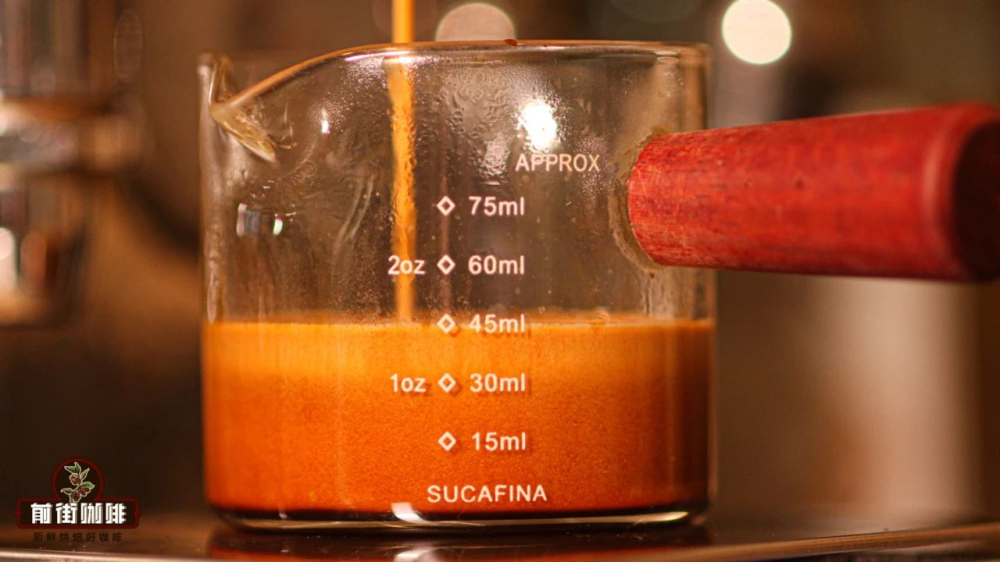
If you gently skim off the top layer of crema, you might then notice a thinner layer of floating oil — this actually results from the natural sugars in the coffee transforming during roasting. At appropriate roasting temperatures, especially approaching190°Ccertain stages, sugar molecules undergo caramelization, producing mildly sweet aromas and complex flavor layers. This is also one of the details many professional baristas strive for.
Beyond the crema and floating oils, the most important elements in espresso are the water-soluble compounds, which include acidity, sweetness, and bitterness. Generally speaking, about30% of the coffee beanis made up of soluble substances, while the rest consists of insoluble components like lignin. The release order of these soluble elements typically begins with acidity, followed by sweetness, and finally bitterness. This overall sequence determines the flavor profile we experience when drinking espresso.
Having understood the basic composition of espresso, let’s take a closer look at how professional extraction is carried out. A well-known coffee shop once launched a blend using Ethiopian natural red cherry beans and Honduran whiskey barrel-fermented beans in a 7:3 ratio. This blend achieves a rich base through the high proportion of whiskey barrel beans, while a small amount of natural beans adds bright acidity and fresh aroma, resulting in a balanced and layered espresso.
In terms of roasting strategy, this blend employs a gradual reduction in heat to ensure even development of each bean. The specific process includes: loading the beans at210°C chamber temperature, with an initial air vent setting of 4 and a flame power of 200. The turnaround point is reached at approximately 1 minute and 30 seconds, with the temperature at 92°C; when the temperature drops to 140°C, the air vent is increased to 6, the bean surface turns yellow, and the grassy odor has completely dissipated, entering a stable drying phase; at 180°C, the flame power is further increased to 10, and the air vent is opened fully to 10, pushing the beans into the first crack stage. When obvious wrinkles and dark spots appear on the bean surface, around10 minutes and 38 seconds, the first crack begins, continuing for a3 minute and 40 second development phase, and finally dropping at197.5°C, resulting in this signature blend.
When actually extracting this blend for espresso, it is recommended to use the following parameters:pressure at 9 bars, water temperature controlled between 90.5~96°C, total extraction time of about 20 to 30 seconds, coffee dosage of 20 grams (for a double shot), aiming for an extraction yield of 40 milliliters. These settings allow for the full release of the beans’ aroma, sweetness, and body, resulting in flavors that include distinct fruit acidity, berry notes, subtle whiskey undertones, and a rich chocolate character, with a sweet and long-lasting aftertaste.
So, how should one properly enjoy a cup of espresso? Since the crema and underlying soluble compounds can separate after the espresso sits for a while, it’s recommended to gently stir before drinking. This recombines the different flavor layers, not only providing a more balanced taste but also avoiding an overly bitter first sip. Additionally, letting the coffee cool slightly before sipping can help you better capture the aromas and details, allowing you to experience the rich layers and lingering finish of the espresso.
Unlike pour over coffee, the flavor of espresso unfolds very quickly — often before you have time to notice the shift across different temperatures, it’s already gone. But that’s precisely why espresso places greater emphasis on that momentary sensory impact — from touch, aroma, and mouthfeel, to the final aftertaste, every element is full of surprises. And that unique layer of crema is what sets espresso apart from other brewing methods, giving the entire cup an irreplaceable texture and experience.
The above content is compiled by CoffeeHunters, a coffee news website.


