








Introduction:On hot summer days, a refreshing cup of cold brew coffee becomes the go-to choice for many to kickstart their day. This article delves into the brewing principles behind cold brew, compares it with traditional Americano and Starbucks Nitro Cold Brew, provides precise at-home steps and key parameters, and recommends five medium-to-light roasted beans—ranging from Yirgacheffe to Honduran Sherry—that are ideal for cold brew, helping you craft your favorite iced coffee flavor.
The summer heat has significantly increased demand for chilled beverages, and cold brew coffee, with its refreshing taste and simple brewing process, has become a popular at-home choice for many coffee enthusiasts. With just the basic steps mastered and preparation done the night before, you can enjoy smooth and rich iced coffee the next day. But what exactly sets cold brew apart from regular Americano or Starbucks’ Nitro Cold Brew? And how can you easily make a delicious cup of cold brew at home?
First of all, cold brew coffee (Cold Brew Coffee), as the name suggests, is coffee made by steeping ground coffee in cold water for an extended period. To prepare it, simply mix finely ground coffee with cold water, let it sit for at least eight hours—up to 24 or even 48 hours—and then filter out the grounds to get a smooth, flavorful cold brew coffee. This low-temperature extraction method is quite different from the common high-temperature pour over or machine brewing methods.

The principle of cold brew extraction lies in using low water temperature and prolonged steeping time. Because of the low brewing temperature, the bitter and astringent compounds that are easily released in coffee are less likely to dissolve, while the acidity and sweetness have more time to emerge. As a result, the overall flavor tends to be smoother, cleaner, yet still retains a rich body. This characteristic makes cold brew particularly appealing to those who prefer lower acidity, less intensity, yet still want to experience the deep flavors of coffee.
As for Starbucks’ “Nitro Cold Brew,” what is it exactly? It is essentially cold brew coffee with nitrogen gas infused into it. When the coffee is poured through a special tap, the nitrogen mixes with the liquid, creating a thick layer of microfoam and a velvety texture, similar to a non-alcoholic, rich black beer. This process enhances the drinking experience in terms of texture and complexity, but the main change is in the smoothness and creaminess, while the core flavor still comes from the original cold brew base. Whether you enjoy it or not depends on personal taste.

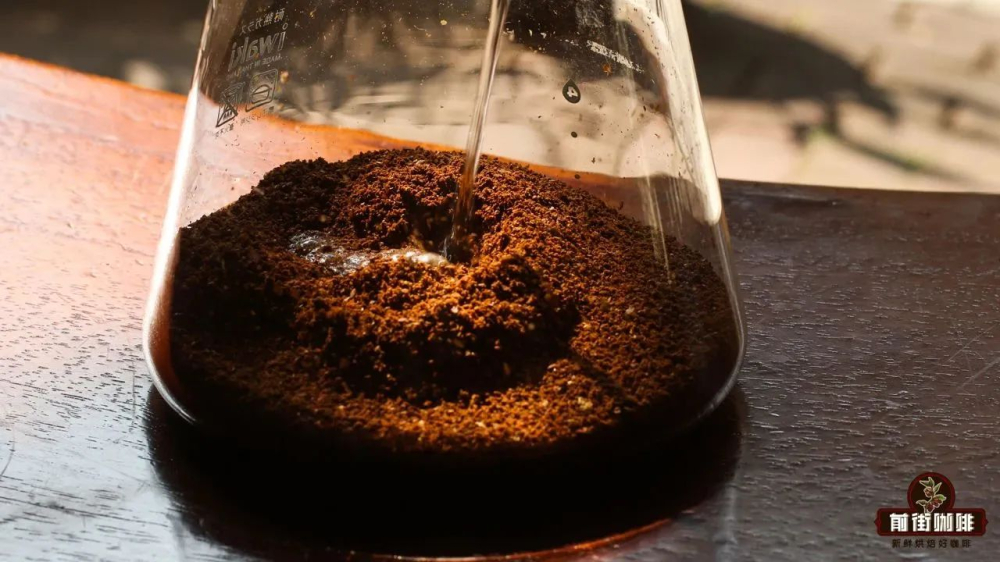
Making cold brew at home is actually not difficult. Below is a set of tested and effective parameters and steps. Using 50 grams of coffee grounds as a baseline, it is recommended to choose a medium-fine grind size with about 85% passing through a standard #20 sieve—slightly finer than your usual pour over grind—to help improve extraction efficiency during the cold brew process. Place the coffee grounds into a clean glass container, then add 400 milliliters of room-temperature water and 200 grams of hard ice cubes, keeping the total liquid volume around 600 grams, which equates to a coffee-to-water ratio of approximately 1:12. Next, use a stirring stick to mix the coffee and water mixture evenly, ensuring all the coffee grounds are fully saturated. Then seal the container and refrigerate.
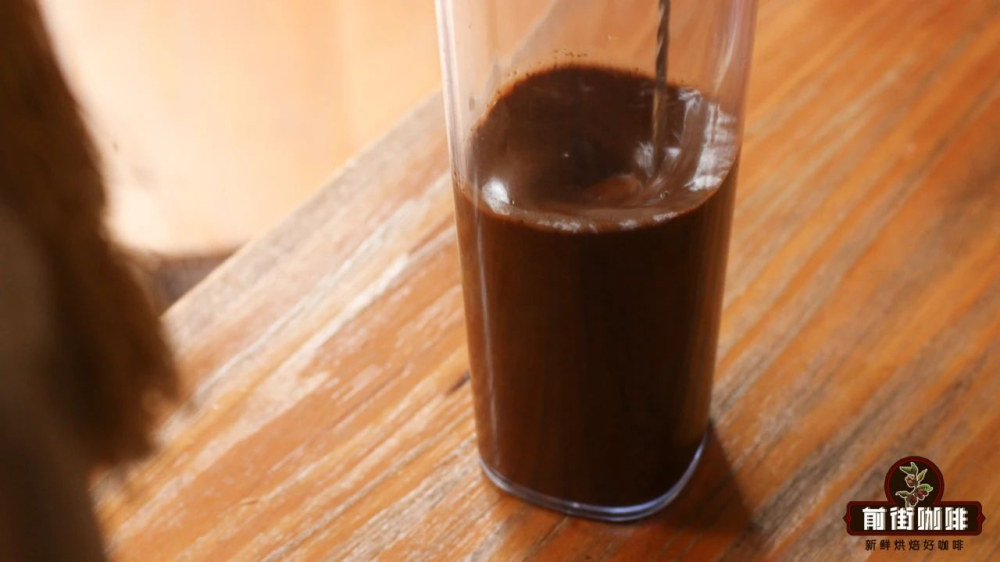
The recommended steeping time is 12 to 24 hours, which can be adjusted according to personal preference. The longer the time, the stronger the flavor, and it may also come with a more noticeable fermentation note. If you prefer a clean, light-bodied flavor, opt for a shorter brewing time; if you prefer a bold, complex coffee liquid, you can extend the time to 24 hours or even longer. After steeping, use filter paper or a professional filter bag to thoroughly filter out the coffee grounds, resulting in a clear cold brew coffee liquid. For optimal flavor, it is recommended to transfer the filtered coffee into a clean, sealed bottle, let it chill in the refrigerator for about 4 hours before drinking, allowing the flavors to meld further.
It’s worth noting that cold brew coffee is not necessarily better the longer it steeps. Different drinkers have vastly varying tolerances for concentration, cleanliness, and fermentation notes. It’s best to adjust flexibly based on your own taste. If you find the brew too strong, adding a few ice cubes can dilute it, both cooling it down and naturally reducing the coffee intensity.
The flavor profile of cold brew coffee is generally richer and slightly oilier compared to that of iced drip coffee, with occasional traces of coffee oils floating on the surface. Therefore, when selecting coffee beans, it is recommended to prioritize medium-to-light roasts, which help highlight the refreshing and clean characteristics unique to cold brew. Below are five specialty coffee beans that have been tested and proven suitable for making cold brew:
1. Ethiopia Yirgacheffe Red Cherry Natural: Produced at the Aletaland Estate in the Yirgacheffe region, grown at altitudes between 1700 and 2200 meters, using local heirloom varieties and natural processing. This bean is known for its rich floral and fruity aromas. After cold brew, it exhibits bright berry notes, honey sweetness, and soft acidity, with distinct layers—perfect for those who enjoy fruity profiles.

2. Kenya Assali: From the Asali washing station in Kenya’s Kiambu region, grown at elevations between 1550 and 1750 meters, using the SL28 and SL34 varieties, meticulously processed with the K72 washed method. This bean, when cold brewed, shows pronounced notes of small tomatoes, honey, and dark plums, with a vibrant and lively acidity, offering a full-bodied and layered mouthfeel.
3. Panama Geisha Blend (Flower Butterfly): Produced in the Boquete region of Panama, this is a blend of Geisha, Caturra, and Catuai, with Geisha making up 70% of the mix. Washed processing gives it clear floral and citrus notes, along with a hint of oolong-like aftertaste. After cold brew, it delivers a refreshing flavor, ideal for those seeking layered and tea-like characteristics.
4. Costa Rica Mozart: From the Canet Estate in Costa Rica’s Tarrazú region, grown at an altitude of 1980 meters, using the H1 variety, with a raisin honey process that adds unique fermented aromas. When cold brewed, it presents intense raisin sweetness and soft white floral notes, with a smooth mouthfeel and long-lasting aftertaste.
5. Honduras Sherry: From the Mocha Estate in Honduras’ Marcala region, grown at altitudes between 1500 and 1700 meters, with varieties including Caturra, Catuai, and Pacas. This bean undergoes low-temperature fermentation in whiskey barrels before roasting, resulting in distinct whiskey aromas and vanilla cream sweetness. After cold brew, it offers a rich, velvety flavor with a silky-smooth mouthfeel—making it a top choice for those who love whiskey notes and bold flavors.
In summary, cold brew coffee, with its low intensity, easy preparation, and versatile flavors, has become a top summer coffee choice. Whether you’re after refreshing fruitiness, bold richness, or unique fermented notes, just choose the right beans and parameters, and you can easily enjoy a personalized cup of cold brew at home. Now it’s time to give it a try and find your perfect match.
The above content is compiled by CoffeeHunters, a coffee news website.


