







Introduction:Gain an in-depth understanding of the characteristics of the world’s ten most renowned specialty coffee-growing regions, from Panama Geisha to Ethiopian Yirgacheffe. Discover each bean’s altitude, processing method, and unique flavor profile. This article also breaks down key pour over black coffee parameters based on practical experience—including coffee-to-water ratio, water temperature, grind size, and the three-step pouring technique—to help you go from beginner to consistently brewing well-balanced, layered coffee flavors.
Want to explore top-rated specialty coffee beans from around the world? This article selects ten premium single-origin coffee beans from different regions, detailing their origin background, growing altitude, processing methods, and flavor profiles. Through real pour over examples, it teaches you how to use the three-step pouring technique to precisely control extraction conditions and bring out the most captivating layers and details of your coffee.
Here is a list of ten specialty coffee beans widely loved by coffee enthusiasts globally. These beans not only feature distinct regional characteristics but have also received high praise in professional cuppings: including Panama Finca Geisha Red Label Gesha, Jamaican Blue Mountain No.1, Indonesian Golden Mandheling, Ethiopian Yirgacheffe Gedi Fu Cooperative, Sidamo Huakui, Kenyan 72-Hour Washed AA, Costa Rica Strawberry Candy, Yunnan Small Bean Coffee, Brazil Fazenda Rainha, and Papua New Guinea Bird of Paradise.
These ten specialty coffee beans are all carefully selected by professional roasters to ensure they maintain optimal freshness from roasting to delivery. To experience the truest flavor expression of the coffee, it is recommended that consumers consume them as soon as possible after purchase and pay attention to the roast date to enjoy the sharpest aromas and tastes.
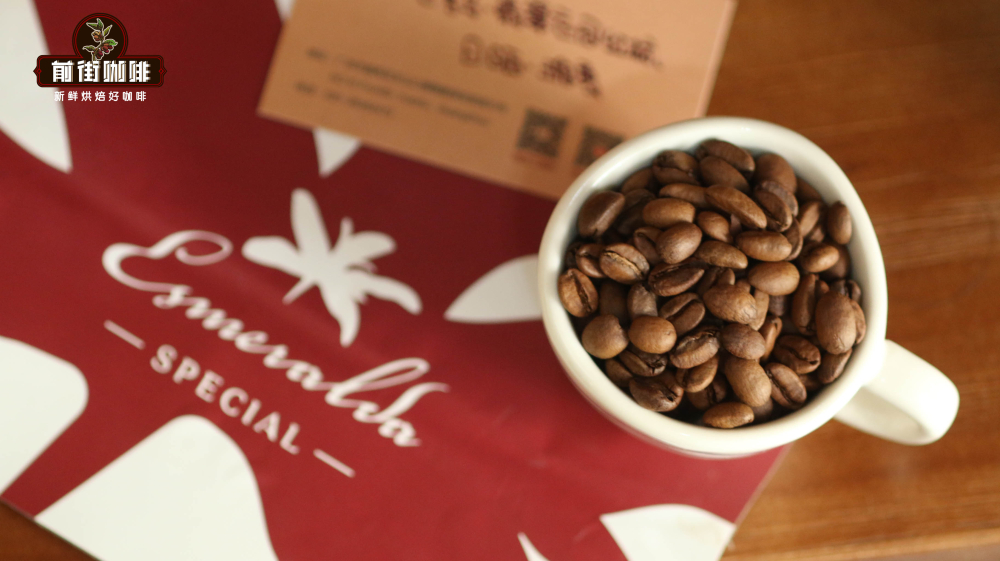
First up is Panama Finca Geisha Red Label Gesha, grown in the Jaramillo Mario plot in the Boquete region at an altitude of up to 1700 meters, using the natural (sun-dried) processing method and the distinctive Gesha variety. This bean is known for its rich fruity profile, with bright citrus acidity followed by rose floral notes and honey sweetness, and a finish that offers the smoothness and lingering taste reminiscent of black tea.
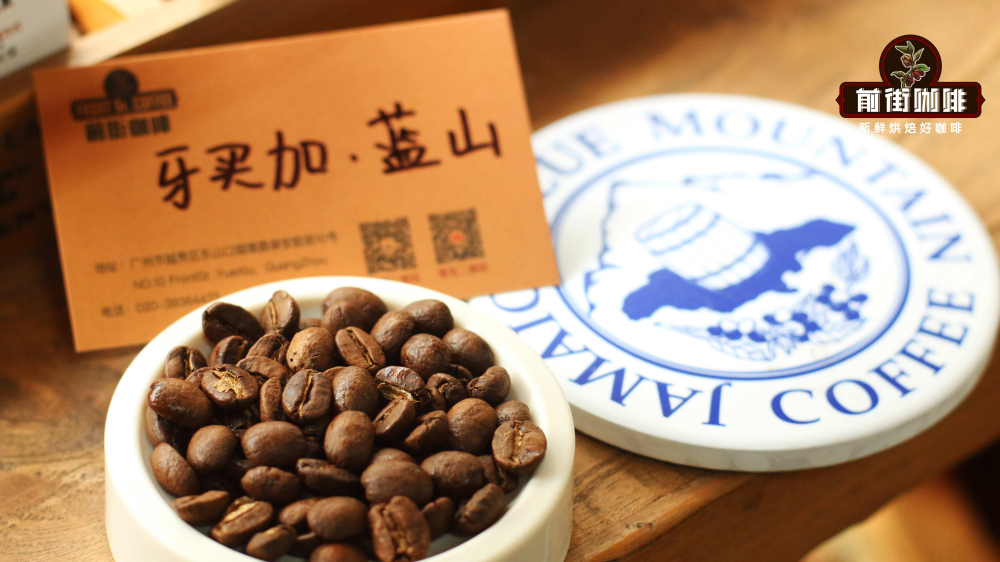
Jamaican Blue Mountain No.1 comes from the Clifton Estate in the Blue Mountains, grown at an altitude of approximately 13,100 feet (about 3,990 meters), of the Typica variety. Processed via the washed method, it presents a balanced profile of acidity and sweetness. This bean is famed for its gentle citrus acidity, rich dark chocolate aroma, and creamy, silky mouthfeel, making it a classic favorite among many coffee connoisseurs.
Indonesia’s PWN Golden Mandheling, sourced from Aceh in Sumatra, uses the Ateng variety, grown at altitudes between 1100 and 1600 meters. It is graded as G1 and has undergone three rounds of hand selection, processed using the wet-hulled (Giling Basah) method. Its flavor profile features strong herbal and spicy notes, complemented by black chocolate, caramel, and nutty aromas—making it an excellent choice for dark roast lovers.
The beans from Ethiopia’s Yirgacheffe Gedi Fu Cooperative are grown at high altitudes of 2000 to 2100 meters and processed using the washed method, showcasing the bright acidity and berry flavors unique to Ethiopian native varieties. The cup reveals bright citrus and berry acidity paired with honey sweetness and green tea-like aftertaste, making it very suitable for those who enjoy fruity flavor profiles.
Next is Ethiopia’s Sidamo Huakui, produced at the Buku Able washing station in the Guji region, grown at altitudes of 2250 to 2350 meters, also using Ethiopian native varieties and the natural (sun-dried) processing method. This bean is known for its intense berry fermentation aromas, featuring strawberry sweetness and jackfruit’s rich fruity notes—it’s a flavor-bursting option that pour over enthusiasts shouldn’t miss.
Kenya 72-Hour Washed AA comes from the Assaria washing station in the Kiambu region, grown at altitudes of 1550 to 1750 meters, with the SL28 and SL34 varieties, using a unique 72-hour washed process. This bean has a flavor base of small tomato, plum, and dark plum acidity, paired with brown sugar-like sweetness, offering clear layers and a long-lasting finish.
Costa Rica Strawberry Candy coffee beans come from the Miramar Estate in the Tarrazú region, grown at 1700 meters, and are famous for the raisin honey (grape dried honey) processing method. This method gives the beans intense strawberry hard candy aromas and fermented grape dried fruit notes, along with rose floral and strawberry acidity—making it a top choice for those who love sweet profiles.
Yunnan Small Bean Coffee is produced in the Baoshan region, grown at altitudes of 1450 to 1550 meters, using the Catimor variety and a whole red fruit natural (sun-dried) processing method. This bean showcases the sweet and acidic traits of red berries, blended with the richness of dark chocolate and the aroma of roasted nuts, with a caramel-like sweetness in the finish. In recent years, it has gradually gained recognition in the international market.
Brazil Fazenda Rainha coffee beans come from the state of Minas Gerais, grown at altitudes of 1400 to 1950 meters, of the Yellow Bourbon variety, using the semi-washed (pulped natural) processing method. This bean features roasted nut aromas as its main profile, paired with the silky texture of peanut butter and the lingering notes of fermented fruit—suitable for consumers who prefer low-acidity and full-bodied flavors.
Lastly, Papua New Guinea Bird of Paradise coffee beans come from the local Bird of Paradise Estate, grown at 1500 meters, of the Typica variety, using the washed processing method. This bean exhibits bright citrus acidity, complemented by the aroma of toasted bread and the clean sweetness of cane sugar, with a finish as refreshing as white tea—it is one of the representatives of Southeast Asian-flavored coffee.
So, how do you use these specialty coffee beans for pour over? Below, we take the Yirgacheffe Gedi Fu Cooperative coffee beans as an example to illustrate the practical techniques of the three-step pouring method. This approach effectively controls extraction time and flavor balance, especially suitable for beginners looking to establish a stable brewing system.
Using 15 grams of coffee grounds as a baseline, the recommended coffee-to-water ratio is 1:15, with a total water volume of 225 milliliters. Divide the pouring into three stages: the first stage pours 30 milliliters for a 30-second bloom, the second stage pours 95 milliliters, and the third stage pours 100 milliliters, with the scale readings being 30 grams, 125 grams, and 225 grams respectively. Using a Hario V60 filter cone helps facilitate gas release from the coffee bed, aiding in the release of aromatic acids.
The water temperature is recommended to be controlled at 92 to 93°C, and the grind size should be medium-fine (with about 78% of particles passing through a Chinese standard No. 20 sieve, similar in fineness to coarse sugar). If ground too coarsely, flavors may not fully develop; if too fine, it can easily lead to over-extraction and bitterness. The coffee-to-water ratio can also be slightly adjusted according to personal taste—choose 1:15 for a stronger cup, or increase it to 1:16 for clearer fruity notes and sweetness.
During operation, fold the filter paper to fit the cone, add the coffee grounds, then reset the scale to zero. The first stage involves pouring 30 milliliters of blooming water in small circular motions from the center outward, starting the timer. After 30 seconds, increase the water flow and steadily pour 95 milliliters, reaching approximately 125 grams at around 55 seconds. When the liquid level drops halfway, pour another 100 milliliters in small circles, totaling 225 milliliters, with the entire extraction time being about 2 minutes. Finally, gently shake the server to evenly distribute the coffee liquid before enjoying.
Remember, pour over coffee is an art that combines science and experience. Only by understanding the impact of each parameter can you gradually craft your own perfect extraction method.
The above content is compiled by CoffeeHunters, a coffee news website.


