







Introduction:When choosing coffee during a weight loss period, which is more suitable—common options like lattes or Americanos? This article provides an in-depth analysis of the calorie differences between lattes and Americanos, reveals the metabolic-boosting and fat-reduction advantages of black coffee, and details the brewing techniques for Americanos, including the optimal ratios, grind sizes, and extraction parameters for both hot and iced versions. Additionally, it offers a professional-level tasting guide to help readers enjoy a high-quality coffee experience while controlling calorie intake.
Caffeine can enhance metabolic rate, stimulate the central nervous system, and promote gastrointestinal motility, making it a popular choice among those looking to lose weight. However, not all types of coffee are beneficial for weight loss. This article will focus on the differences between lattes and Americanos, explain why black coffee has more advantages for fat reduction, and delve into practical information such as bean selection, brewing techniques, and flavor customization for Americanos.
Firstly, black coffee stands out in fat-loss diets mainly because it contains almost no extra calories and can accelerate the body’s fat-burning process. In contrast, even sugar-free lattes contain a significant number of calories due to the added milk, especially since the fat in milk can weaken the metabolic-boosting effects of the coffee itself. As a result, many fitness enthusiasts choose to drink a pure Americano before training to improve exercise performance and fat oxidation efficiency.
As for how to make an Americano, the process is actually quite simple. All you need is an espresso machine to brew a shot of espresso at home, then add hot water in proportion to complete the drink. However, to brew a flavorful Americano, selecting the right coffee beans is key.
Common coffee drinks such as lattes and Americanos are mostly based on espresso. In other words, the extraction quality of the espresso directly affects the final flavor of the beverage. There are many variables that influence espresso extraction, but the most crucial factor is the type of coffee beans used. The bean variety, roast level, and blend composition all greatly impact the aroma and taste of an Americano.
In practice, many coffee shops, including professional roasting brands, typically use specific blends in certain proportions to maintain consistent flavor profiles. Blends combine beans from different regions, balancing acidity, sweetness, body, and aroma. In contrast, single-origin beans, while highlighting the unique characteristics of a specific region, are harder to maintain consistency across batches, making them less common for daily drinks like Americanos that require stable performance.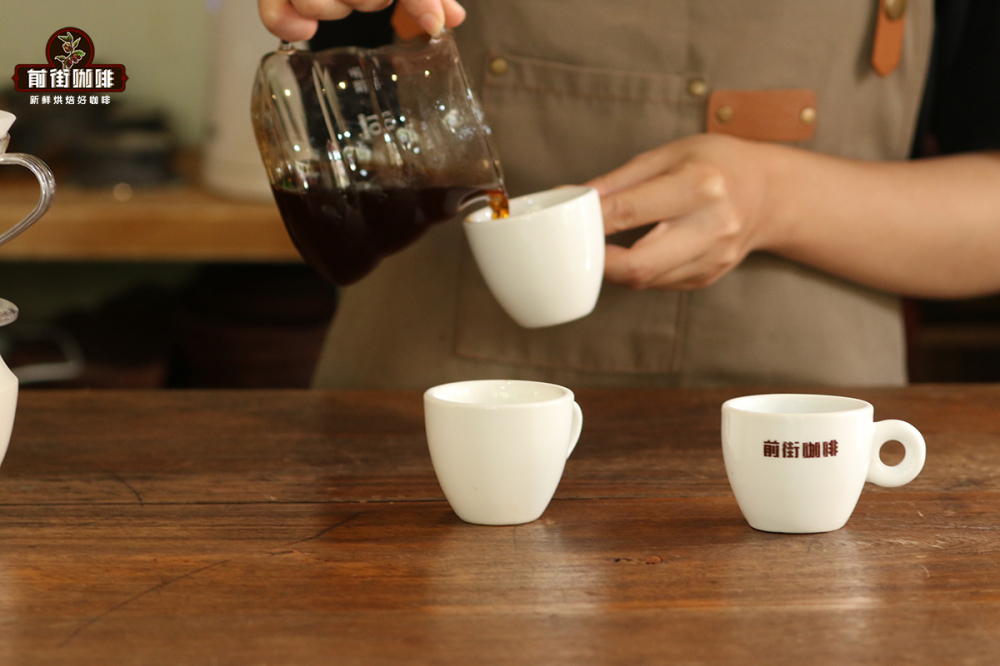
For example, some blends may use beans from Central and South America—such as Brazil or Colombia—paired with Asian beans like Vietnam or Indonesia, and may even include a small amount of Robusta to enhance intensity and crema performance. These blend ratios are tested repeatedly to deliver diverse flavor layers, from bright fruity acidity to chocolatey and caramel notes, catering to various consumer preferences.
When making Americanos at home or in a café, it’s recommended to adjust the extraction and brewing ratios according to the characteristics of the beans used. Below are two common methods for brewing Americanos: hot Americanos and iced Americanos, along with their specific parameters and blending suggestions.
The standard brewing parameters for a hot Americano are as follows: use a medium-fine grind with a grind size of about 1.6, control the extraction pressure at 9 bar ± 2, maintain the water temperature between 90.5–96°C, aim for a total extraction time of 20–30 seconds, and use a coffee dose of 20 grams (i.e., a double shot), extracting about 40 ml of espresso. These extraction conditions help fully release the coffee’s aroma and flavor compounds.
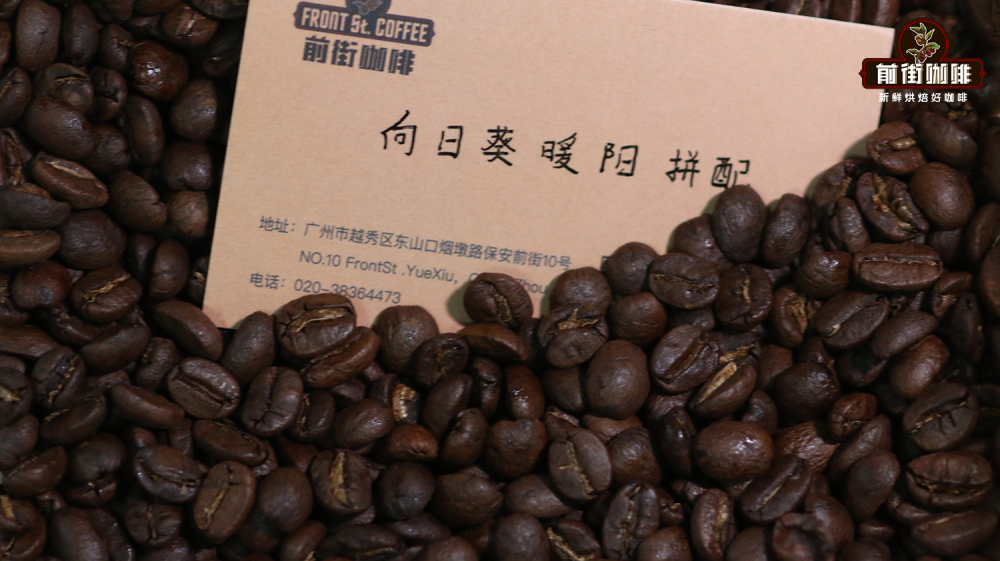
In terms of ratio blending, it’s generally recommended to use a coffee-to-water ratio of 1:4 to 1:5 for hot Americanos, balancing the strong flavor of the espresso with the dilution from water. For instance, when using the Sunflower Warm Sun blend, multiple trials found that a 1:4.5 ratio best showcases its wine-like and cocoa aftertaste, while maintaining appropriate body and layered complexity.
As for iced Americanos, the method involves pulling a double shot of espresso and then directly adding ice water or cold water at a 1:7 ratio, stirring evenly. This approach rapidly lowers the temperature while preserving the coffee’s original aroma. Especially when paired with blends that have chocolatey and wine-like characteristics, iced Americanos can deliver a crisper, smoother mouthfeel, with aftertastes featuring distinct cocoa and spice notes.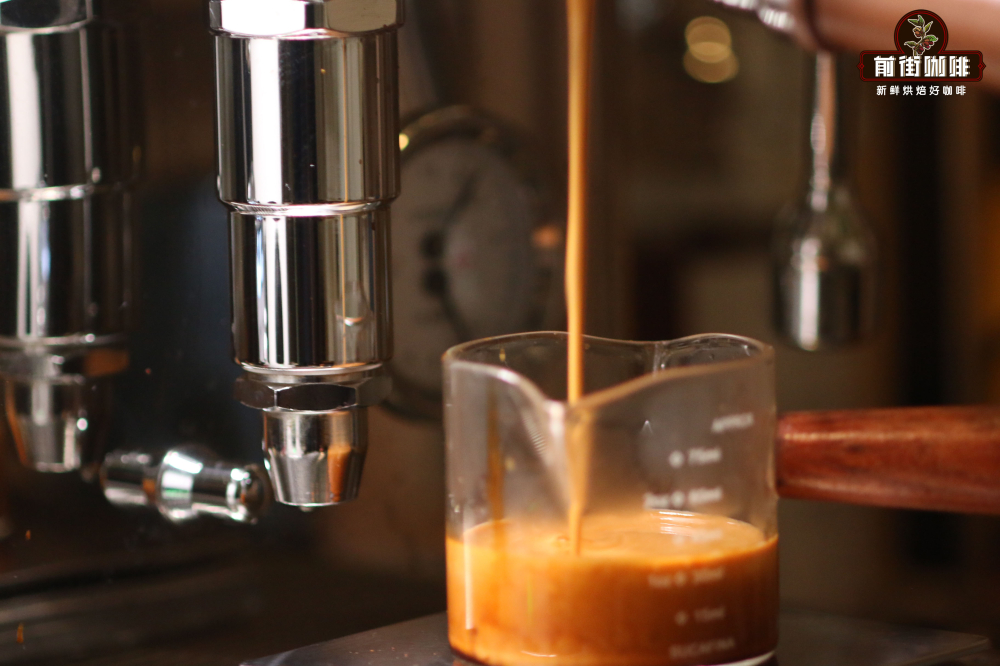
Finally, tasting a cup of coffee is similar to tasting tea or wine, involving a certain process and focus points. It’s recommended to start by smelling the coffee, experiencing its dry and wet aromas; then observe the coffee’s color, which should ideally be deep brown and clear without cloudiness; and finally, move to the tasting stage. Sip a small amount of black coffee and pay attention to the balance of acidity, sweetness, bitterness, and body. If using a blend with pronounced fruity acidity and chocolatey, wine-like notes, you should be able to enjoy a richly layered finish and lingering aftertaste.
By understanding these basic principles and practical techniques, you can choose a more body-friendly coffee even during a weight loss period, while still enjoying the pleasure of professional-level brewing and tasting.
The above content is compiled by CoffeeHunters, a coffee news website.


