








Introduction:As an iconic specialty coffee region in Ethiopia, Yirgacheffe is distinguished by its two primary processing methods—washed and natural—which create vastly different flavor profiles. This article delves into the core differences between these two techniques, exploring everything from bright acidity to rich sweetness, guiding you through the citrusy floral notes of washed Yirgacheffe and the tropical fruity fermentation tones of the natural variety. It also includes practical pour over parameters and flavor profiles of representative beans to help you choose the most suitable brewing method based on your taste preferences.
Among Ethiopia’s many coffee-growing regions, Yirgacheffe stands out as a top choice for global specialty coffee enthusiasts seeking to explore flavor diversity, thanks to its unique washed and natural processing methods. The washed process imparts a clean, vibrant citrus acidity and delicate white floral notes, while the natural method highlights intense tropical fruit sweetness and complex fermentation layers. This article will provide a detailed analysis of the characteristics and flavor differences of both processing methods, using specific bean examples and pour over extraction parameters to assist both beginners and advanced coffee drinkers in making selections based on personal preference.
As the genetic birthplace of coffee, Ethiopia’s high-altitude plateau environment—with its significant day-night temperature variation—provides nearly ideal conditions for coffee tree growth. The region’s diverse microclimates and soil types mean that even within the same area, coffee flavors can vary markedly depending on the processing method. The three renowned regions of Yirgacheffe, Sidamo, and Guji are typical embodiments of this diversity. Among them, Yirgacheffe has long been regarded as the face of Ethiopian coffee due to its distinctive floral and fruity characteristics.
In Ethiopia’s traditional coffee processing model, farmers typically deliver harvested coffee cherries to town processing stations, which are then sold under the name of the processing factory or cooperative. The Banko Gotiti cooperative is one such model. Located in a small village in the Gedeo region, it was originally part of the Worka cooperative under the Yirgacheffe Coffee Farmers Cooperative Union (YCFCU). With advancements in washed processing technology, Banko Gotiti became independent in 2012 and has since become known for its consistently high-quality washed beans.
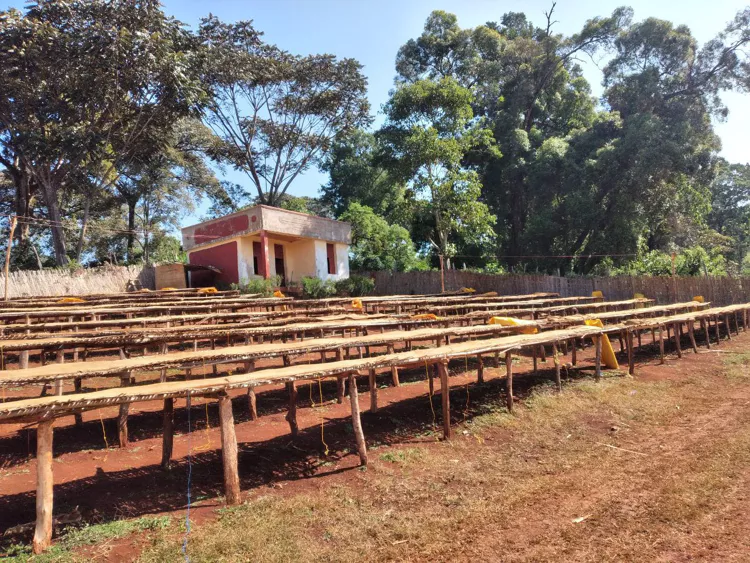
The key to the washed processing method lies in the rigorous fermentation and washing steps that remove the fruit pulp and mucilage from the coffee cherry, leaving only the coffee seed. The processing procedure at Banko Gotiti cooperative includes selecting coffee cherries, fermenting to remove mucilage, and drying on raised beds—each step requiring precise control to ensure the purity of the final coffee flavor. This method significantly reduces the risk of earthy or over-fermented notes. The roasted beans exhibit a bright citrus acidity and elegant white floral notes, with a clear and layered flavor profile. This distinctiveness is one reason why Yirgacheffe has emerged from the Sidamo region as a renowned and independent coffee origin.
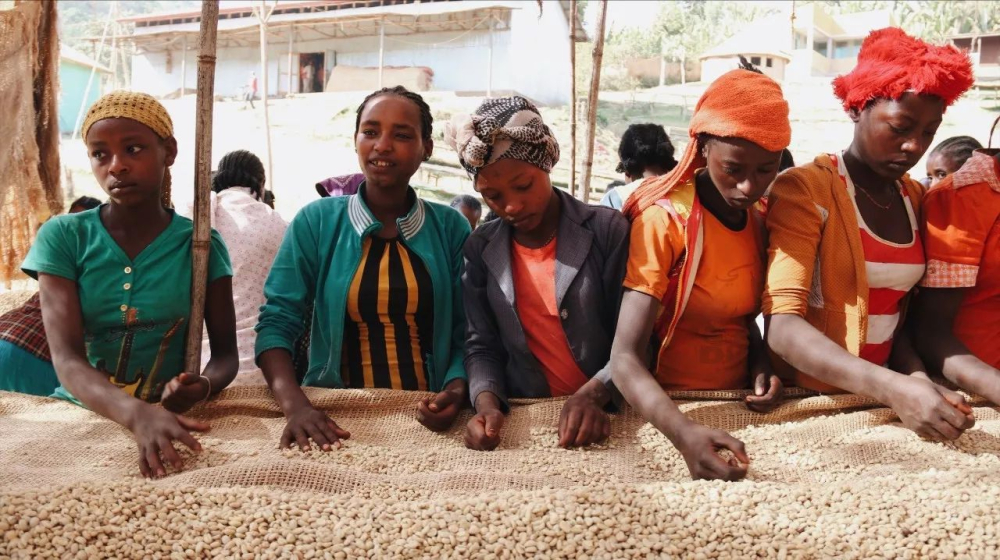
In contrast, the natural processing method retains the fruit pulp and sugars of the coffee cherry. During prolonged sun exposure, the sweetness and aroma from the pulp gradually penetrate the coffee seed. Ethiopia’s high altitude and long sunshine hours provide ideal conditions for natural processing. This method not only enhances the coffee’s sweetness and fermentation complexity but can also bring out vivid flavors of tropical fruits such as blueberries and mangoes. For example, a certain espresso blend incorporates 30% natural Yirgacheffe red cherry beans, adding a berry-like sweet-tart note to the overall flavor.
The Red Cherry Project originated in 2007, led by Dutch coffee trader Trabocca BV, with the aim of elevating coffee quality in Ethiopia’s high-altitude regions. Focusing on core areas like Yirgacheffe, the project strengthened processing technique training and introduced professional cupping teams, requiring that only 100% ripe red coffee cherries be harvested. Through refined processing workflows and strict quality control, natural Yirgacheffe beans are able to showcase richer flavor potential, while also boosting farmer income and production enthusiasm.
The coffee flavors of Yirgacheffe are characterized by bright acidity and delicate floral notes. To fully present these traits, a medium-light roast is generally recommended. In cupping, washed Banko Gotiti beans exhibit fresh aromas of passionfruit, citrus, and berries. Upon tasting, the bright citrus acidity is complemented by berry sweetness and a tea-like finish, with a light body and a honeyed aftertaste. Meanwhile, natural Red Cherry beans offer intense berry-like tart-sweet dry aromas. As the cup cools, layers of berry and ripe fruit fermentation emerge alongside a soft black tea-like finish, delivering a smooth mouthfeel and rich sweetness.
For coffee lovers wishing to brew Yirgacheffe at home, it is recommended to use a V60 filter cone, with water temperature controlled at 92–93°C and a powder-to-water ratio set at 1:15. The grind size should be about that of fine sugar (sieve to 78% through a #20 sieve). Specifically, a three-stage pouring method is advised: start with a 30-second bloom using twice the coffee dose in water, then pour in a small, circular motion from the center outward until reaching 125g, pause until the coffee bed drops halfway, then continue pouring to 225g to complete extraction. The whole process takes about 2 minutes. These parameters effectively balance acidity and sweetness, showcasing Yirgacheffe’s unique flavor profile.
Taking a washed Yirgacheffe everyday-drinking bean as an example, the dry aroma after pour over reveals delicate notes of honey and jasmine, gradually releasing berry flavors as hot water is added. The first sip presents bright lemon and citrus acidity paired with a green tea-like freshness. As the temperature drops, the aftertaste transitions into sweet notes of berries, cream, and sugarcane, resulting in a clean, refreshing cup with a pronounced finish. Such beans are not only suitable for pour over but also work well with cold brew, French press, and other brewing methods, making them an ideal entry point for exploring Yirgacheffe flavors.
The above content is compiled by CoffeeHunters, a coffee news website.


