








Introduction:Want to explore the diverse flavors of Ethiopian coffee? This article delves into four renowned regions—Yirgacheffe, Guji, and more—and analyzes popular bean varieties such as GuDingDing Cooperative, HuaKui, Red Cherry, and Washed Yirgacheffe. From altitude and processing methods to actual flavor profiles, it provides detailed parameters and pour over recommendations to help you find the specialty coffee beans that best suit your taste.
Ethiopia is not only the birthplace of coffee but also a major supplier of global specialty coffee. Its coffee-growing environments are highly diverse, mainly divided into four models: forest, semi-forest, garden, and plantation, with over 90% of the coffee coming from the first three natural ecosystems. This unique farming background often gives Ethiopian beans distinct fruity acidity, complex layers, and captivating floral notes, making them especially suitable for pour over brewing.
The following focuses on four highly representative Ethiopian coffee regions and conducts in-depth analysis of several popular coffee beans, including GuDingDing Cooperative, HuaKui, Red Cherry, and Washed Yirgacheffe, helping you understand their regional characteristics, processing methods, and flavor profiles, thereby enhancing your tasting and selection skills.

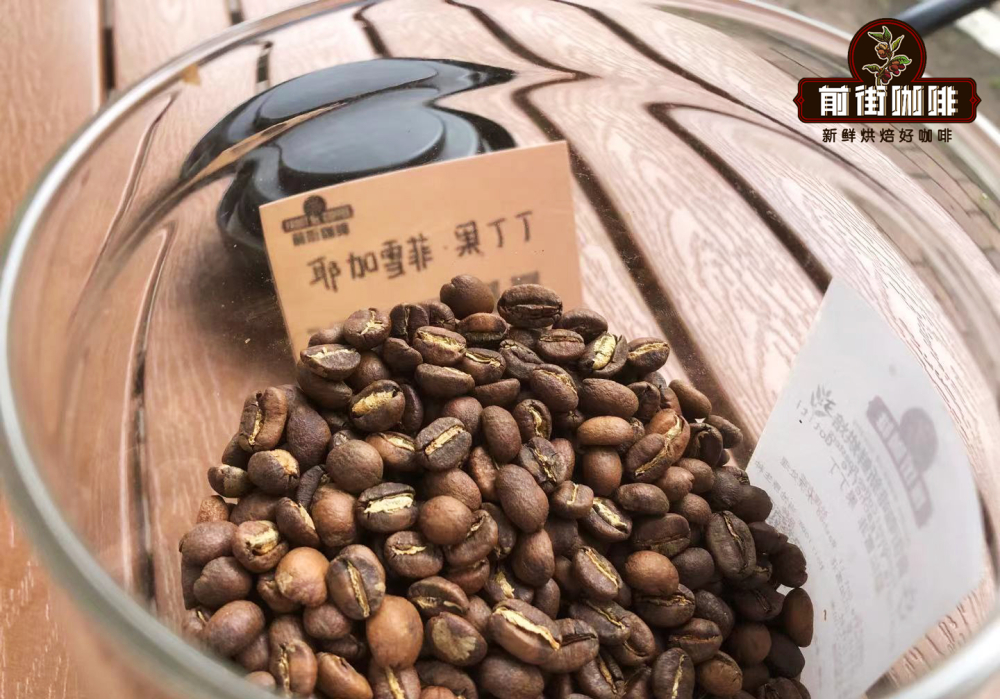
First up is the GuDingDing Cooperative coffee beans from the Yirgacheffe region. These beans are grown at an altitude of about 1900 to 2000 meters and processed using the traditional washed method, with the local Heirloom variety. This coffee is renowned for its delicate jasmine and citrus notes, along with noticeable berry acidity and a soft tea-like body, making it perfect for coffee lovers who enjoy fresh and bright flavors. For pour over, it’s recommended to use a medium-light roast with water temperature controlled between 90–92°C to highlight its fruit acidity and aromatic layers.
Next is the HuaKui coffee beans from Hambela in the Guji region. These beans are cultivated at an altitude of 2250 to 2350 meters in a high-elevation area, belong to the local native variety, and are meticulously processed using the natural (sun-dried) method. The most outstanding feature of HuaKui coffee is its rich aroma of passion fruit, guava, and strawberry—tropical fruits—along with a soft black tea base note. The flavor is full-bodied and layered. For those who prefer intense fruitiness and sweetness, this bean is definitely worth trying. For pour over, a medium roast is suggested, with water temperature around 88–90°C to balance its sweetness and acidity.
The Red Cherry coffee beans come from the Aletaran washing station in the Yirgacheffe region. Grown at an altitude of 2300 meters, they also use the Ethiopian native variety and are processed via the natural (sun-dried) method. The standout qualities of this coffee are its intense citrus and berry aromas, accompanied by unique fruity fermentation notes and honey-like sweetness. Upon tasting, it offers a creamy-smooth mouthfeel, with an overall rounded and layered performance. For those looking to experience the rich fruitiness and full body of Ethiopian beans, Red Cherry is an unmissable choice. For pour over, a medium-dark roast is recommended, with water temperature around 89–91°C, and a slightly coarser grind to extend extraction time.
Finally, we introduce the classic Washed Yirgacheffe. This coffee is also produced in Ethiopia’s Yirgacheffe region, grown at an altitude of about 2300 meters, using the native variety and the washed processing method. Its flavor profile is clear, highlighted by refreshing citrus and lemon acidity, complemented by subtle berry notes and a distinct tea-like body. Overall, it delivers a clean yet deep taste, making it a top choice for many coffee beginners exploring Ethiopian beans. For pour over, a medium-light roast is advised, with water temperature around 90°C and a fine grind, which better showcases its tea notes and citrus character.
In summary, what makes Ethiopian specialty coffee so captivating lies not only in its exceptional natural conditions but also in the diversity of processing techniques and the genetics of native varieties. Whether you prefer bright fruit acidity, rich fruit aroma, or full-bodied sweetness, you can find your favorite among the representative beans from these four regions. By understanding each bean’s altitude, variety, processing method, and flavor traits, you’ll be able to select and brew with greater accuracy, unlocking an amazing coffee experience.
The above content is compiled by CoffeeHunters, a coffee news website.


