







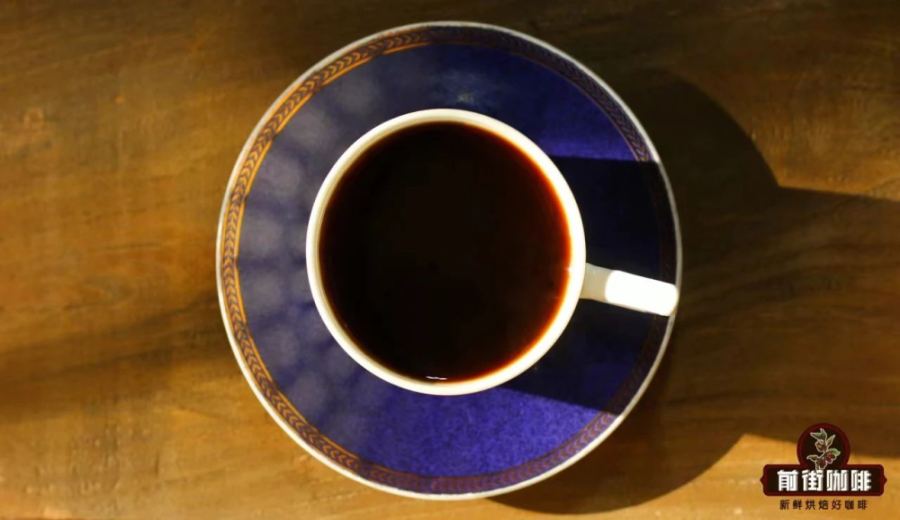
Introduction:Mandheling coffee is renowned for its bold and rich flavor, but many first-time tasters often wonder: why do some detect acidity in it? This article starts with the origin of the name "Mandheling," delves into the story behind the PWN company associated with Golden Mandheling, introduces the characteristics of the mainstream Ateng (Catimor) variety, explains in detail Indonesia’s unique wet-hulling processing method, explores the relationship between roast levels and acidity, and finally provides Kono filter cup step-brewing parameters to help you fully grasp the traits of this classic dark-roast bean.
When many people order their first pour-over coffee at a café, they often ask the barista: “Please give me one that’s not acidic.” In response, the barista usually hands them a cup of Mandheling. But does Mandheling really represent a completely non-acidic, purely bold coffee? In fact, from its initial herbal aroma to the subtle sweetness in the aftertaste, and even the faint acidity some people perceive, Mandheling actually offers a diverse range of flavors. This article not only deciphers the interesting origin of the name “Mandheling,” but also takes you through the deep connection between “Golden Mandheling” and the PWN company, details the botanical background of the commonly used Ateng variety (i.e., Catimor), and explores in depth Indonesia’s distinctive wet-hulling processing technique, while analyzing how roast levels affect acidity. The article concludes with practical Kono filter cup step-brewing parameters to help you gain a deeper understanding of this uniquely flavored dark-roast classic.
Talking about Mandheling, we have to start with a wartime misunderstanding. Originally, this coffee was not called “Mandheling,” but “Mandailing,” which is actually the name of an ethnic group in Sumatra, Indonesia. During World War II, a Japanese soldier tasted a rich and bold cup of coffee at a local café and curiously asked the shop owner what kind of coffee it was. The owner, however, misunderstood the question as being about where he was from, and replied: “Mandailing.” After the war, the soldier recalled that cup of coffee and, through a friend, contacted a local coffee merchant to import 15 tons of beans. However, in the retelling, “Mandailing” was mistakenly referred to as “Mandehling.” Due to this double misunderstanding, the name “Mandheling” that we are familiar with today came into being, and it later spread widely through the Japanese market. Interestingly, the coffee merchant involved back then was none other than the now-renowned Indonesian PWN company.
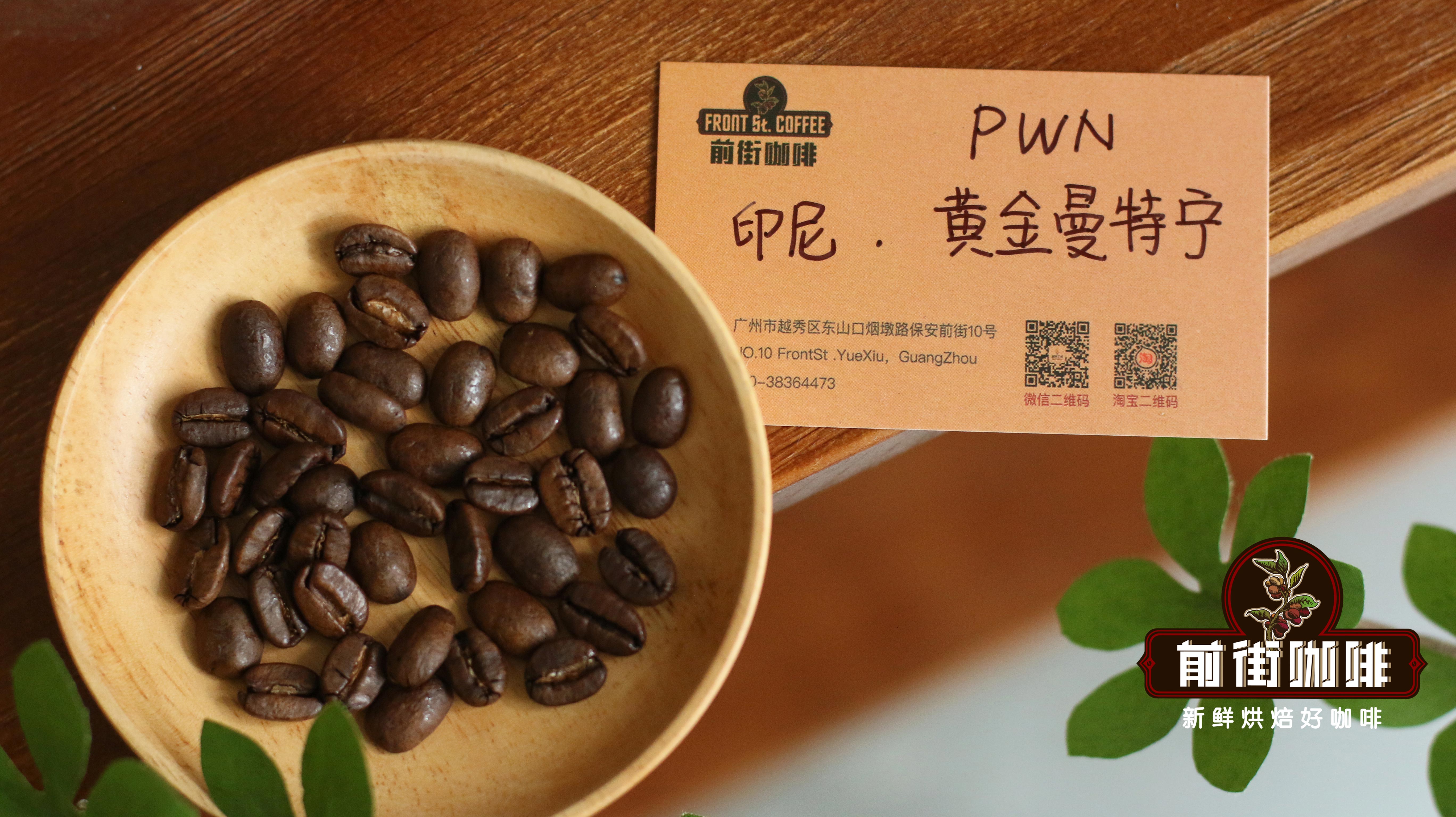
PWN, short for Pwani Coffee Company or Pwani Coffee in full, is one of Indonesia’s leading coffee buyers, long specializing in the procurement of Mandheling beans and sourcing almost all of the highest-quality green beans from Indonesia’s top-producing regions. PWN has strict selection criteria for the beans it purchases, employing multiple rounds of manual sorting to choose only plump, flawless beans—those meeting the standards are classified as “Golden Mandheling.” It’s worth noting that PWN later registered “Golden Mandheling” as a trademark, meaning that only the officially certified Golden Mandheling labeled as produced by PWN is the authentic version. Currently, these beans mainly come from the Aceh region of Sumatra, particularly around the Gayo mountains.
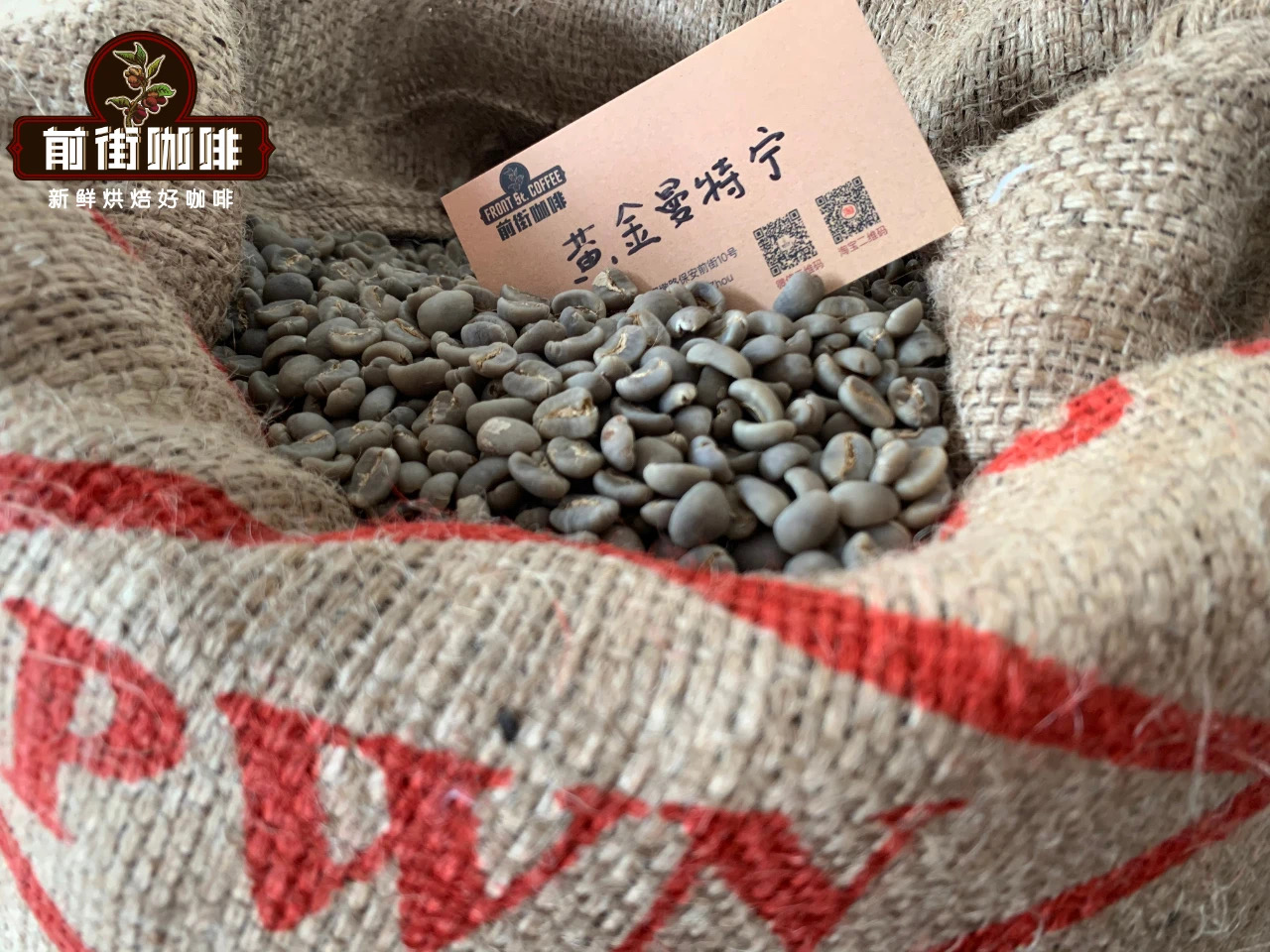
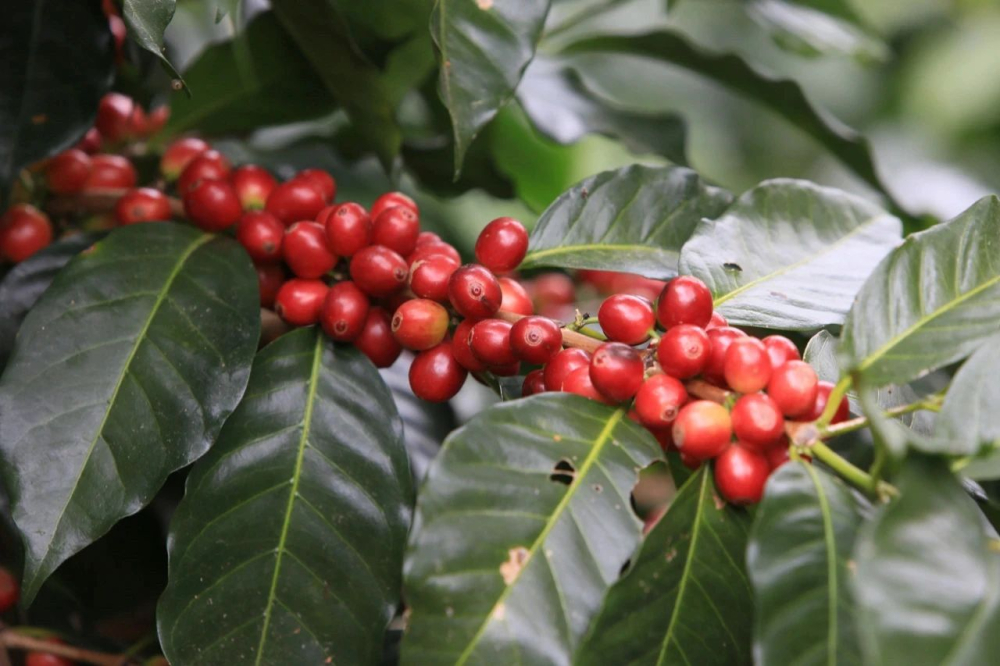
When it comes to the varieties commonly used in Mandheling, Ateng (i.e., Catimor) has been the dominant one in recent years. However, Ateng is not the pure Arabica we’re familiar with, but rather a hybrid resulting from crossing Timor (a Robusta variety) with Caturra (a Bourbon variety mutation). This variety was first successfully developed in 1959 and gained rapid popularity in Central and South America during the 1970s and 80s, mainly due to its strong disease resistance and high yield—especially favored in regions frequently affected by leaf rust. Ateng plants are relatively short, suitable for dense planting, with new leaves often appearing reddish-brown, growing quickly and being easy to manage. However, because of its short maturation period and high yield, it demands higher levels of fertilizer and shade, and typically has a lifespan of only about ten years, requiring regular replanting.
When mentioning Indonesian Mandheling, many people immediately think of its intense cocoa, herbal, and even earthy flavors. These unique characteristics are inseparable from the “wet-hulling” processing method employed. Wet-hulling is an efficient processing approach developed by Indonesian coffee farmers to cope with the rainy climate and limited sunlight. The overall process is roughly as follows:
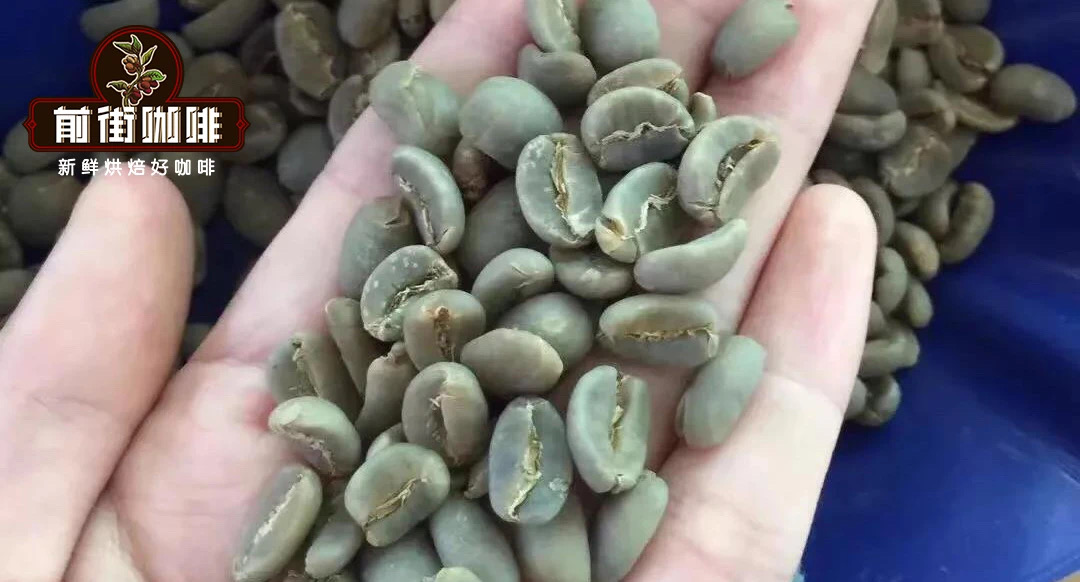
First, the outer skin of the harvested coffee cherries is removed, and the parchment-covered beans undergo floatation to remove defective beans with insufficient density. Next, the denser parchment beans that sink are lightly washed and then placed in buckets or plastic bags for a short dry fermentation, using the sugars in the mucilage to enhance flavor through fermentation. The length of fermentation time affects the intensity of acidity, ranging from a few hours to 36 hours. Some farms even skip this step and go directly to sun drying to suppress acidity and enhance body. After fermentation, the parchment beans are sun-dried for one to two days until their moisture content drops to 30%–50%, at which point the beans remain semi-hard. Then, a hulling machine is used to remove the parchment layer, followed by continued drying until the moisture content reaches about 12%–13%. Finally, the processed beans are packed into sacks and sent to processing facilities for hulling and grading. The entire process typically takes about four days.
The key to wet-hulling lies in the early removal of the parchment layer, exposing the seed directly to air and accelerating the drying process. However, this also increases the risk of mold and other issues, resulting in a relatively higher defect rate compared to washed or sun-dried methods. This is precisely why Mandheling often carries distinctive flavors such as grass jelly, herbs, and even earthiness, which become an inseparable part of its flavor profile.
Many people wonder: isn’t Mandheling supposed to be bitter-sweet, bold, and non-acidic? So why is there sometimes a hint of acidity? In reality, in terms of the beans themselves, Mandheling actually has considerable potential for acidity. During the roasting process, the expression of acidity changes with the roast level: it is more pronounced at medium-light roasts, becomes softer at medium roasts, and further diminishes at medium-dark roasts, shifting toward rich sweetness and spicy notes. Practical tests show that the same batch of Golden Mandheling roasted to light, medium, and dark levels all performs excellently in terms of flavor, though dark roasting better suppresses acidity and highlights boldness with a balanced bitterness and sweetness.
In the past, Mandheling was mostly dark-roasted. One reason was that the processing method and variety complexity led to a higher defect rate, and dark roasting helped mask flaws; another was related to the taste preferences of the Japanese market. As a result, dark roasting remains the mainstream style for Mandheling to this day. However, acidity is inherently an important component of coffee flavor, and preserving it appropriately can add layers and vibrancy—the key lies in choosing the right roast and brewing methods.
If you wish to brew a Mandheling that highlights its unique flavors, here are some practical reference parameters: use freshly roasted (ideally within 5 days post-roast) green beans with moderate moisture content, and opt for a medium-dark roast to enhance body and reduce excessive acidity. Taking the Kono filter cup as an example, it is recommended to use 15 grams of coffee, with water at 88°C, a 1:15 coffee-to-water ratio, and a medium-fine grind (such as EK43s setting at 11). The Kono filter cup, with its ribs concentrated at the bottom and a high degree of filter paper adhesion, prolongs the contact time between water and coffee grounds, aiding in thorough extraction and enhancing body and flavor consistency.
For specific brewing steps, it is suggested to start with a 30-second bloom using 30 grams of water, followed by pouring in a small circular motion until reaching 125 grams for the first pour. When the water level drops and is about to expose the coffee bed, continue pouring to 225 grams, then stop and wait until the water level drops again near the bottom before removing the filter cup. The total brew time should be controlled to around 2 minutes. This method can steadily extract Mandheling’s core notes of nuts, chocolate, spices, and caramel, while retaining a moderate fruity finish and aftertaste.
In summary, Mandheling is not just a “non-acidic dark roast bean.” Behind it lies a history of misunderstandings, varietal evolution, unique processing techniques, and roasting philosophies. Whether you’re trying it for the first time or are a seasoned enthusiast, gaining a deeper understanding of these aspects will allow you to more accurately appreciate and brew your own ideal cup of Mandheling.
The above content is compiled by CoffeeHunters, a coffee news website.


