








Introduction:Have you ever hesitated in front of a coffee shop menu, unsure about the differences between a latte, cappuccino, and mocha? These classic Italian-style coffees all use espresso as their base, but achieve unique textures and flavor profiles through variations in the proportions of milk, foam, and other ingredients. This article will delve into the recipe structures, ingredient ratios, and flavor characteristics of three classic espresso-based drinks, along with practical extraction and brewing details to help you master the essence of each and make more informed choices.
Walking into a coffee shop, the array of options on the menu can often be overwhelming. Familiar names like latte, cappuccino, and mocha may all be based on espresso, yet they deliver distinctly different flavor experiences depending on the ratio of milk, foam, water, or chocolate added. Understanding the composition and proportions of these classic Italian coffees can give you a clearer idea of your preferred taste profile and help guide your order more confidently.
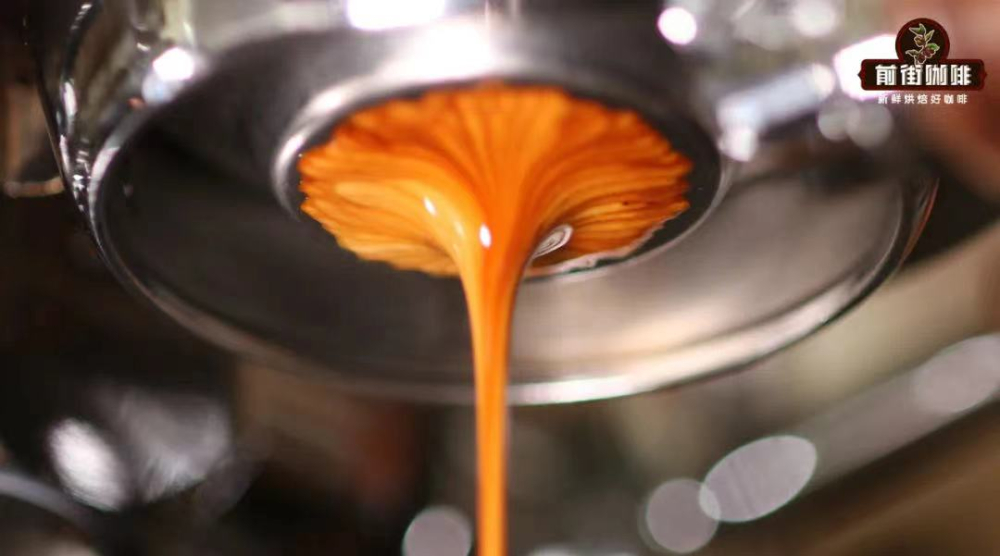
To brew a high-quality espresso, a machine with pressure capability is essential. Typically, baristas use freshly roasted blends or single-origin beans, grinding them to an extremely fine consistency. The ground coffee is then dosed into the portafilter basket, evenly distributed, and tamped to the proper pressure before being locked into the machine’s group head. Next, hot water at around 94°C is forced through the coffee grounds under high pressure—typically 9–10 bar—to extract a rich shot of espresso using the common coffee-to-water ratio of 1:2. This highly concentrated extraction ensures that even when milk, water, or other ingredients are added afterward, the distinct flavors of the coffee remain prominent.

The diversity of espresso-based drinks stems from adding different proportions of ingredients to the base espresso. Lattes, cappuccinos, and mochas are among the most representative examples—all originating from espresso—but they present vastly different tastes and visual presentations due to varying ratios of milk, foam, and other elements.
Among them, the latte (Caffe Latte) is one of the most popular milk-based espresso drinks. Its name in Italian means “coffee with milk,” but ordering just a “Latte” in Italy might simply get you a glass of milk. A traditional latte consists of roughly one-fifth espresso, two-fifths steamed milk, and two-fifths milk foam. The similar proportions of milk and foam result in a smoother overall texture, with a well-balanced harmony between milk aroma and coffee flavor. It’s generally recommended to use a double shot of espresso, paired with about 250 milliliters of finely textured hot or iced milk. At this ratio, the latte retains the fundamental structure of coffee while offering the silkiness and warmth of milk.
In contrast, the cappuccino has a higher proportion of espresso. It is composed of one-third espresso, one-third steamed milk, and one-third thick, velvety milk foam. With a higher foam ratio, the cappuccino has a fluffier texture and allows the core flavors of the coffee to stand out more prominently. Traditionally, cappuccinos can also be dusted with a bit of cocoa powder or cinnamon to add aromatic complexity. When making one, it’s advised to use a double shot of espresso along with about 180 milliliters of milk that has a good amount of foam, so that the drink offers a layered mouthfeel of coffee, milk, and foam upon the first sip.
Meanwhile, the mocha stands out as a uniquely chocolate-flavored member of the espresso family. Its name originates from the port of Mocha in Yemen, which once exported coffee beans with chocolate-like notes. Later, Europeans sought to recreate this flavor in milk coffee by adding chocolate syrup or cocoa powder, eventually evolving into today’s mocha. A standard mocha typically uses a double shot of espresso, combined with an appropriate amount of chocolate syrup or cocoa powder, and around 250 milliliters of smoothly steamed hot or iced milk. This beverage offers both the richness of coffee and the sweetness of chocolate, making it a top choice for those who enjoy a sweeter coffee profile.
It’s also worth mentioning that although not the focus of this article, the Americano has historical ties to espresso. Legend has it that during World War II, American soldiers stationed in Italy found the strong flavor of espresso too intense, so they diluted it with plenty of hot water. Italians jokingly called this drink an “Americano,” meaning “American.” Today, the Americano has become a globally popular coffee format, usually consisting of one or two shots of espresso mixed with 150 to 200 milliliters of hot or iced water to adjust the strength.
While exploring these classic espresso-based drinks, don’t overlook the finer details of espresso extraction itself. Elements such as coffee dose, yield, and brew time all influence the final flavor. For instance, a single shot of espresso often uses 10–11 grams of coffee grounds to produce 20–25 grams of liquid, taking about 22 seconds; a double shot typically uses 19–20 grams of grounds to yield 35–40 grams of liquid, with a brew time controlled around 29 seconds. These baseline parameters help both baristas and home brewers maintain consistent and stable coffee flavors.
In summary, lattes, cappuccinos, and mochas are more than just menu items—they represent a deep understanding within Italian coffee culture regarding the balance of proportions, textures, and layers of flavor. By grasping their recipes and characteristics, whether you’re ordering at a café or trying to recreate them at home, you’ll feel more confident navigating the world of espresso-based drinks and discovering your perfect cup.
The above content is compiled by CoffeeHunters, a coffee news website.


